
Blogpost Keywords: brass metal pendant light, custom brass pendant light, brass pendant manufacturer
A brass metal pendant light is often selected for speed and flexibility. It fits modern kitchens, café counters, hotel lobbies, and retail displays without requiring a complex design narrative. Yet for B2B buyers, this category carries a specific risk profile. Metal pendants are durable, but they are also unforgiving: finish flaws, glare, or poor hanging hardware become immediately visible once installed and switched on.
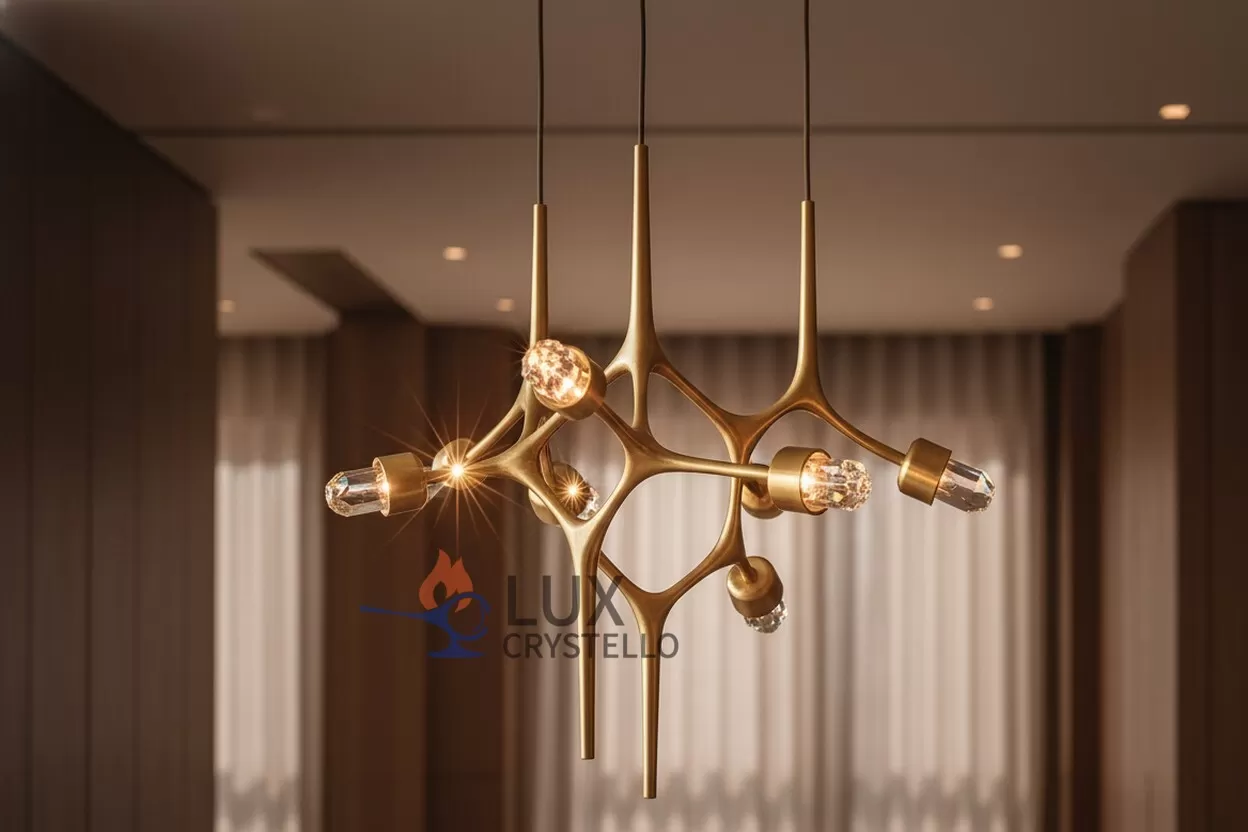
Most “looks cheap” complaints do not come from the silhouette itself. They usually stem from manufacturing discipline—finish control, edge treatment, and how the pendant is engineered for real-world installation. This article takes a practical buying angle, focusing on how to source brass metal pendants that look premium up close, ship reliably, and stay consistent across batches—whether sourced from stock or developed as a custom brass pendant light program.
What Defines a Brass Metal Pendant Light in Commercial Use
A brass metal pendant light uses metal—typically brass or brass-finished alloy—as the primary visible material for the shade and hardware. Compared with glass pendants, metal options reduce breakage risk and simplify logistics. Compared with painted steel, brass tones communicate warmth and perceived value when executed correctly.
From a B2B standpoint, these pendants are often used in multiples. Consistency matters more than novelty. Buyers sourcing from a reliable brass pendant manufacturer usually prioritize repeatable tone, stable dimensions, and predictable assembly over decorative complexity.
How Metal Changes the Light and Why Glare Drives Returns
Unlike fabric or glass, metal does not diffuse light—it reflects it. With a brass metal pendant light, interior finish quality directly affects comfort. A bright or uneven interior surface can cause glare, especially over kitchen islands or counters where people view the fixture from seated angles.
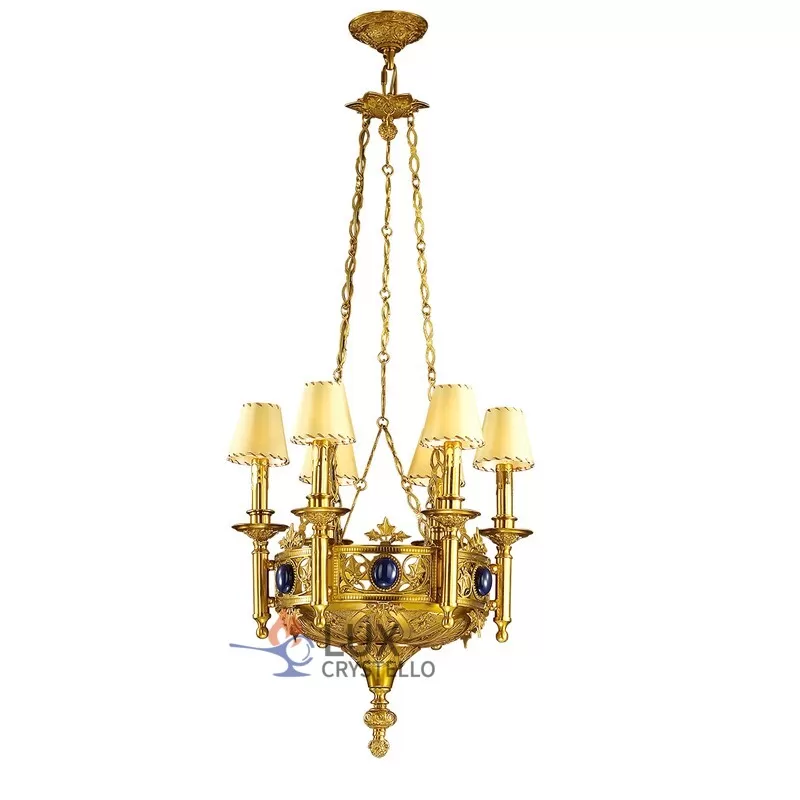
Professional buyers should always request “lamp-on” photos. These images reveal whether the bulb is visible, whether hotspots appear on the counter, and how light behaves from common sightlines. In hospitality environments, glare complaints are frequent because guests naturally look upward while seated.
For OEM development, glare can often be reduced without changing the exterior look. Adjusting shade depth, adding a discreet diffuser, or specifying a softer interior coating are common solutions in a custom brass pendant light program. These choices may not be visually dramatic, but they significantly reduce negative feedback and improve reorder confidence.
Brass Finish Consistency: Edges and Seams Matter Most
On metal pendants, finish quality often fails first at rims, seams, and cut lines. Spun metal shades should have clean, even edges. Welded or multi-part constructions require smooth transitions where parts meet. A pendant can look acceptable from the front but reveal uneven tone once lit from above or viewed from below.
Treat brass tone as a controlled standard, not a marketing label. Satin brass, warm brass, champagne brass, or aged brass can all work, but the key is consistency across the shade, canopy, and hardware. For stock orders, request close-up photos from the current batch. For OEM, approve a reference sample and use it as the match point for all repeat production from the brass pendant manufacturer you select.
Hanging Hardware and Installation Experience
A brass metal pendant light is judged quickly by installers. If the canopy does not sit flush, if the cord twists, or if mounting hardware feels incomplete, those issues travel back through distributors fast. For B2B sourcing, confirm adjustable drop range, cord quality, strain relief design, and hardware completeness before committing.
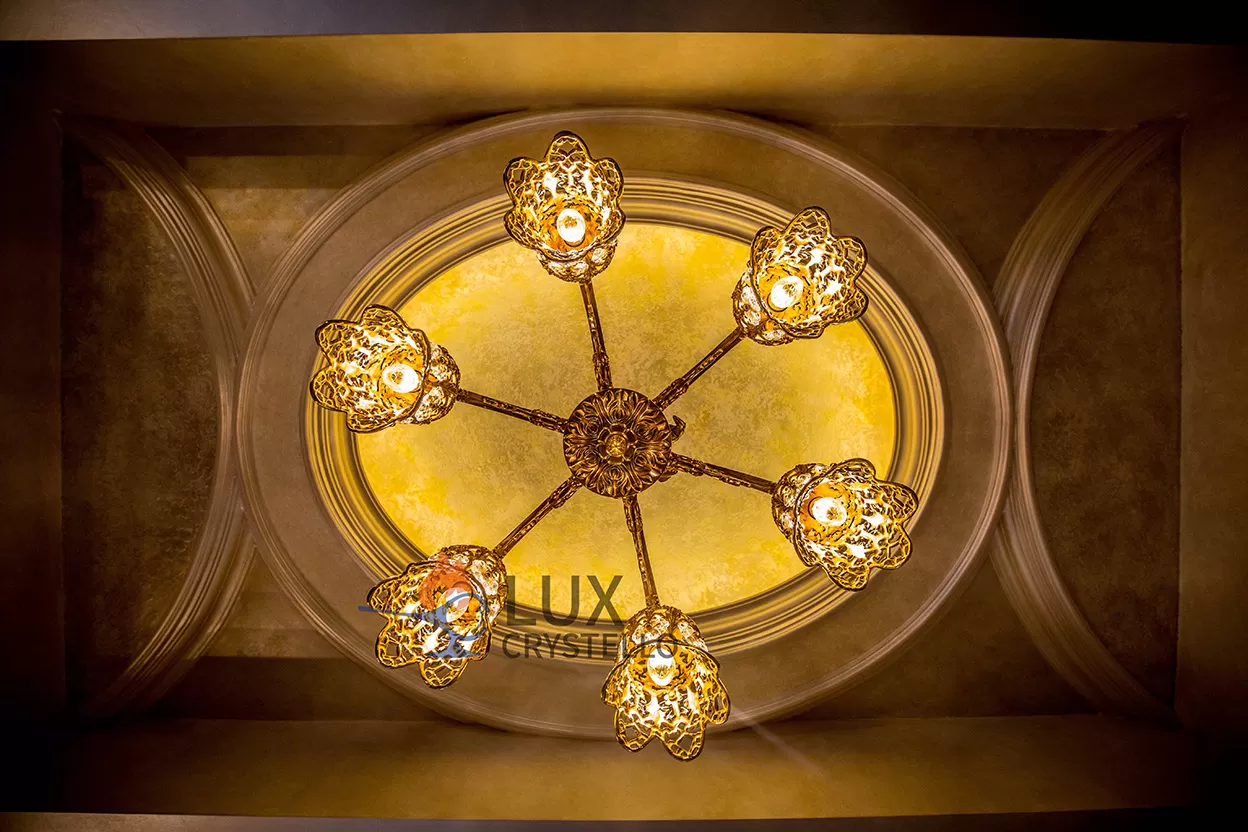
Packaging also plays a role here. Metal shades are prone to dents and rub marks that only become visible under bright light. Ask how the supplier prevents metal-to-metal contact inside the carton and how canopies and hardware are separated. Experienced buyers favor a brass pendant manufacturer that understands installer expectations and designs packaging accordingly.
Stock Supply vs. OEM Programs in Brass Metal Pendants
Many buyers balance speed and control by combining stock models with selective OEM development. Stock brass metal pendant light options support fast-moving retail or short project timelines. OEM programs allow buyers to fine-tune proportions, tone, or interior finish to meet specific specs.
A custom brass pendant light does not require a full redesign. In most cases, size adjustment, tone refinement, or hardware updates are enough to differentiate a program. Working with a capable brass pendant manufacturer helps buyers maintain consistency while scaling across projects or locations.
Conclusion: Consistency Is What Makes Brass Pendants Profitable
A brass metal pendant light is deceptively simple. It either reads clean and premium, or it looks budget the moment it is installed and switched on. B2B buyers reduce risk by managing glare early, locking finish standards, and prioritizing installer-friendly hardware.
Whether sourcing stock for speed or developing a custom brass pendant light for spec-driven projects, successful programs focus on consistency. Consistency is what protects reviews, simplifies reorders, and builds long-term value with a trusted brass pendant manufacturer.
A Practical Next Step for Buyers
If you are sourcing a brass metal pendant light, clarifying your priorities early—comfort, finish control, or delivery speed—helps streamline decisions. For OEM review, a simple 2D or 3D file is usually enough to assess feasibility. For tighter timelines, evaluating current stock with verified batch photos can reduce risk.