
Blogpost keywords: lost-wax brass ornament, lost-wax brass sculpture, hand cast brass ornament
Lost-wax brass ornament products represent a category of decorative objects where material quality and manufacturing methods directly shape long-term value. Compared with lightweight, stamped brass items, ornaments produced through lost wax casting are solid, well-balanced, and rich in surface detail. This makes them particularly attractive to professional buyers supplying premium home décor, curated gift lines, and hospitality styling projects. In premium assortments, a lost-wax brass sculpture or a hand cast brass ornament often signals higher perceived value and stronger gifting appeal.
For B2B buyers, understanding how lost wax casting influences both appearance and durability helps clarify pricing, positioning, and why these brass ornaments often perform better in repeat orders and long-term commercial use.
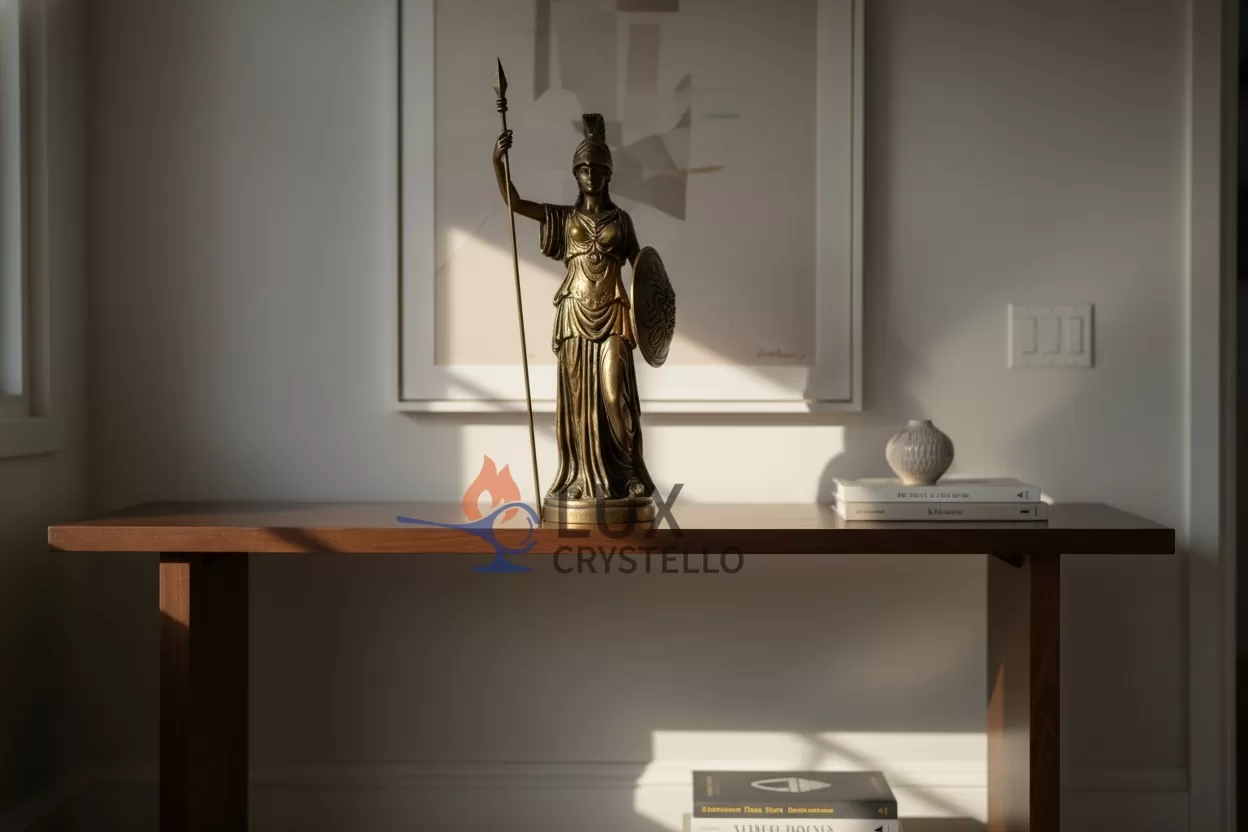
What Defines a Lost-Wax Brass Ornament and How the Casting Process Works
A lost-wax brass ornament is produced using the traditional investment casting technique. The process begins with a wax model that defines the final shape and proportions. This wax form is coated with a ceramic shell, then heated so the wax melts away, leaving a precise cavity. Molten brass is poured into the mold, creating a solid metal ornament once cooled.
Compared with stamped or machined brass objects, a lost-wax brass sculpture is typically cast as a single piece. This reduces seams, weak joints, and visual inconsistencies while preserving fine curves, recessed details, and sculptural depth directly from the original wax model. This is why many buyers treat a lost-wax brass sculpture as the most dependable format for complex contours, and why a hand cast brass ornament is preferred when surface depth matters.
For B2B sourcing, this method balances artisanal character with production control. Each piece retains a handcrafted feel, while molds allow consistent replication across batches—an important advantage for distributors managing repeat SKUs.
Why Lost Wax Casting Adds Lasting Value to Brass Ornaments
One of the clearest benefits of lost wax casting is material presence. A hand cast brass ornament usually has greater weight and density than fabricated alternatives, giving it a stable, premium feel. This added mass improves placement stability, reduces tipping, and enhances perceived quality for end customers.
Detail quality is another strength. Lost wax casting captures subtle textures and sculptural forms that mechanical forming struggles to achieve, making lost-wax brass ornaments well suited for classical, vintage-inspired, and artisanal décor themes. For collections positioned as artisanal décor, repeating a consistent finish across a lost-wax brass sculpture lineup or a hand cast brass ornament series helps protect brand cohesion.
Surface finishing also performs more consistently on cast brass. Antique, brushed, or patinated finishes adhere evenly, helping buyers maintain finish consistency across multiple production runs.
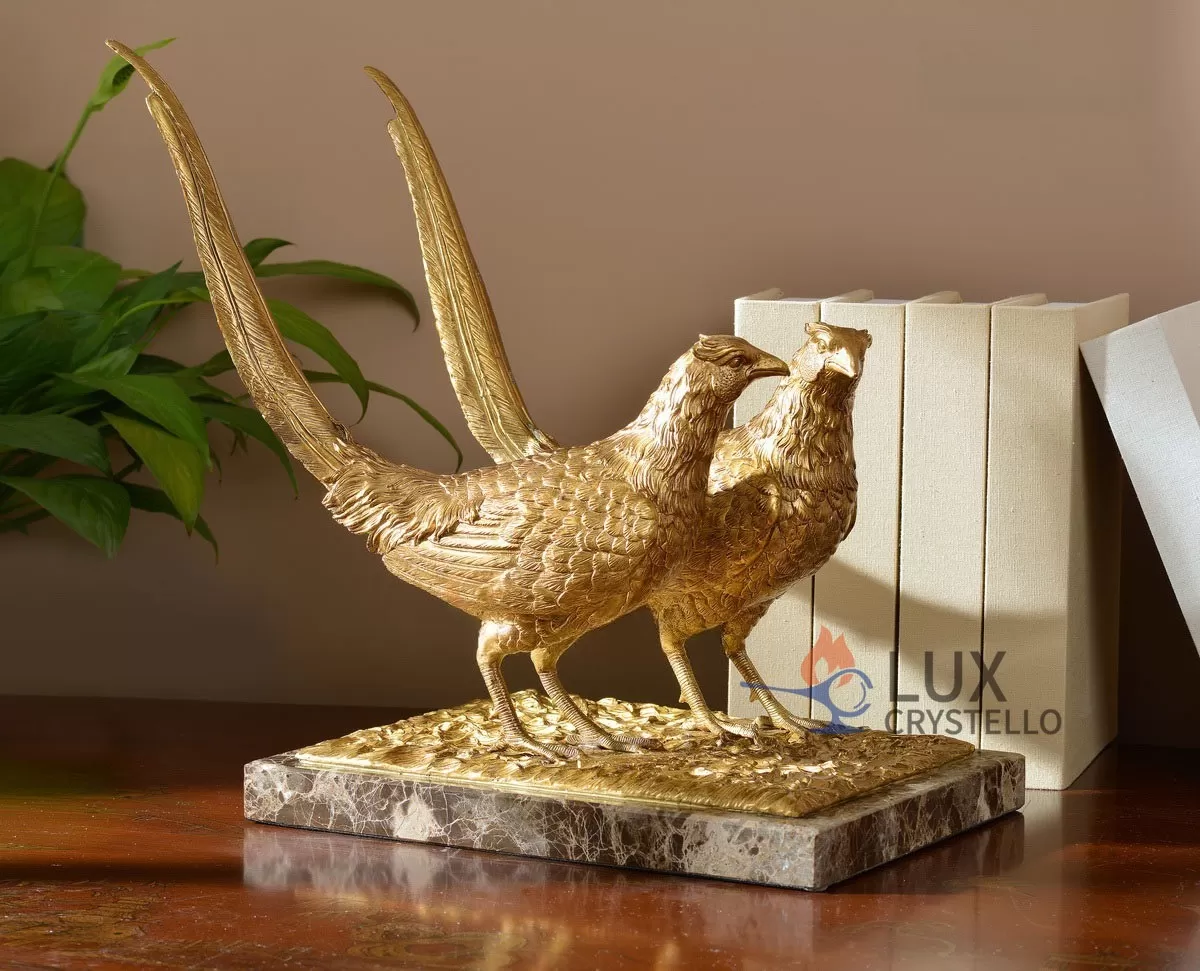
Commercial Uses of Lost-Wax Brass Ornaments in Décor and Gift Markets
In commercial environments, a lost-wax brass ornament is typically used as a visual accent rather than a functional object. Hotels place them on reception desks, shelves, and side tables to reinforce a sense of craftsmanship and permanence. Interior designers use them in residential projects to introduce warmth and texture without overwhelming a space.
In retail, lost-wax brass ornaments perform well in premium decorative brass object collections and curated gift assortments. Their weight and surface finish make them suitable for year-round displays as well as seasonal gifting. Many buyers also bundle them into themed décor sets or tabletop styling collections.
Because cast brass is durable, these ornaments tolerate repeated handling better than thin metal décor, supporting use in both retail and hospitality environments.
FAQ About Lost-Wax Brass Ornament
Q1: How does lost wax casting differ from stamped or machined brass ornaments?
Lost wax casting creates solid brass pieces from a mold, while stamped or machined items use thinner material and multiple joins.
Q2: What material and weight factors indicate good quality?
Balanced weight distribution, consistent wall thickness, and a solid base usually signal better stability and durability.
Q3: Are lost-wax brass ornaments suitable for retail and hospitality settings?
Yes. Their weight and structural integrity make them appropriate for display in hotels, stores, and public interiors.
Q4: What are typical MOQ and customization options for B2B buyers?
MOQ varies by supplier. Customization often includes size, surface finish, texture, and minor design adjustments.
Q5: What should buyers consider for packaging and shipping?
Protective wrapping, foam inserts, and anti-scratch materials help preserve finishes during export and storage.
A Practical Perspective on Selecting Lost-Wax Brass Ornaments
A lost-wax brass ornament is more than a decorative accessory—it reflects a material-driven approach to design and production. For B2B buyers, understanding the casting process explains differences in price, durability, and finish quality compared with lighter alternatives.
By aligning design intent, usage context, and supplier capability, professional buyers can confidently integrate lost-wax brass ornaments into collections that emphasize craftsmanship and lasting value.
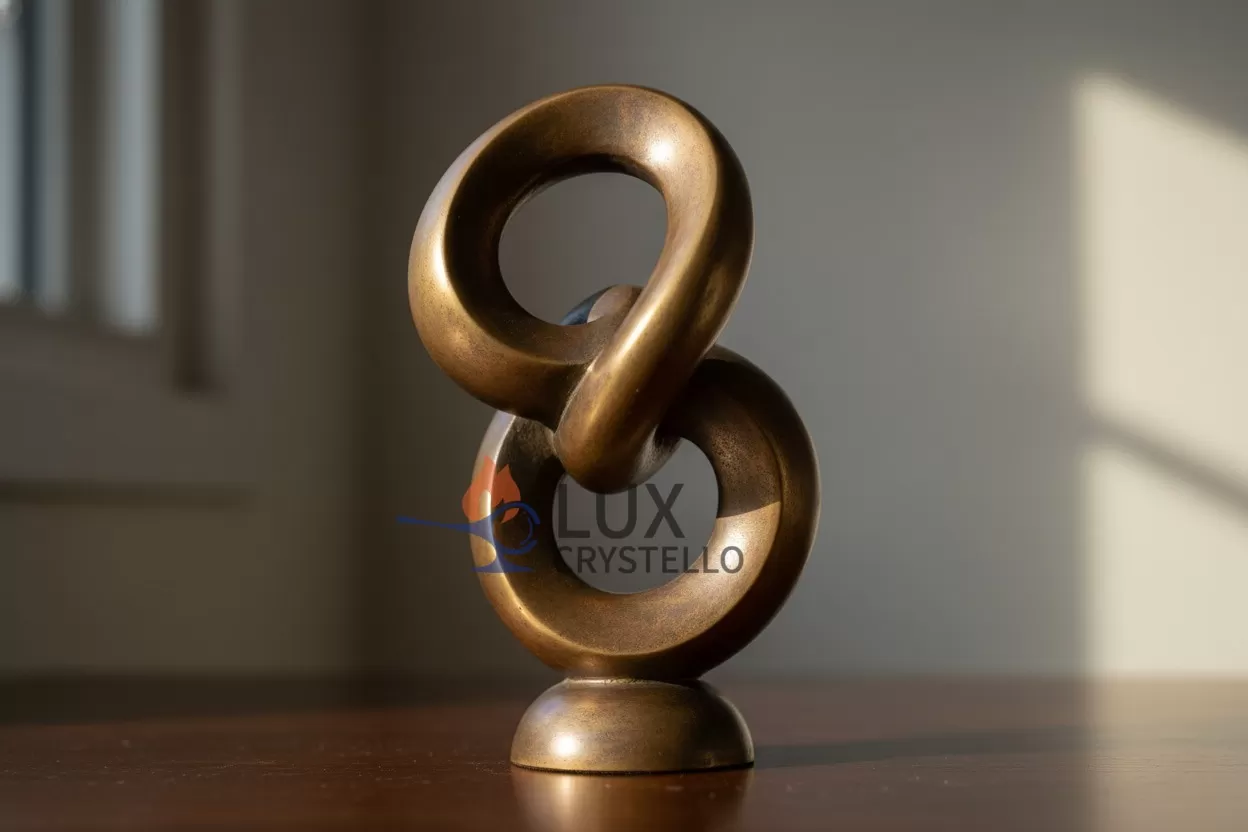
Supporting Curated Decorative Collections
When developing a range that includes a lost-wax brass ornament, many buyers prioritize manufacturing partners who understand both traditional casting and modern B2B requirements. A reliable supplier relationship helps streamline customization, quality control, and repeat ordering for premium décor collections.