
Blogpost keywords: brass lamp pendant, antique brass pendant light, brass pendant lighting wholesale
Sourcing a brass lamp pendant isn’t just about choosing a “gold” tone. It’s about deciding how that finish will look after shipping, handling, and installation—and then ensuring the next batch matches the first. Brass is popular because it feels warm and premium, but it also reveals inconsistencies faster than matte finishes. For B2B buyers and distributors, the biggest risks are often subtle: a slight color shift, uneven sheen, loose canopy fit, or packaging that allows parts to rub in transit.
This checklist-style guide takes a factory-facing view of how to evaluate brass pendants so your catalog stays stable and brass pendant lighting wholesale reorders remain predictable.

Brass Lamp Pendant Finish Styles That Sell Without Driving Returns
Brass works across residential and commercial channels because it pairs easily with wood, stone, and black metal. In many projects, an antique brass pendant light is selected not because it looks “more luxurious,” but because it is more forgiving in daily handling—fingerprints and minor marks are less visible than on brighter or high-polished finishes.
For distributors running brass pendant lighting wholesale programs, brass also offers evergreen value. Even as shapes evolve, a well-controlled brass finish remains relevant. The key is consistency: lock one finish direction and build a small family of pendant shapes around it, rather than shifting brass tones every season and complicating reorders.
The “Brass Look“ Is a Construction Decision
In real production, “brass” often refers to a surface finish applied over a stable base metal rather than a fully solid-brass body. This approach can be practical for cost control and long-term repeatability—especially when your brass pendant lighting wholesale assortment must stay consistent across multiple production runs.
What matters is clarity. Buyers should understand which components are structural, how the lampholder is fixed, and whether the canopy and mounting bracket are designed to sit flat on imperfect ceilings. If you position an antique brass pendant light as a premium option, confirm that key touchpoints—such as the canopy and visible hardware—feel solid and aligned with that quality story, rather than thin or lightweight.
Finish Control: Color, Sheen, and Protection
Brass finish quality follows a simple reality: it’s a recipe. Preparation, coating or plating, and sealing all affect the final tone. Change the prep, and color shifts. Apply inconsistent sealing, and wear appears early.
For any brass lamp pendant, always approve a physical “golden sample” and define how it is inspected—under the same lighting temperature, from the same viewing angle, with clear expectations for sheen. This step is especially important for antique brass pendant light programs, where “warm” tones can drift toward green if process control slips. Protection also needs balance: too little risks tarnish, while too much can make the metal appear overly coated or plastic-like.
Hardware Details That Protect Your Reputation
Most complaints don’t come from the shade shape—they come from overlooked hardware. For every brass lamp pendant, standardize checks on canopy fit (no rocking), cord grip and strain relief (no slipping), thread quality, and bracket strength.
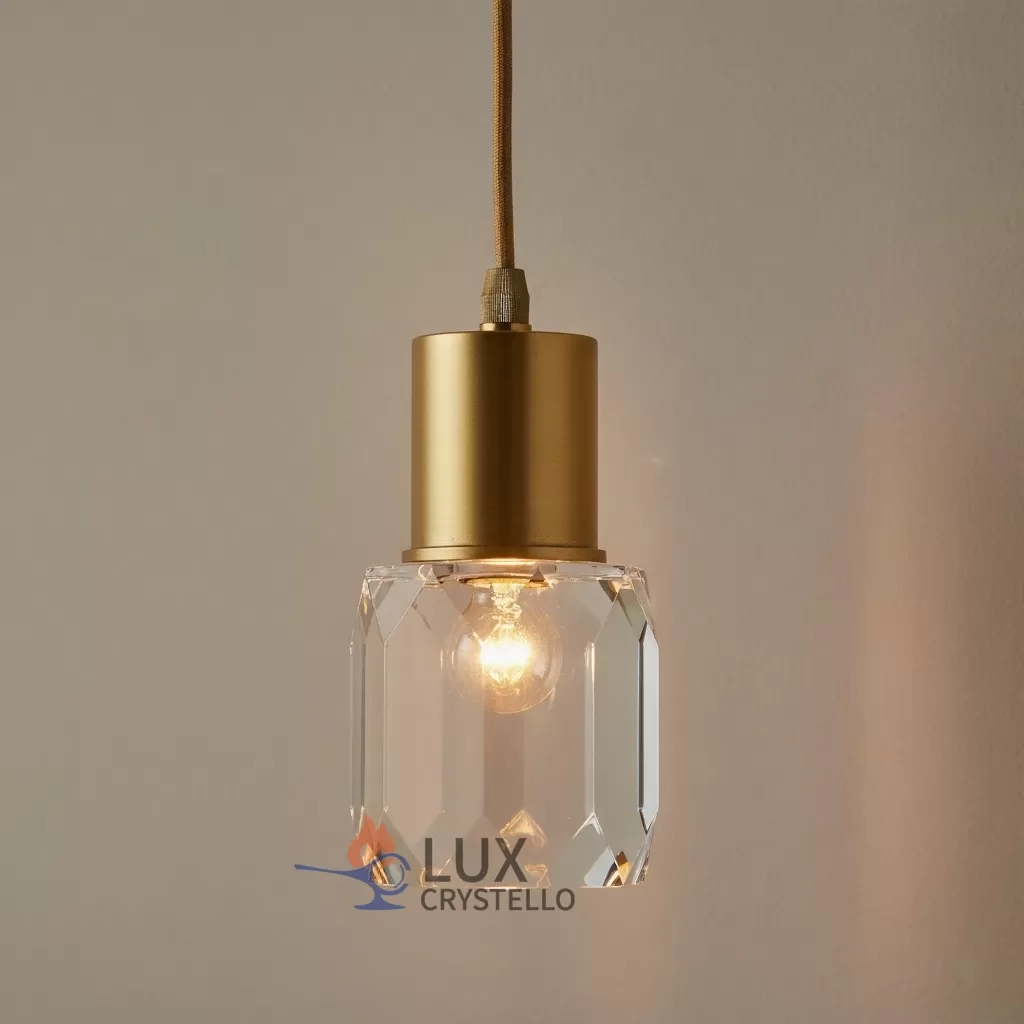
If glass components are involved, inspect edge finishing and seating carefully. Small chips often turn into large claims once products move through shipping and installation. For brass pendant lighting wholesale orders, it’s reasonable to confirm general readiness around common safety concepts such as CE/UL-aligned components and proper grounding or earthing—without promising certifications you don’t control. These basics reduce installer friction and build distributor confidence.
Packaging and Scaling Without SKU Chaos
Brass surfaces dislike friction. When parts touch during transport, micro-scratches can appear before the carton is even opened. Confirm individual wrapping, foam separation, and stable dividers, then keep those packing notes unchanged for reorders.
This discipline matters most for brighter finishes; an antique brass pendant light is slightly more forgiving, but still shouldn’t rub in transit. From a scaling perspective, smart OEM planning helps: one brass lamp pendant platform with optional glass shapes, cord lengths, and canopy variations allows you to expand assortments without filling warehouses with one-off SKUs. That approach also simplifies reorders and spare-part management.
FAQ About Brass Lamp Pendant
Q1: Does a brass lamp pendant have to be solid brass?
No. Many models use a stable base metal with a brass finish. What matters is clear structure, controlled finishing, and consistent workmanship across batches.
Q2: Why do many projects prefer antique brass?
An antique brass pendant light tends to hide fingerprints and minor handling marks better, making it a forgiving choice for hospitality, retail, and multi-unit installs.
Q3: How can I reduce batch-to-batch color differences in bulk orders?
Lock a golden sample, define the inspection light and angle, and require pre-shipment finish checks. This is essential for brass pendant lighting wholesale continuity.
Q4: What should I confirm about MOQ, OEM, and lead time?
MOQ often varies by finish and components. Keep OEM efficient by customizing modular elements—such as shade, cord length, and packaging—and confirming sampling and approval steps before production.
Q5: What safety risks should buyers watch for?
Prioritize secure mounting, proper strain relief, wiring quality, and grounding or earthing where required. Align any CE/UL-related claims with actual supplier documentation.
Conclusion
A brass lamp pendant earns repeat orders when the fundamentals stay steady: the finish matches the approved sample, the hardware installs cleanly, and packaging protects surfaces during transit. For buyers sourcing at scale, stability matters more than novelty.
You can approach your next program through OEM customization—adjusting finish, size, components, or branded packaging—or select in-stock styles for immediate ordering. Share your drawings, spec sheet, and packing expectations, and align on an approval sample first. Keeping production and packaging notes consistent is what ultimately keeps reorders smooth and predictable.