
Blogpost keywords: brass ceiling light, brass ceiling light manufacturer, custom brass ceiling light
A brass ceiling light is a practical way to give interiors a warmer, more complete look without relying on decorative excess. It is commonly used in residential developments, boutique hotels, restaurants, and curated retail lighting collections—especially where buyers want a premium feel that remains understated.
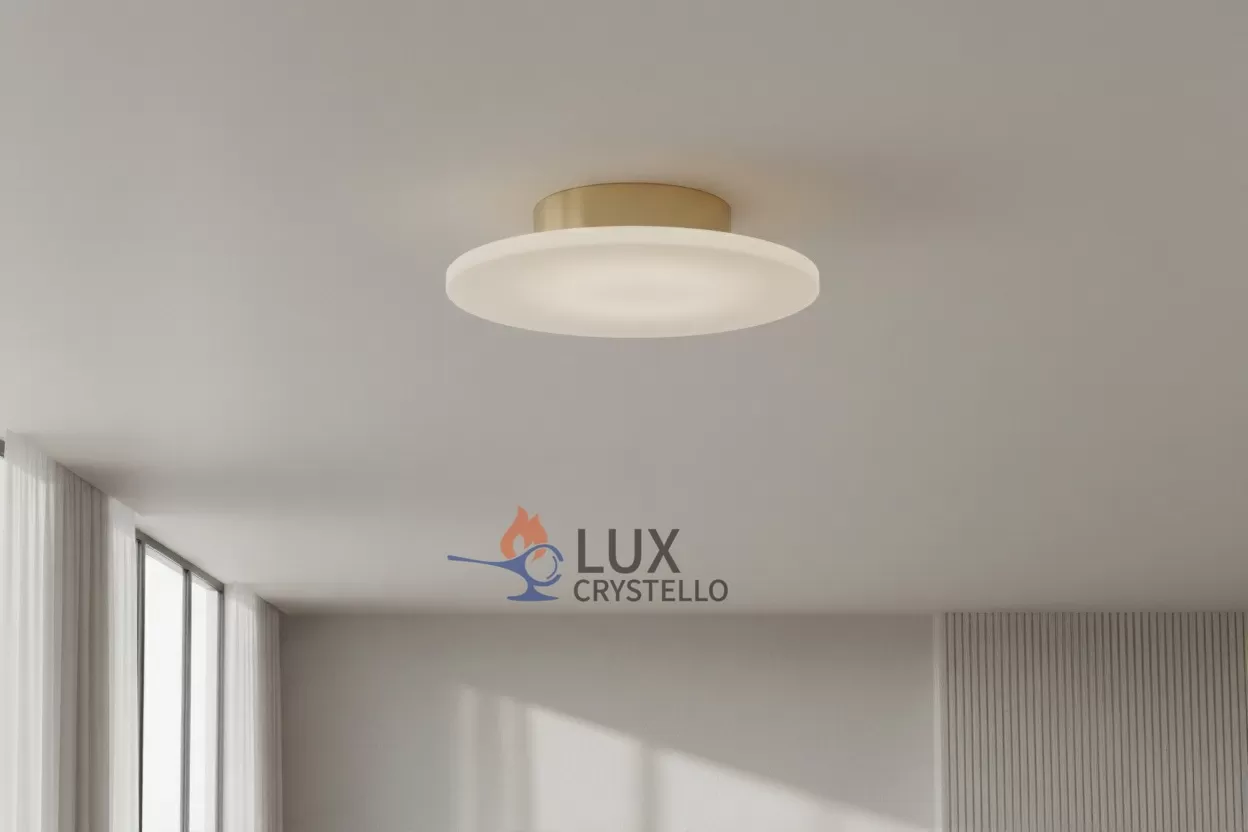
Brass Ceiling Light OEM Sourcing Risks: What B2B Buyers Must Control
For B2B sourcing, ceiling lighting is less forgiving than decorative accessories. Small inconsistencies in finish tone, wiring layout, or mounting alignment can quickly lead to installation delays and returns. In OEM programs, consistency matters more than novelty. Every shipment should match the approved sample and install smoothly across multiple projects. This guide focuses on what to specify, what to test, and how to reduce risk when working with a brass ceiling light manufacturer.
1) Lock the Engineering First: Structure, Mounting, and Heat Management
Before finalizing surface finishes, the engineering basics of a brass ceiling light should be clearly defined. Fixtures may be made from solid brass, brass-plated steel, or mixed metals with a brass-toned finish. Each option affects weight, rigidity, and long-term stability.
Heavier designs require reinforced mounting brackets and careful load distribution at the canopy. Buyers should confirm net weight ranges, canopy dimensions, and bracket structure early, particularly for flush mount ceiling light formats used in hospitality and residential projects.
Heat management is another practical factor. Most modern ceiling fixtures are designed for LED use, but buyers should still confirm bulb base type, recommended wattage range, and general thermal behavior. If glass components are involved, thickness, edge finishing, and seating tolerance should be reviewed; if acrylic is used, resistance to warping or yellowing under normal operating conditions should be discussed. General safety topics such as grounding and wiring integrity can be referenced without claiming certification unless documentation is available.
2) Finish Control: Preventing Brass Tone Drift Across Batches
In lighting production, “brass” refers to a finish process rather than a single color. Variations such as satin, antique, champagne, or aged brass all behave differently under light. The main risk for B2B buyers is batch inconsistency—minor shifts in hue, sheen, or brushing direction that become obvious when multiple fixtures are installed together.
Finish should be treated as a controlled specification. Approve a reference sample and require each production run from the brass ceiling light manufacturer to match it. QC photos should be taken under both warm and neutral lighting, as brass surfaces react strongly to color temperature. When a custom brass ceiling light includes multiple metal components, those parts should be finished together or matched to the same reference to avoid a mismatched appearance.
3) Light Performance and Visual Quality: Sample Checks That Matter
Beyond appearance, lighting performance determines whether a ceiling fixture works in real spaces. Buyers should review lit photos and short videos to assess glare, hotspots, and shadow patterns—especially for open-frame or perforated designs.
Material inspection remains essential. Glass components should be checked for clarity, bubbles, and fit tolerance, while fabric shades should show straight seams and even diffusion. Alignment is equally important: canopies should sit flush, arms should be symmetrical, and sockets should remain straight after assembly. Reliable brass ceiling light manufacturers typically include functional QC steps such as assembly checks, alignment verification, and wiring continuity testing before packing.
4) Packaging and Bulk Logistics: Avoiding Damage and Missing Parts
Returns in ceiling lighting programs often result from transit damage or incomplete hardware. Packaging should protect finished surfaces and prevent internal movement. Foam padding for metal parts, separate compartments for mounting hardware, and protective sleeves help preserve appearance during shipping.
Glass elements require internal supports and reinforced cartons. Buyers should request pack-out photos before shipment to confirm correct hardware counts and documentation. Including small spare-hardware bags can prevent jobsite delays when installers misplace screws. For mixed shipments, clear cardboard labeling reduces warehouse handling errors across different ceiling lighting fixture SKUs.
Conclusion
A brass ceiling light performs best in B2B programs when it installs easily, maintains finish consistency across batches, and remains reliable over repeat orders. Locking engineering details early, controlling brass finish specifications, and applying functional QC beyond surface appearance all help reduce downstream risk. For OEM buyers, these fundamentals matter more than decorative complexity.
OEM Brass Ceiling Light Production with Defined Specifications
We focus exclusively on OEM production for brass ceiling light projects made to order. If you are developing a custom brass ceiling light, share your drawings or reference images, target dimensions, preferred brass finish, and installation requirements. We’ll review structure feasibility, confirm sampling steps and MOQ, and align QC and packaging standards so fixtures arrive installation-ready and remain consistent on reorders.