
Blogpost keywords: french provincial table lampshade, vintage style lampshades, rustic table lighting
A french provincial table lampshade is valued in commercial interior programs for its classic European charm and practical versatility across hotels, furniture retailers, and premium home décor distributors. The right french provincial table lampshade can elevate a space with natural textures, warm neutrals, and an inviting ambience that aligns with demand for comfort-led styling. Many buyers also cross-shop vintage style lampshades and rustic table lighting within the same assortment to widen project flexibility while keeping a coherent story.
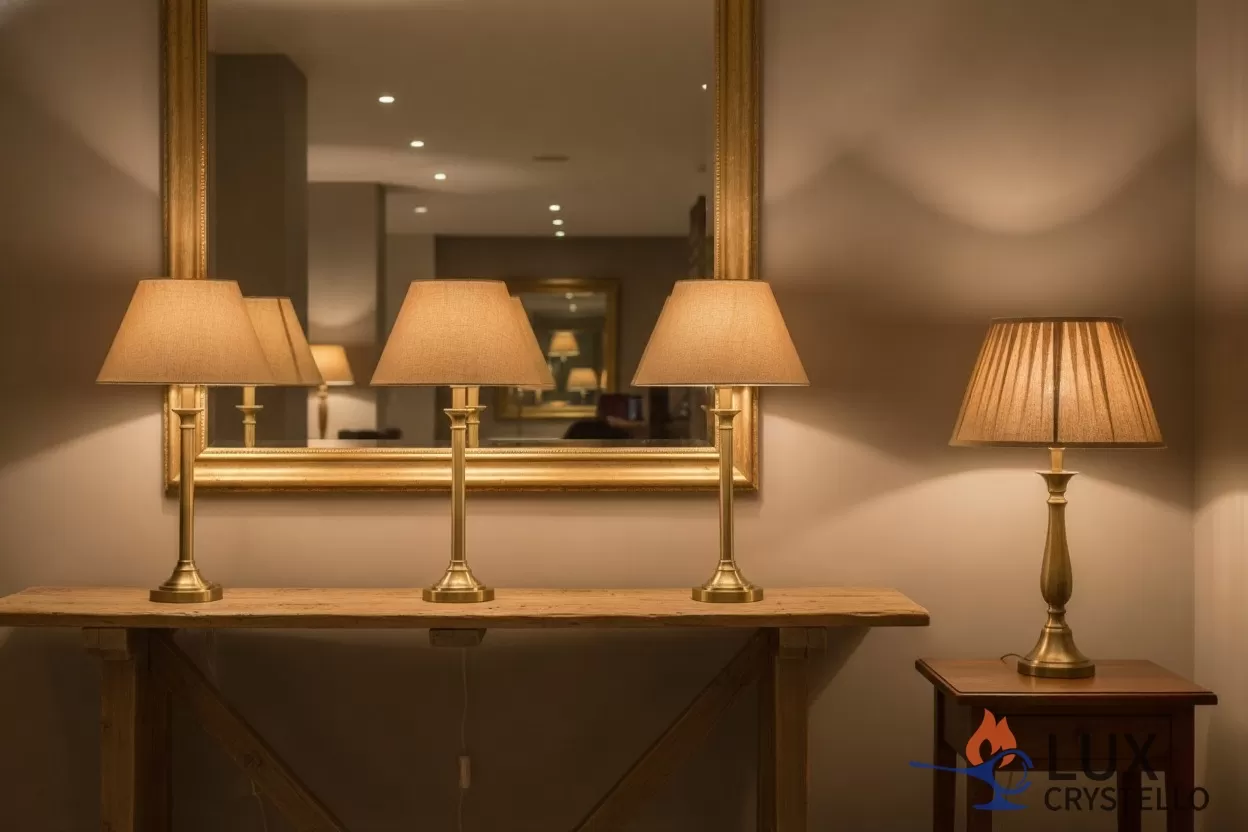
This guide provides a structured sourcing perspective—from production details and quality control to logistics, customization, and trend use cases—so buyers can reduce risk and improve reorder stability when scaling a french provincial table lampshade program.
French Provincial Table Lampshade Design Identity and Market Appeal
French provincial design emphasizes soft silhouettes, countryside warmth, and “hand-finished” character rather than sharp modern geometry. For a french provincial table lampshade, common visual signals include linen-like fabric texture, subtle trim work, and muted palettes that pair easily with wood furniture and soft textiles. This makes it suitable for hotel bedside lighting, boutique showrooms, lifestyle stores, and home staging.
From a merchandising standpoint, mixing a french provincial table lampshade story with vintage style lampshades can help retailers offer layered looks (more classic, more aged, more romantic), while pairing with rustic table lighting supports farmhouse and natural-material displays. This approach increases category coverage without forcing buyers to jump across unrelated aesthetics.
Craftsmanship and Material Choices Buyers Should Verify
For large procurement, buyers benefit from checking details that affect repeatability more than surface appeal. A premium french provincial table lampshade program typically involves:
-Fabric shades in linen or cotton blends for natural diffusion and stable appearance
-Stable internal metal frames to protect shape through storage and installation
-Consistent edge finishing and trim alignment to avoid visible defects under light
-Components aligned with target-market expectations (for example, region-specific electrical requirements and documentation)
Sampling should focus on what causes returns: fabric density, color consistency, shade symmetry, and visible finishing lines. If a collection also includes vintage style lampshades, confirm how “intentional variation” is controlled so the look stays consistent rather than random. If your assortment leans into rustic table lighting, verify that distressed finishes are repeatable batch to batch and do not increase defect disputes.
Customization and OEM Options for Differentiation
Customization is a strategic lever when buyers want exclusivity or private-label differentiation. For a french provincial table lampshade program, common OEM options include:
-
Shade shape adjustments (drum, empire, square, bell)
-
Base finish direction (distressed white, brushed metallic, natural wood tones)
-
Fabric swaps and trim upgrades (piping, tape, pleat variations)
-
Neutral packaging or brand-ready pack-outs
-
MOQ flexibility based on material and tooling complexity
-
Pre-production samples for visual sign-off and reference control
If your broader line includes rustic table lighting and vintage style lampshades, treat OEM as a consistency tool, not just a styling tool: lock fabric codes, lining opacity, trim widths, and finish references early to protect future reorders.

Packaging and Global Shipping Risk Controls
Packaging is a frequent failure point for lampshades because deformation and abrasion can occur long before final delivery. Buyers sourcing a french provincial table lampshade should request packaging specifications that reflect real logistics conditions:
-Reinforced cartons (often double-wall) sized to prevent movement
-Foam or internal supports that protect rims and reduce crushing
-Separators to prevent rubbing between parts
-Pack-out photos as part of pre-shipment QC
-Carton markings and palletization standards when required by the route
For programs that also include vintage style lampshades (more delicate finishes) or rustic table lighting (heavier bases), packaging design should be tested against stacking pressure and drop risk. If regional compliance is part of your buying criteria, confirm documentation and component sourcing early so shipping and customs processes remain predictable.
Market Trends and Application Scenarios
Lifestyle-driven merchandising continues to influence lighting demand. A french provincial table lampshade performs strongly in:
-
Boutique hotels and hospitality projects
-
Furniture chains and curated home décor collections
-
Short-term rental styling and serviced apartments
-
Seasonal gifting campaigns and bundle programs
-
Renovation, staging, and set-design businesses
Retail performance often comes from emotional value: customers purchase lighting as a finishing element that completes a room narrative. Collections that combine a french provincial table lampshade anchor with rustic table lighting accents and selected vintage style lampshades can create stronger “story coherence” in displays, improving conversion and reducing assortment churn.
FAQ: French Provincial Table Lampshade Sourcing Considerations
Q1: How do buyers judge whether a french provincial table lampshade is truly reorder-stable?
Reorder stability depends less on appearance and more on process control. Buyers should check whether fabric codes, lining specifications, frame dimensions, and trim details are documented and repeatable. A french provincial table lampshade that looks consistent across samples but lacks clear specs often becomes inconsistent at scale.
Q2: What quality issues most often lead to returns in this category?
Common issues include uneven fabric tension, distorted rims after shipping, color drift between batches, and visible trim misalignment once the lamp is lit. These risks increase when vintage style lampshades are produced without controlled variation standards.
Q3: How should buyers evaluate samples beyond visual appeal?
Samples should be reviewed under light, not just in ambient conditions. Buyers should assess diffusion, seam visibility, frame shadowing, and overall balance. For programs that also include rustic table lighting, checking weight distribution and stability helps avoid complaints in real-use environments.
Conclusion
A well-positioned french provincial table lampshade delivers commercial value through timeless styling, reorder-friendly construction, and broad application across retail and hospitality. For B2B procurement teams, the priority is supplier process discipline: stable QC, packaging that protects shape in transit, and OEM controls that keep variation intentional rather than inconsistent. These foundations also support cleaner expansion into rustic table lighting assortments and vintage style lampshades selections without breaking collection coherence.

Start with a Clear French Provincial Table Lampshade Brief
If you are sourcing a french provincial table lampshade for retail or hospitality use, defining requirements early helps avoid rework later. Clarify fabric choice, lining opacity, trim details, packaging standards, and acceptable tolerances before sampling.
Suppliers who document specifications, support OEM development, and protect products through shipping make it easier to scale collections—whether you are extending into vintage style lampshades or adding complementary rustic table lighting to your assortment.