
Blogpost keywords: french provincial lampshades, french lampshade manufacturer, custom provincial lampshades
French provincial lampshades are valued in commercial interiors for their quiet elegance and broad styling compatibility. Soft silhouettes, muted linen tones, and restrained detailing make them suitable for bedrooms, living spaces, and boutique hospitality environments.
For B2B buyers, however, visual appeal alone is not enough. The real challenge lies in consistency. When fabric color, shape symmetry, or light diffusion varies between production batches, product returns and brand risk increase quickly. Understanding how french provincial lampshades are constructed—and how a french lampshade manufacturer controls repeatability—helps buyers make safer sourcing decisions.
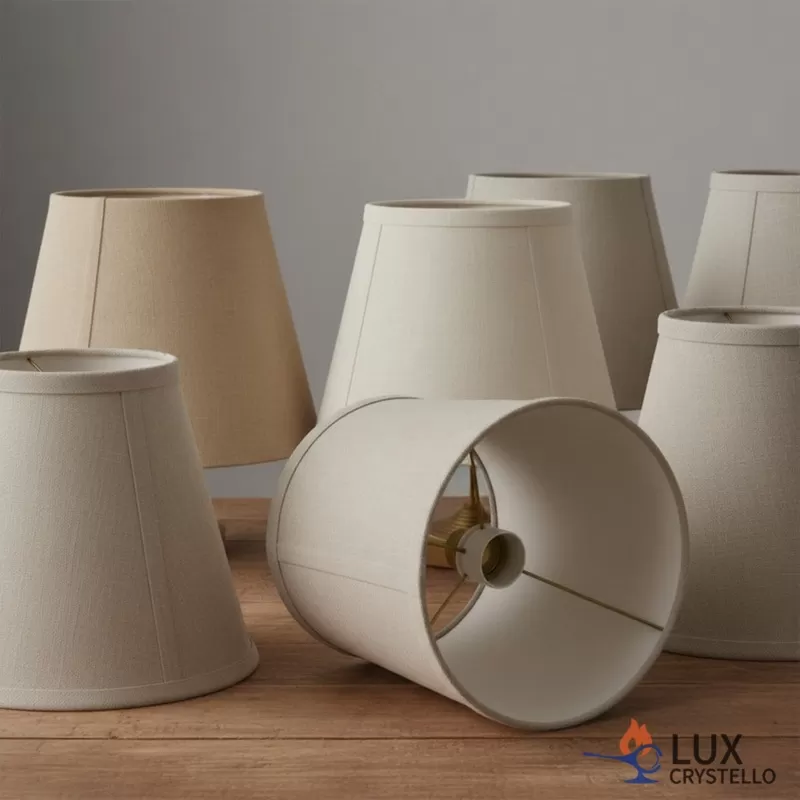
What Defines Authentic French Provincial Lampshades
Authentic french provincial lampshades favor restraint over decoration. Common profiles include empire, tapered, and softly flared shapes, usually finished in neutral or linen-inspired fabrics. These forms complement traditional and farmhouse-style lamp bases without dominating the room.
Authenticity also depends on build quality. Even small defects—uneven seams, visible adhesive, misaligned trim—become obvious once the lamp is lit. Because provincial design relies on subtle textures rather than bold contrast, inconsistencies are easier to spot. A reliable french lampshade manufacturer should be able to explain how seam placement, fabric tension, and fitter alignment are controlled across an entire production run, not just on a single sample.
Materials and Light Diffusion: Practical Fabric Choices
Fabric selection affects both appearance and performance. Linen and linen-look weaves introduce organic texture and a warm glow. Cotton blends often deliver more uniform diffusion, while slub fabrics add character without visual noise. Small-scale patterns or muted florals can support a provincial aesthetic when used sparingly.
Lining is equally important. A stable lining minimizes hotspots, conceals frame shadows, and supports long-term shape retention. For hospitality projects or repeat retail programs, lining consistency ensures visual continuity across rooms and listings. When developing custom provincial lampshades, locking both outer fabric and lining specifications early helps future reorders match the original light output and opacity.
Construction and Finishing Standards That Matter
The frame forms the structural core of a lampshade. Welded, powder-coated metal frames typically resist deformation better during storage and export transit. Beyond the frame, quality shows in straight seams, clean fabric wraps, and precise edge finishing.
Details matter. Trims should align cleanly at the seam, pleats should be evenly spaced, and the shade should sit level on the fitter. Custom provincial lampshades allow for distinctive proportions or trims, but only when manufacturing tolerances are clearly defined. An experienced french lampshade manufacturer will measure height variance, rim symmetry, and seam position, and compare multiple units side by side before packing.
How B2B Buyers Can Assess Supplier Reliability
Approving a program based on a single “hero sample” is risky. Request images or inspection records showing multiple units from the same batch. Compare fabric tone, trim alignment, and overall symmetry.
Packaging standards are equally important. Proper rim supports, separators, and reinforced cartons reduce transit damage. For custom provincial lampshades, a clear workflow—reference sample approval, in-process quality checks, and pre-shipment inspection—helps prevent disputes and ensures both parties share the same expectations. A dependable french lampshade manufacturer will already be familiar with this process.
FAQs About French Provincial Lampshades
Q1: Where do french provincial lampshades perform best in commercial projects?
Bedrooms, guest rooms, and boutique hospitality spaces where soft ambient lighting and texture-driven décor are priorities.
Q2: Which shade shapes best suit a provincial aesthetic?
Empire and tapered shapes feel classic, while lightly flared profiles create a more relaxed look. Proportion should match the lamp base and furniture scale.
Q3: What maintenance guidance should retailers provide?
Dust with a soft brush or microfiber cloth. Spot-clean gently with minimal moisture. Avoid soaking, scrubbing, or harsh cleaners.
Q4: Are there safety considerations for communicating to end users?
Use appropriate bulb wattage, prevent heat buildup, and ensure the shade is securely seated on the fitter.
Q5: When does customization make sense?
Custom provincial lampshades are appropriate when exclusive trims, specific dimensions, or a signature fabric story are required across a product range.
Conclusion
For B2B programs, french provincial lampshades succeed when craftsmanship supports the aesthetic. Stable frames, controlled materials, precise finishing, and protective packaging all contribute to reorder-safe consistency. Partnering with a french lampshade manufacturer that documents specifications and maintains process discipline is especially critical for custom provincial lampshades produced at scale.
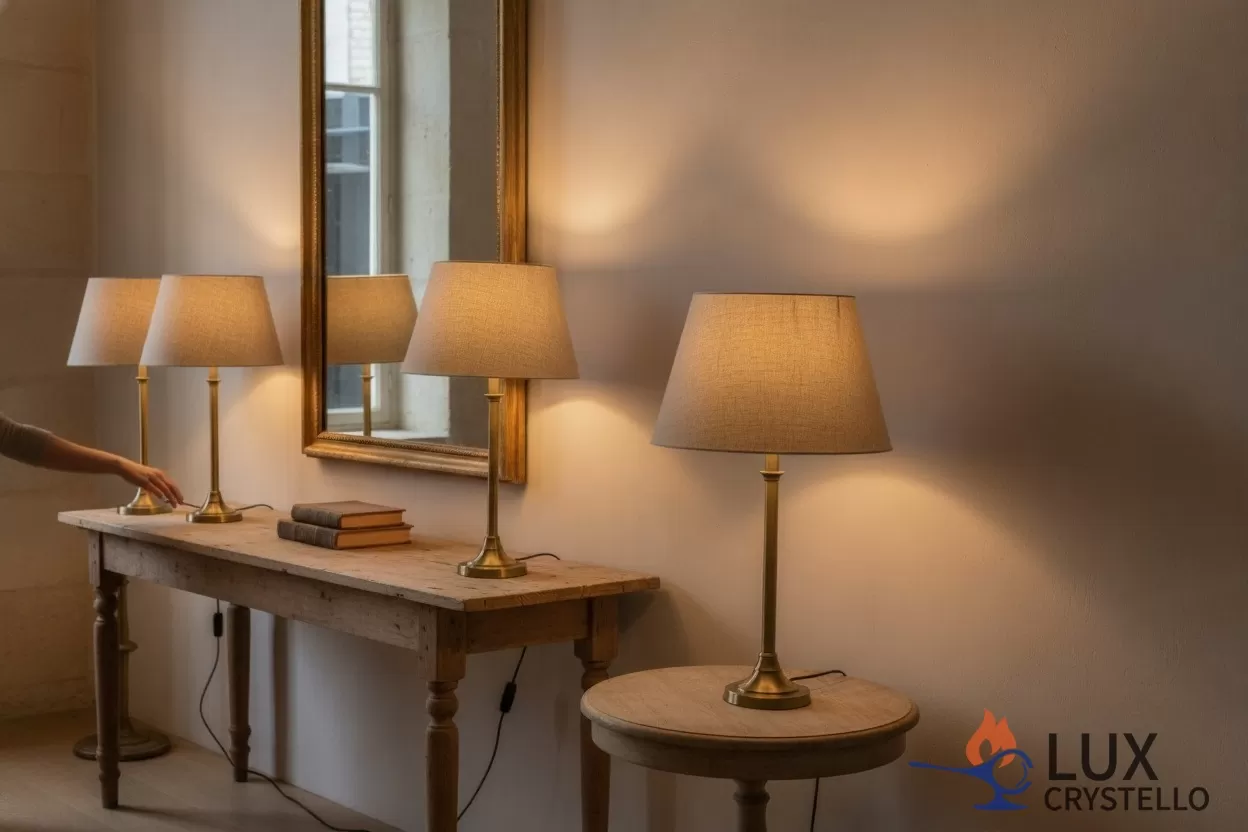
Planning Your Next Provincial Collection?
By defining shape, fabric direction, and packaging standards upfront, buyers can work with the right french lampshade manufacturer to develop custom provincial lampshades that remain consistent across seasons and shipments.