
Blogpost keywords: french provincial lamps, french provincial lighting, vintage style table lamps
French provincial lamps blend soft European romance with refined craftsmanship, making them a reliable category in the global lighting and home décor market. Their warm tones, sculpted bases, and classic silhouettes allow them to fit gracefully into both traditional and modern interiors. For B2B buyers—from wholesalers and distributors to hospitality project teams—french provincial lamps offer a strong commercial value because they support diversified style collections, premium aesthetic appeal, and highly flexible product configurations suitable for different markets.
Whether placed in boutique hotels, model homes, or retail décor displays, these lamps help create an atmosphere that feels warm, charming, and sophisticated, while also maintaining practical lighting performance. In today‘s lifestyle-driven consumer markets, distinctive design and stable manufacturing quality can significantly enhance product competitiveness.
What Are French Provincial Lamps?
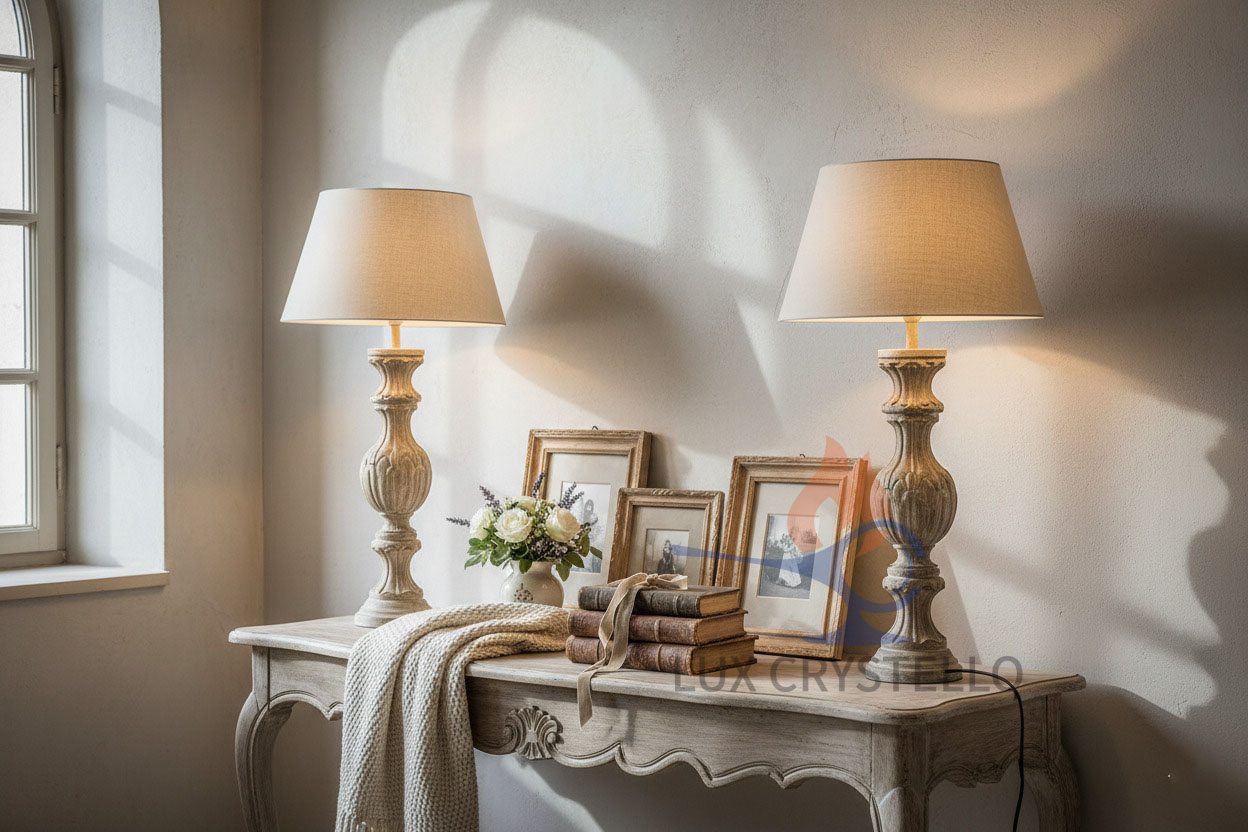
French provincial lamps draw inspiration from the rural regions of southern France, combining rustic textures with elegant curves and ornate detailing. They frequently feature carved wood or metal bases, soft linen or pleated fabric lampshades, and muted color palettes such as cream, beige, distressed white, and antique gold. These visual elements allow the lighting to retain a luxurious tone without appearing overly formal.
In terms of structure, many french provincial lamps lean on traditional craftsmanship, including hand-finishing techniques, antique-style patina, and water-based aging textures. This artisan approach differentiates them from overly industrialized products, making each piece feel visually rich and expressive.
For buyers in home décor lighting, vintage style table lamps with a provincial aesthetic offer a recognizable category that aligns well with market trends toward nostalgic and emotionally comforting interior spaces. Their compatibility with classic interior design styles—such as farmhouse, shabby chic, traditional European, cottagecore, and boutique luxury—makes them a dependable product segment for consistent B2B sales.
Key Benefits of Choosing French Provincial Lamps for Residential & Commercial Spaces
One of the primary advantages of french provincial lamps lies in their versatility. They function equally well as practical light sources and decorative statement pieces. For retail buyers, they help enhance display scenes and raise perceived product value; for hospitality projects, they improve ambiance and brand identity at a relatively low design cost.
From a functional perspective, these lamps typically use soft, diffused home decor lighting that contributes to visual comfort—ideal for bedrooms, lounges, reception spaces, and reading corners. Their ability to pair with dimmable bulbs and warm tones also opens opportunities for elevated residential or commercial experiences.
From a business perspective, elegant lighting fixtures within this style category maintain steady global demand. They align with lifestyle-focused consumers and interior designers seeking character-rich products, which supports higher margins and repeat-order potential. Because styles and finishes can be refreshed seasonally, distributors can rotate collections without replacing entire product lines—an efficient inventory strategy.
French Provincial Lamps in Real Use Scenarios
French provincial lighting is widely used across residential, retail, and hospitality environments. For example, boutique hotels and luxury homestays often utilize them as bedside or entry-table accents to create an inviting sense of intimacy. Cafés and dessert shops frequently incorporate them into table or shelf styling, supporting warm brand ambience and unique visual identity.
In furniture and décor showrooms, vintage style table lamps often serve as supporting props to elevate showroom layouts, encouraging coordinated furniture sales. Interior designers also specify this style for premium private residences, pairing neutral-toned lampshades with distressed wooden furniture to build a timeless setting.
For B2B purchasers working with import channels, these real-world applications expand the resale potential: broad audience acceptance, recognizable style positioning, and ready-to-display value all improve turnover and conversion rates.
Sourcing & Quality Considerations for B2B Buyers
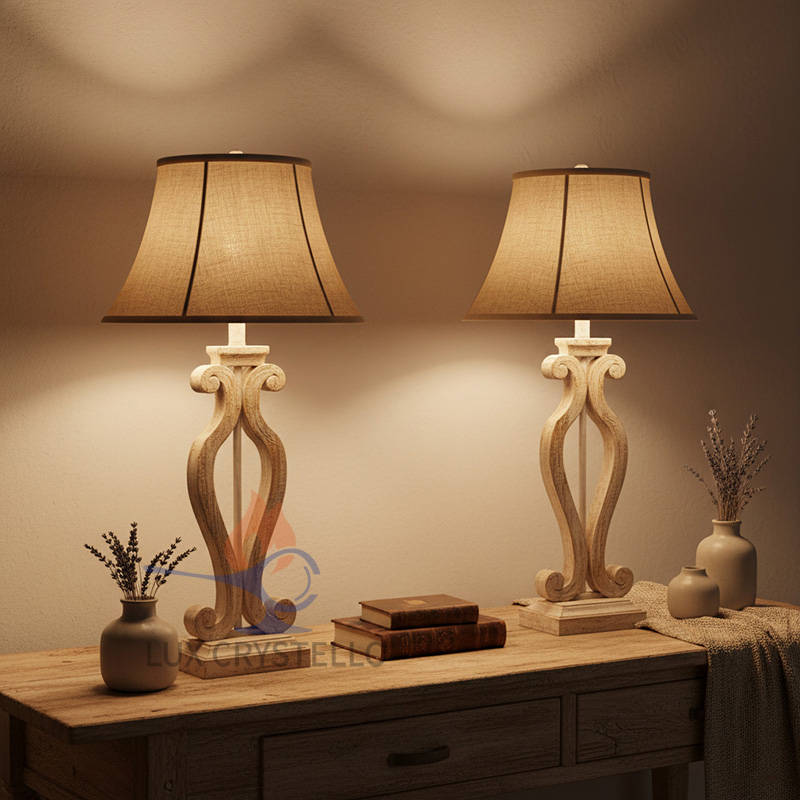
When selecting French provincial lamps, material consistency and craftsmanship are critical. High-quality bases may utilize solid wood, cast resin, bronze-tone metal, or ceramic bodies with hand-painted textures. Lampshades are commonly made from linen, cotton, or premium blended fabrics to achieve durability and refined light diffusion.
For bulk purchasing, stability and packaging reliability are essential. Many suppliers providing home decor lighting will use multi-layer export packaging, anti-pressure reinforcement, and edge protection structures to reduce deformation during international shipping. Professional manufacturers may offer CE, UL, or equivalent compliance testing options, supporting safety norms across different regional markets.
In addition, MOQ flexibility and OEM customization—covering shade shapes, colors, fabrics, heights, switches, or logo labeling—allow distributors to differentiate quietly within competitive collections. Lead time typically depends on order complexity and finish requirements, but consistent communication and pre-production samples help ensure predictable delivery.
FAQ About French Provincial Lamps
Q1: What materials are commonly used, and how do they affect durability?
Typical materials include solid wood, resin, metal, or ceramic bases combined with fabric lampshades. Wood and resin offer distinct decorative textures, while metal provides stronger structural performance, especially for commercial environments.
Q2: Are OEM/ODM customization options available?
Yes. Many manufacturers support customization for lampshade size, base color, finishing textures, fabric type, and plug/bulb standards depending on the target region.
Q3: What should distributors consider regarding MOQ and lead time?
MOQs vary according to design complexity and packaging requirements; simpler models generally support smaller starting quantities. Lead times depend on material availability and finishing processes, particularly for hand-crafted products.
Q4: Which interior styles match french provincial lamps best?
They complement classic interior design themes such as vintage farmhouse, European classic, cottage-style luxury, boutique hospitality, and curated lifestyle retail displays.
Q5: How to ensure safe packaging for international shipping?
Look for multi-layer shockproof packaging, lampshade support structures, and corner guards suitable for long-distance freight. Testing with pre-shipment drop simulation is also common among professional suppliers.
Conclusion
French provincial lamps continue to hold a strong position in global décor markets because they blend warmth, elegance, and craftsmanship. Their comfortable atmosphere, broad design compatibility, and strong commercial performance make them a trusted choice for retail and project-based buyers. For distributors, importers, and designers, evaluating materials, customization ability, and packaging stability helps ensure successful procurement cycles and repeat business.
Partner with a Professional Supplier of French Provincial Lamps
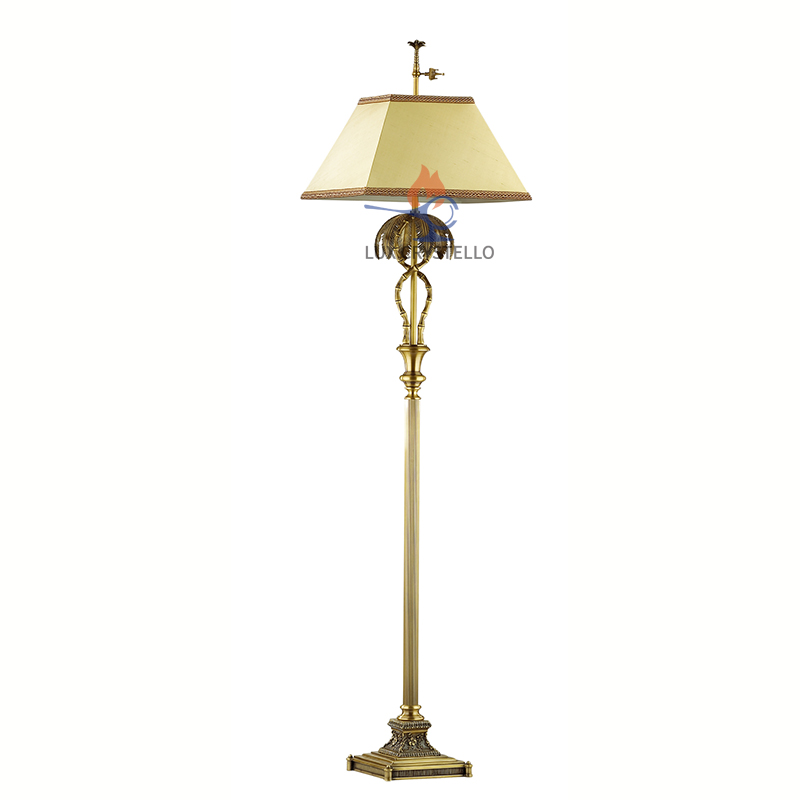
If you are planning to expand your lighting category or build a new interior décor collection, selecting stable and well-crafted french provincial lamps can support long-term value and brand aesthetic. Many B2B partners choose this category because it offers dependable demand and flexible styling for diverse project needs.