
Blogpost keywords: brass wall sconce lighting, hospitality wall lighting, decorative wall sconces
Brass wall sconce lighting plays a unique role in interior projects because it operates at human eye level, directly shaping how a space feels rather than how bright it is. In bedrooms, corridors, entrances, and boutique commercial environments, wall-mounted lighting defines emotional tone through reflection, shadow, and rhythm. For B2B buyers, this makes the category powerful—but also sensitive. Minor changes in glass, beam direction, or brass tone can dramatically alter the final atmosphere.
This guide focuses on how brass wall sconces influence mood and how professional buyers can select or customize the right configurations for hospitality, residential, and lifestyle-driven projects.
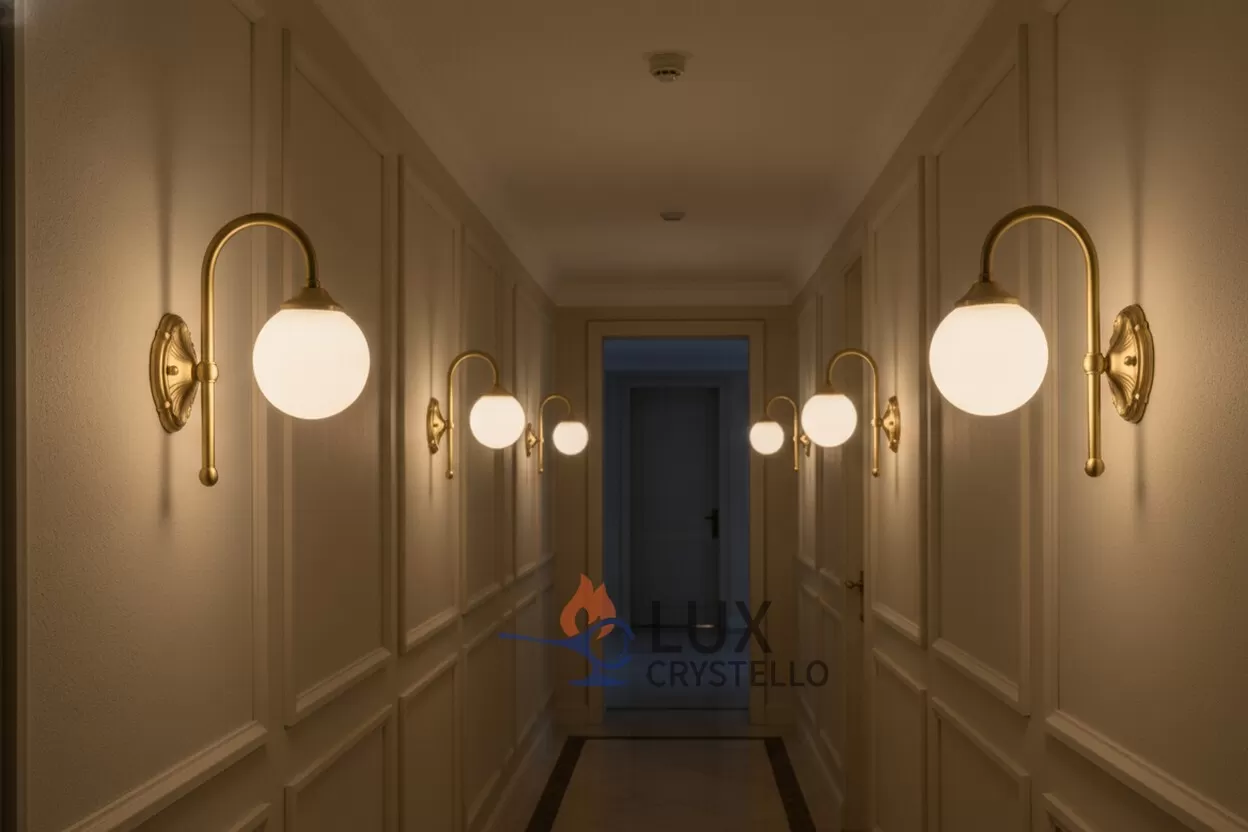
Brass Wall Sconce Lighting and the Psychology of Warmth
Brass wall sconce lighting introduces warmth before illumination even begins. The metal surface reflects ambient colors, adding a soft golden undertone that enriches materials such as wood, plaster, linen, and stone. Once lit, brass creates a gentle halo effect on nearby surfaces—an effect frequently used in hospitality wall lighting to establish calm, intimacy, or understated luxury.
Different brass finishes shift perception subtly:
- First, satin brass produces soft reflections, creating a relaxed mood ideal for understated spaces.
- Second, brushed brass emphasizes texture and material depth, adding tactile richness.
- Third, aged brass introduces visual warmth and vintage character, evoking heritage charm.
- Finally, polished brass generates higher contrast and a dramatic presence, making it a bold accent.
For distributors curating coordinated collections, brass tone continuity is therefore critical. Consequently, inconsistent sheen or color becomes immediately noticeable when multiple decorative wall sconces are installed in sequence.
Turning to directional glow, beam control shapes space in ways distinct from ceiling fixtures. Unlike ceiling lights, wall sconces create intentional light paths, and with brass wall sconce lighting, beam direction becomes part of spatial design rather than just a technical detail.
Common effects include: first, upward light to elongate walls and highlight architecture; second, downward light to define surfaces and provide functional clarity; additionally, diffused light to soften the environment without visible hotspots.
Thus, for multi-room or hospitality projects, selecting decorative wall sconces that work in more than one orientation helps streamline procurement and installation. In doing so, it maintains visual cohesion while offering flexibility.
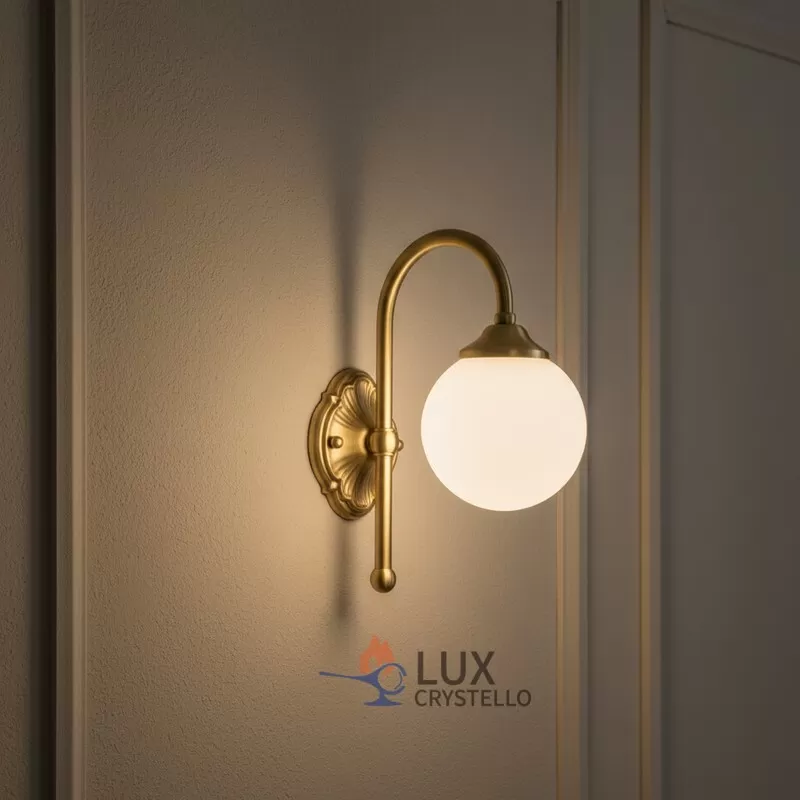
Material Pairings and Their Emotional Impact
Glass selection dramatically changes how brass wall sconces feel in real environments. The same brass body can deliver very different moods depending on diffuser choice:
Opal glass produces a soft, calming glow
Clear glass adds definition and architectural sharpness
Amber or smoke glass creates intimate, lounge-like ambience
Ribbed or textured glass introduces shadow play and visual rhythm
These differences matter most in repeated installations. In long corridors or dining spaces, hospitality wall lighting must remain comfortable over time rather than visually tiring. Material consistency across batches ensures the atmosphere remains stable from room to room.
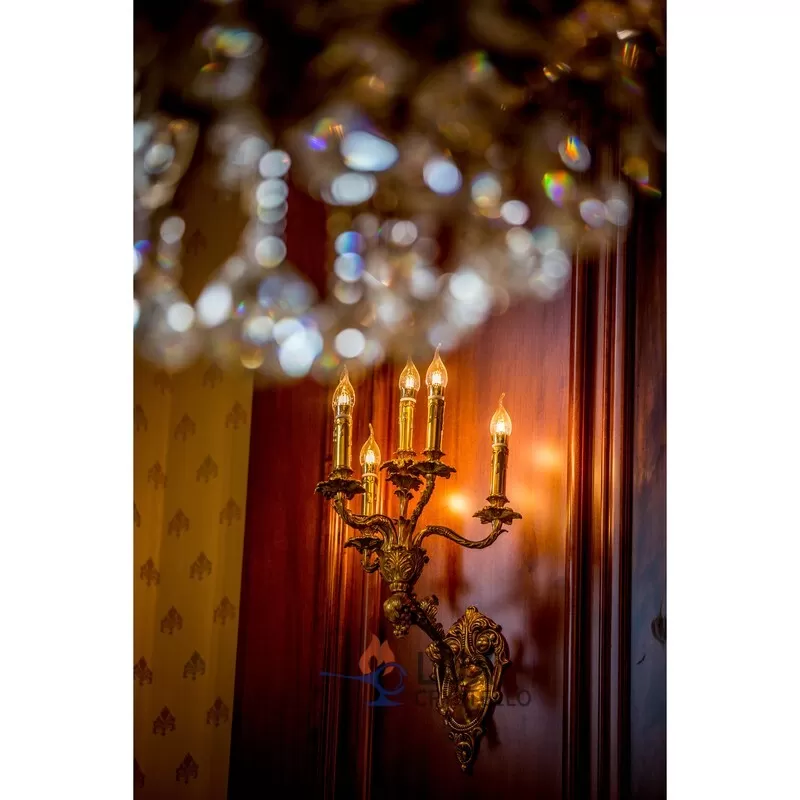
Production and Specification Considerations for B2B Buyers
From a sourcing perspective, brass wall sconce lighting requires careful coordination between design intent and manufacturing control. Buyers typically focus on:
-
Finish stability under warm light conditions
-
Glass uniformity and tint repeatability
-
Mounting hardware that keeps fixtures level over time
-
Packaging that prevents brass-to-brass contact during transit
Because wall sconces are often installed in visible sequences, even minor deviations in alignment or tone can disrupt the overall rhythm of a space. Reliable suppliers document finish references and maintain strict batch control for decorative wall sconces used in project environments.
Conclusion
Brass wall sconce lighting functions as a mood-setting instrument rather than a purely decorative accessory. Through controlled reflection, directional glow, and material pairing, it guides how people emotionally experience a space. For B2B buyers, success depends on understanding how brass tone, beam direction, and glass choice interact within real environments—especially in hospitality and multi-room projects.
For sourcing teams and distributors, long-term performance comes from repeatability. Locked brass tones, approved glass options, and controlled mounting specifications allow hospitality wall lighting programs to scale without visual inconsistency. Whether developing tailored decorative wall sconces or standardizing a core design, a structured brass wall sconce lighting strategy supports predictable results across projects and reorders.