
Blogpost keywords: brass branch chandelier, branch chandelier, sculptural brass lighting
A brass branch chandelier is created to define space rather than recede into the background. Inspired by organic branching forms, this type of chandelier introduces movement, rhythm, and a natural flow into interior environments. For distributors and project buyers, it is often specified when a space requires a strong visual identity instead of conventional decorative lighting. Brass contributes warmth and structural integrity, while the branching silhouette establishes a sculptural presence that immediately commands attention.
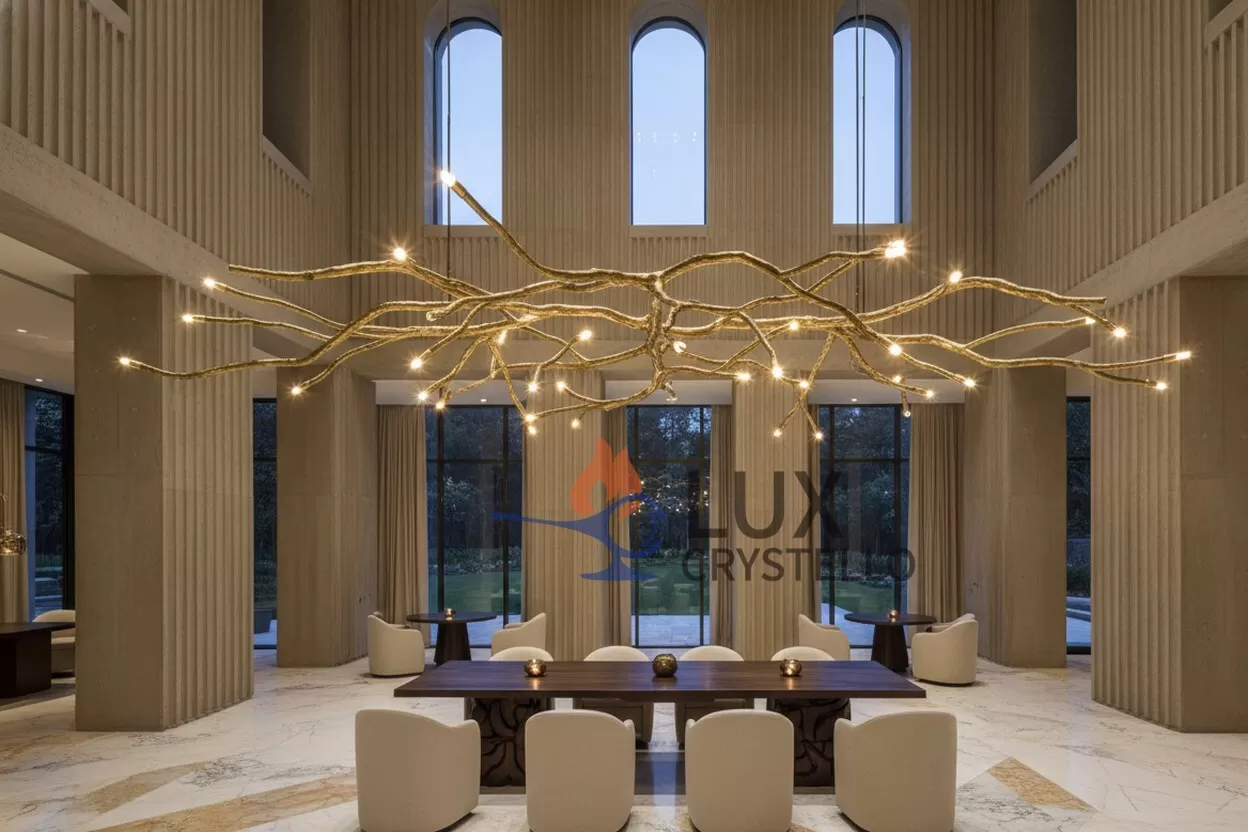
Why a Brass Branch Chandelier Resonates in High-End Projects
In premium interiors, lighting is expected to perform as both illumination and visual expression. A brass branch chandelier functions as a narrative element, shaping how a space is perceived and experienced. Its organic form avoids rigid geometry, allowing it to feel timeless rather than trend-driven.
Designers frequently choose a branch chandelier for projects that demand individuality—hotel lobbies, statement dining rooms, and double-height residential spaces. For B2B buyers, this timeless quality translates into longer product relevance and easier positioning as an artistic lighting solution rather than a seasonal offering. When integrated thoughtfully, sculptural brass lighting helps elevate the overall design language of an interior.
Spatial Impact and Layout Versatility
One defining advantage of a brass branch chandelier is its ability to occupy space horizontally as well as vertically. Unlike traditional central chandeliers that concentrate light in a single downward axis, branching structures distribute light across a broader area.
This makes a branch chandelier especially effective above long dining tables, stair voids, and open-plan living zones. In hospitality environments, the extended silhouette creates visual balance without overcrowding the ceiling. For project buyers, this spatial efficiency can reduce the need for multiple fixtures while maintaining a cohesive lighting strategy anchored by sculptural brass lighting.
Material Integrity and Structural Performance
Because branch chandeliers incorporate multiple arms and light points, construction quality is critical. Buyers evaluating a brass branch chandelier typically examine arm thickness, joint strength, and overall weight distribution. Despite its organic appearance, the structure must feel stable and intentional.
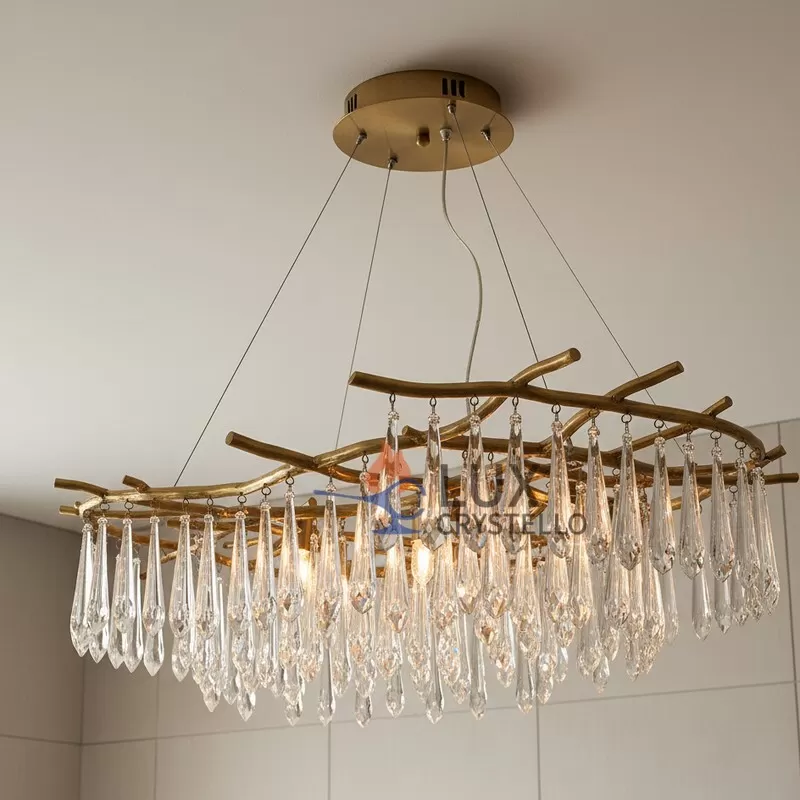
Brass meets these requirements effectively. Its inherent strength supports slender yet durable arms, while its surface finish provides refined visual depth. Clean joins, balanced proportions, and consistent tone are essential, particularly in large-scale installations. For export markets, manufacturers must align electrical components with CE or UL standards, which ensures suitability for long-term commercial use. In well-executed sculptural brass lighting, form and engineering achieve a careful equilibrium.
Market Positioning and Perceived Value
Rarely do retailers position a brass branch chandelier as a high-volume product. Instead, it serves as a signature or anchor piece within luxury residential projects, boutique hotels, high-end restaurants, and private clubs. Even with limited unit sales, its strong visual impact delivers significant branding value for distributors.
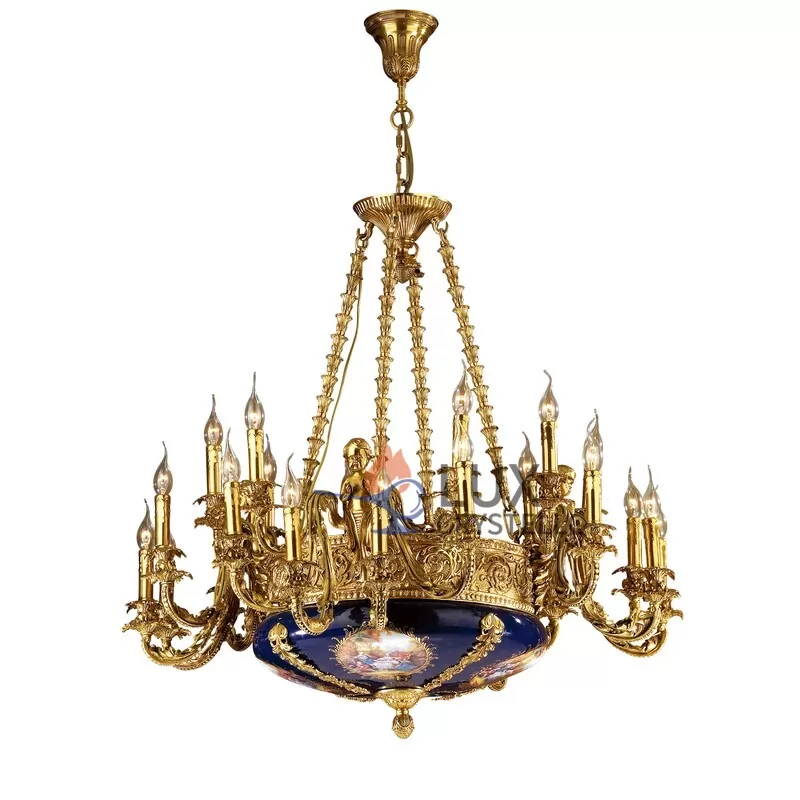
Placed alongside simpler supporting fixtures, a branch chandelier elevates an entire lighting collection. It strengthens catalog presentation, enhances showroom storytelling, and raises perceived value across complementary products. For distributors, this role within a sculptural brass lighting portfolio often outweighs pure sales volume considerations.
Production Planning and Project Supply Considerations
Branch-style chandeliers require disciplined production management. Consistency in arm curvature, brass tone, and overall proportions is especially important for repeat orders or phased projects. Buyers often prioritize finish matching and structural continuity over frequent design changes.
Packaging strategy also plays a vital role. Detachable arms, clearly labeled components, and reinforced cartons help reduce shipping risk and simplify on-site installation. For long-term supply programs, reliable reproduction of a brass branch chandelier across multiple batches supports smoother project execution and sustained buyer confidence.
Conclusion
A brass branch chandelier delivers more than illumination—it offers movement, identity, and visual storytelling within a space. For B2B buyers targeting distinctive interiors, it functions as a sculptural centerpiece that defines atmosphere and elevates overall design value.
When thoughtfully produced and consistently supplied, branch chandelier designs allow distributors and project teams to anchor premium lighting programs with confidence. Integrated as part of a broader sculptural brass lighting strategy, these chandeliers continue to serve as enduring symbols of craftsmanship and spatial expression.