
Blogpost keywords: brass and glass pendant light, custom glass pendant light, brass lighting manufacturer
A brass and glass pendant light succeeds in commercial interiors because it balances two opposing qualities: warmth and clarity. Brass provides visual depth and material weight, while glass keeps the fixture light, clean, and adaptable. This balance explains why buyers repeatedly specify this category for kitchen islands, bar counters, hotel corridors, and retail display zones.
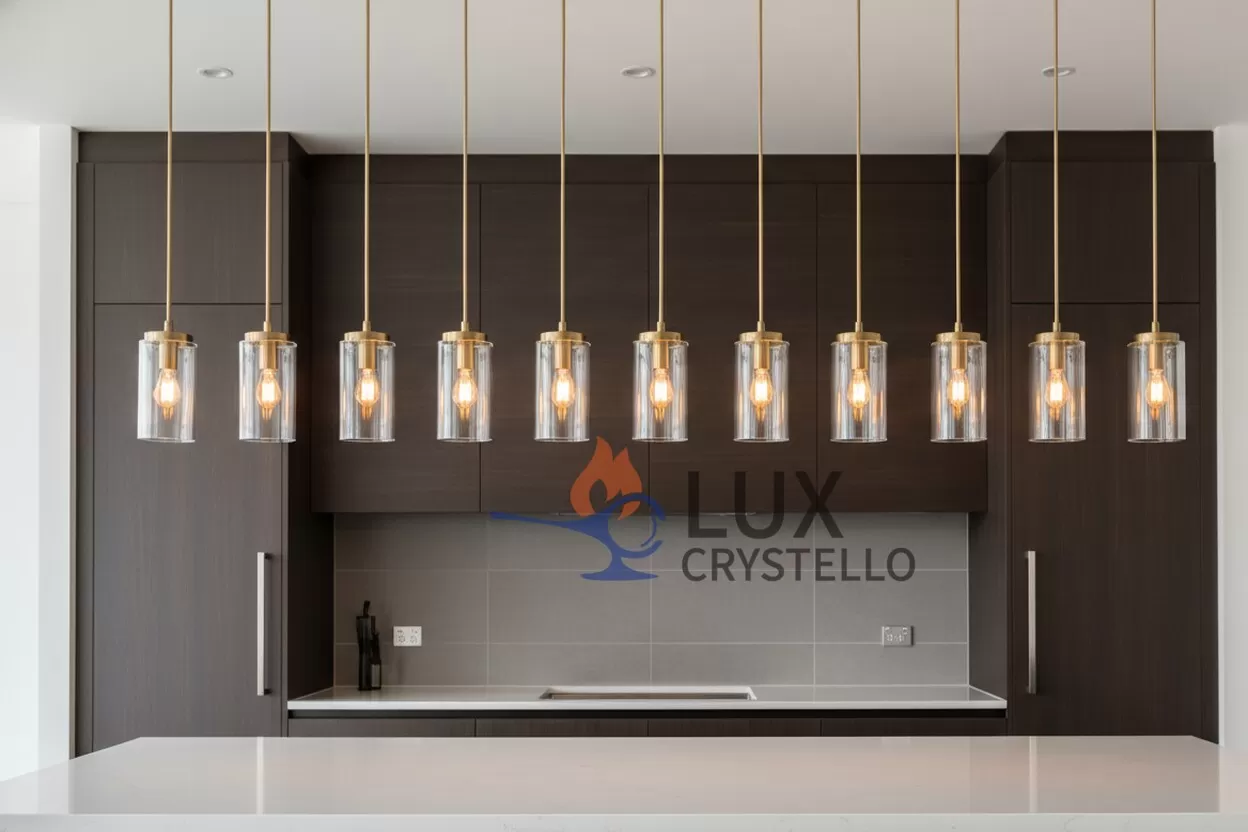
For B2B buyers, this product presents more complexity than it may seem. Both brass and glass are sensitive surfaces. Minor inconsistencies in a combined fixture can lead to returns or rework. Treating such a pendant as an integrated system is essential. This applies whether sourcing stock or developing an OEM version.
Why the Glass Element Comes First
The glass component shapes how the fixture is perceived. Clear glass delivers crisp brightness. However, it exposes bulb positioning and internal shadows. Opal or frosted glass softens glare and improves comfort. Yet, inconsistent diffusion can make multiple units appear mismatched in rows. Tinted options, like smoke or amber, introduce mood. They also demand tight quality control. Even subtle color variation becomes noticeable in repeated installations.
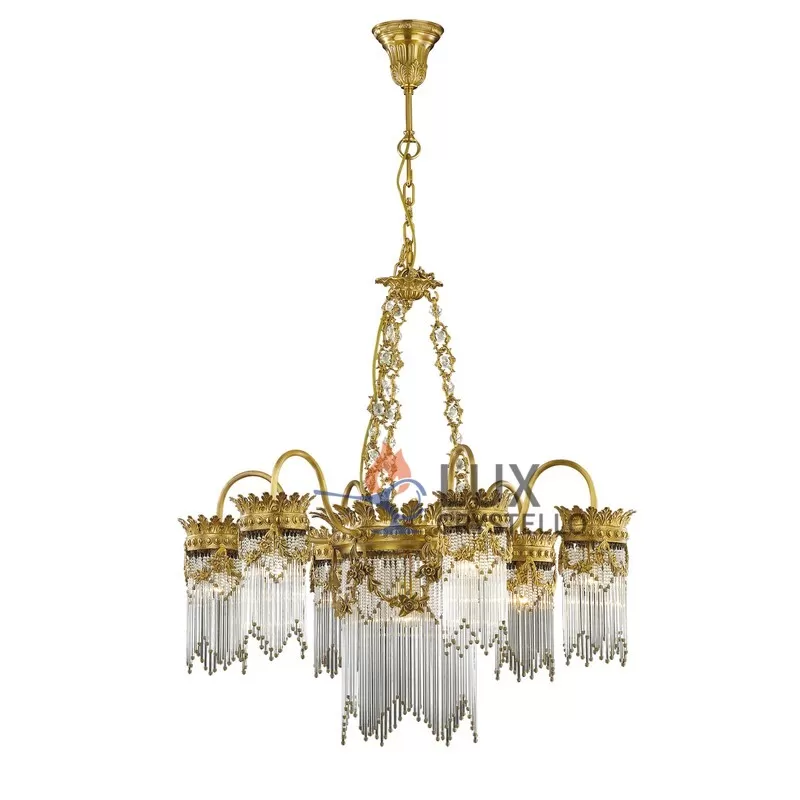
For buyers developing a custom glass pendant light, edge finishing and thickness are just as important as color. Poorly polished rims chip during handling, while thin glass increases transit risk. Evaluating multiple units together—rather than a single sample—helps confirm batch consistency and reduces surprises in large-scale projects.
Locking the Brass Finish for Repeat Orders
Once the glass specification is stable, attention shifts to the metal. In a brass and glass pendant light, brass tone must remain consistent across canopy, collar, and hardware. Differences between components finished in separate batches are one of the most common quality complaints.
Professional buyers often work closely with a brass lighting manufacturer to define finish recipes rather than relying on generic color names. Satin brass, warm brass, or champagne tones can all perform well, but repeatability is critical. Protective topcoats that reduce fingerprints and micro-scratches improve durability in hospitality and retail environments, especially for fast-moving stock programs.
Installation Details That Affect Returns
Many service issues associated with a brass and glass pendant light stem from installation rather than design. Glass mounting methods—such as threaded holders, collar rings, or twist-lock systems—must be secure without requiring excessive force. Over-tightening is a frequent cause of cracked glass in the field.
Buyers sourcing a custom glass pendant light should evaluate practical details on physical samples: canopy sits flush, pendant hangs straight, and glass aligns evenly without visible gaps. Lit evaluation is equally important, as glare or hotspots often appear only once the fixture is powered. A reliable brass lighting manufacturer typically documents these checks before approving production.
Stock Versus OEM: Choosing the Right Supply Path
Fast-turn programs prioritize availability and consistency. In-stock brass and glass pendant light models work well for distributors supplying retail or quick hospitality rollouts, provided finish batches are traceable for future replenishment.
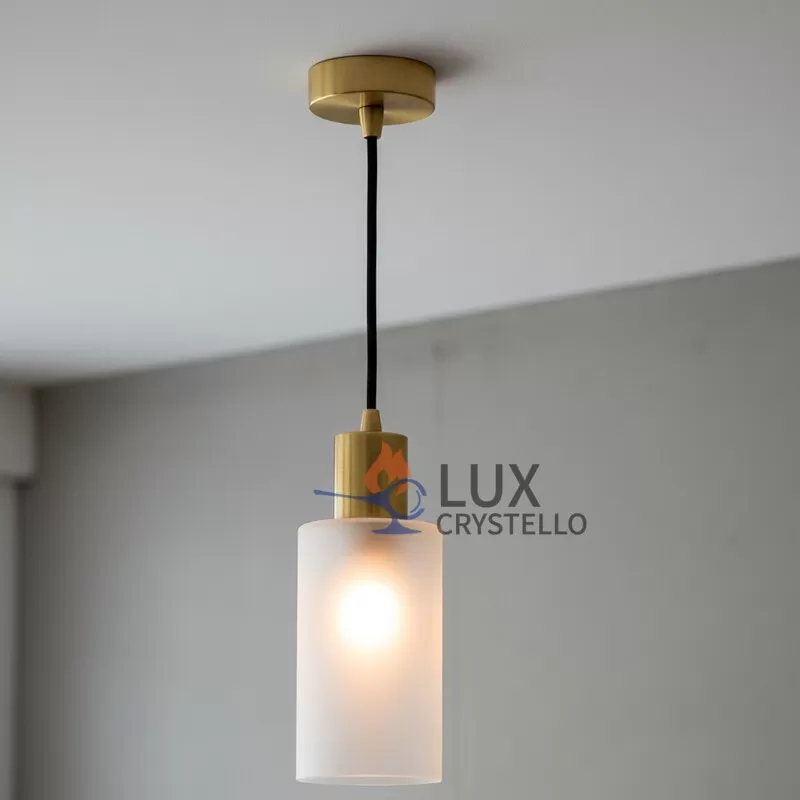
OEM programs offer more flexibility. A custom glass pendant light can be developed by adjusting glass shape, tint, drop length, or canopy proportion while keeping core components standardized. For buyers managing long-term projects, partnering with a capable brass lighting manufacturer helps balance customization with practical lead times and stable reorders.
Logistics, Packaging, and Handling Strategy
Glass increases logistics sensitivity. Export-ready packaging for a brass and glass pendant light typically separates glass from metal, uses reinforced internal supports, and protects finished surfaces from abrasion. Clear labeling and consistent packing methods reduce damage during transit and simplify on-site installation.
For buyers planning phased deliveries, packaging consistency becomes as important as design consistency. Repeat shipments of a custom glass pendant light must match earlier batches visually and structurally to maintain project integrity.
Conclusion
A brass and glass pendant light becomes a dependable B2B product when glass quality is controlled, brass finishes remain consistent, and installation details are engineered for real-world use. Treating it as a repeat-install SKU—rather than a one-off decorative piece—reduces returns and supports long-term programs.
Whether selecting fast-moving stock or developing a custom glass pendant light through OEM, working with an experienced brass lighting manufacturer helps ensure smoother sourcing, predictable reorders, and scalable commercial success.