
Blogpost keywords:lost wax copper antique lamp, lost wax copper lamp, antique copper table lamp
Lost wax copper antique lamp with solid cast structure. Learn how lost wax copper lamp and antique copper table lamp fit B2B sourcing.
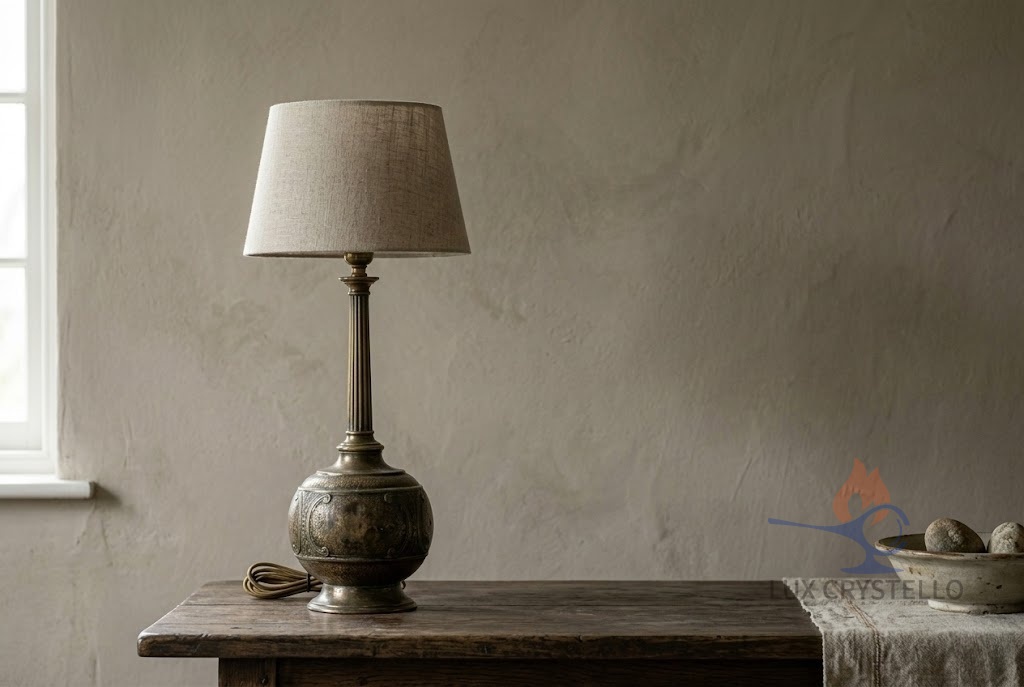
Lost Wax Copper Antique Lamp: Craftsmanship, Heritage Design, and B2B Value
A lost wax copper antique lamp sits at the crossroads of traditional metal casting and timeless lighting design. Unlike mass-produced “antique-style” lamps that rely on surface treatments alone, this category is defined by solid copper structure, refined casting detail, and finishes that age naturally over time. For professional buyers, these qualities translate into stronger product differentiation and longer commercial lifespan.
In hospitality, residential, and curated retail markets, buyers increasingly look for lighting pieces that feel authentic rather than decorative replicas. Understanding how lost wax casting contributes to that authenticity helps B2B decision-makers source with confidence and position these lamps more effectively.
Lost Wax Copper Antique Lamp: What It Is and How It’s Made
A lost wax copper antique lamp is produced using the investment casting method, a process valued for its ability to preserve fine detail and structural integrity. Each component begins as a wax model that defines the lamp’s form—base contours, decorative relief, and proportions. The wax is coated with a ceramic shell and heated so the wax melts away, leaving a precise mold.
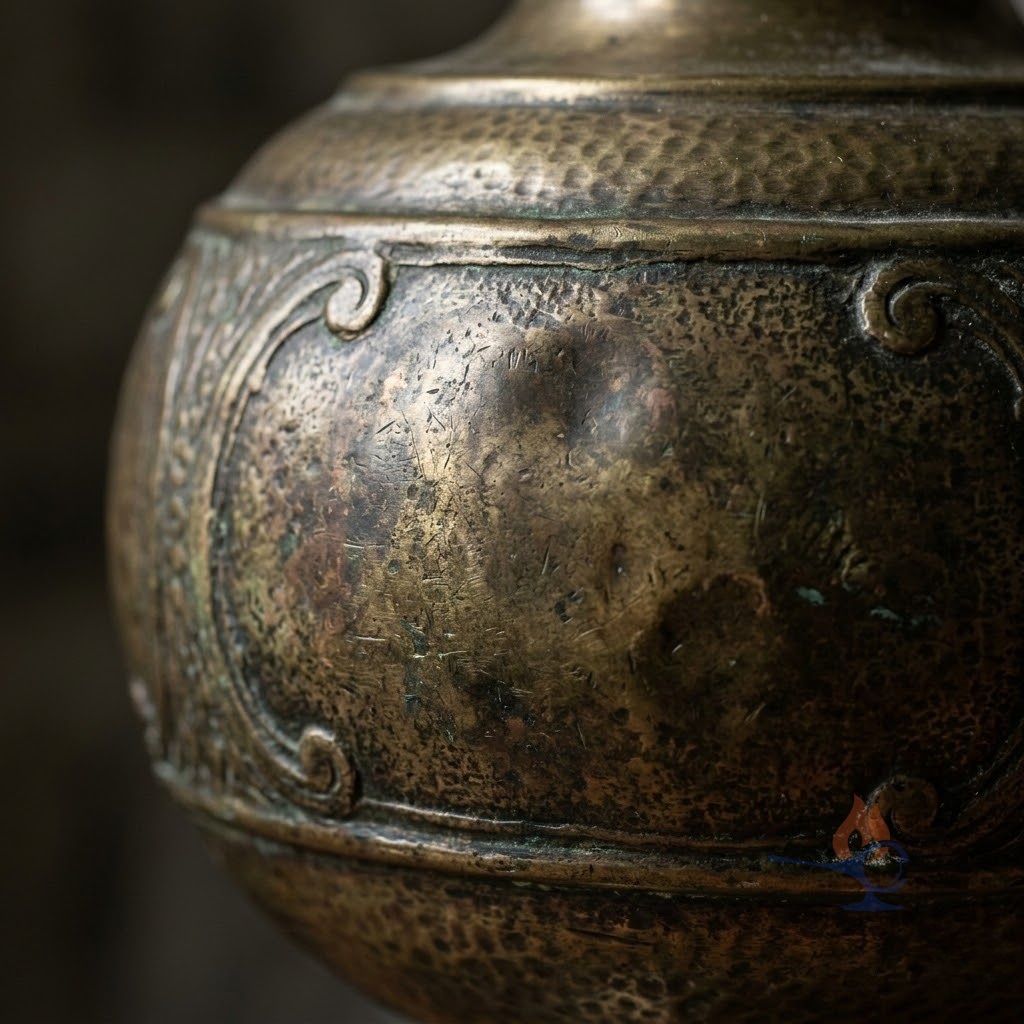
Molten copper or copper alloy is poured into this mold, creating solid metal parts once cooled. Unlike fabricated lamps made from thin copper sheets and welded joints, a lost wax copper lamp often features cast bases or stems formed as single pieces. This reduces weak points and ensures better balance and weight distribution.
For B2B buyers, this process offers consistency without sacrificing craftsmanship, making it suitable for both boutique collections and repeat project orders.
Why Lost Wax Casting Defines the Quality of Antique Copper Lamps
The most noticeable difference in a handcrafted antique lamp made through lost wax casting is material presence. Cast copper components are heavier and denser, giving the lamp a stable, premium feel that aligns with antique aesthetics. This weight also improves durability, especially in environments where lamps are frequently moved or adjusted.
Detail is another defining factor. Lost wax casting captures subtle curves, aged motifs, and sculptural depth that stamped or machined parts struggle to replicate. When combined with hand-applied patinas or brushed finishes, these details create an authentic aged appearance rather than a uniform, artificial “antique look.”
Finish performance also benefits. Antique copper lamp finishes applied to cast surfaces tend to wear more gracefully over time, reinforcing the vintage character rather than detracting from it.
Where Lost Wax Copper Antique Lamps Fit Best in Commercial Projects
In commercial applications, a lost wax copper antique lamp is often used as an accent piece that anchors a space visually. Boutique hotels place them on bedside tables or consoles to reinforce a heritage or European-inspired atmosphere. Restaurants and lounges use them to add warmth without relying solely on overhead lighting.
In high-end residential projects, these lamps suit living rooms, studies, and bedrooms where layered lighting and material richness matter. Retailers frequently position them within vintage copper lighting or heritage décor collections, where storytelling around craftsmanship supports higher perceived value.
Because of their solid construction, many lost wax copper antique lamps are suitable for contract use, provided they are assembled with compliant wiring and sockets and meet general CE or UL requirements.
FAQ About Lost Wax Copper Antique Lamp
How does lost wax casting differ from fabricated antique-style lamps?
Lost wax casting forms solid copper components from a mold, while fabricated lamps use thin sheets and joints. Casting delivers better detail and strength.
What copper materials and finishes create an authentic antique look?
Solid copper or copper alloys paired with hand-applied patinas, brushed, or aged finishes produce more natural aging over time.
Are lost wax copper antique lamps suitable for hospitality and contract use?
Yes. Their durability makes them suitable for hotels and public interiors, as long as electrical components meet safety standards.
What are typical MOQ and customization options for B2B buyers?
MOQs vary by supplier. Customization often includes size, finish tone, lamp base design, and socket specifications.
What should buyers consider for wiring standards, packaging, and shipping?
Compliance with target-market wiring standards, reinforced cartons, and foam protection are essential for safe export and installation.
Sourcing and Specification Tips for Professional Buyers
When sourcing a lost wax copper antique lamp, buyers should evaluate more than appearance. Casting consistency, weight tolerance, and finish uniformity across samples are critical for maintaining a reliable product line. It is also important to assess how suppliers manage surface variations, which are natural in antique-style finishes but should remain controlled.
Lead times may be longer than for standard lamps due to mold preparation and casting cycles. Clear communication regarding production schedules, packaging methods, and documentation helps prevent delays—especially for hospitality or multi-location projects.
Working with suppliers experienced in both traditional casting and export logistics allows buyers to scale antique lighting collections without compromising quality.
A Practical Perspective on Selecting Lost Wax Copper Antique Lamps
A lost wax copper antique lamp offers more than visual charm—it provides structural confidence, authentic material character, and long-term value. For B2B buyers, understanding the casting process explains why these lamps differ in price, weight, and durability from surface-treated alternatives.
By aligning design intent, application context, and supplier capability, professional buyers can confidently integrate lost wax copper antique lamps into collections that emphasize heritage and craftsmanship.
What matters most to you when choosing a lost wax copper antique lamp for your next project or collection?
Soft CTA: Supporting Heritage-Inspired Lighting Collections
When developing a range that includes a lost wax copper antique lamp, many buyers prioritize manufacturing partners who understand both traditional craftsmanship and modern B2B requirements. The right partnership can simplify customization, quality control, and repeat ordering across heritage-style lighting lines.