
Blogpost keywords: lost wax brass candelabra manufacturing, brass candelabra production, lost wax casting brass
Lost wax brass candelabra manufacturing for decorative lighting, combining brass candelabra production and lost wax casting brass for luxury home décor lighting.
Lost Wax Brass Candelabra Manufacturing: Craftsmanship Behind Timeless Designs
Lost wax brass candelabra manufacturing is a process where traditional metal craftsmanship meets modern decorative lighting needs. For professional buyers and distributors in the home décor and lighting industry, this technique represents more than production—it reflects quality, detail, and long-term value. Compared with mass-produced alternatives, lost wax casting allows brass candelabras to carry richer textures, refined proportions, and a sense of heritage that appeals strongly to high-end markets.
In this article, we’ll walk through how lost wax brass candelabras are made, why this method matters for B2B sourcing, and what buyers should consider when selecting suppliers for decorative brass lighting.
Lost Wax Brass Candelabra Manufacturing: Process and Background
Lost wax brass candelabra manufacturing starts with a wax model that precisely represents the final product. Every arm, curve, and decorative detail is shaped in wax first. This wax model is then coated with a refractory material to form a mold. Once heated, the wax melts away—leaving a cavity that is filled with molten brass.
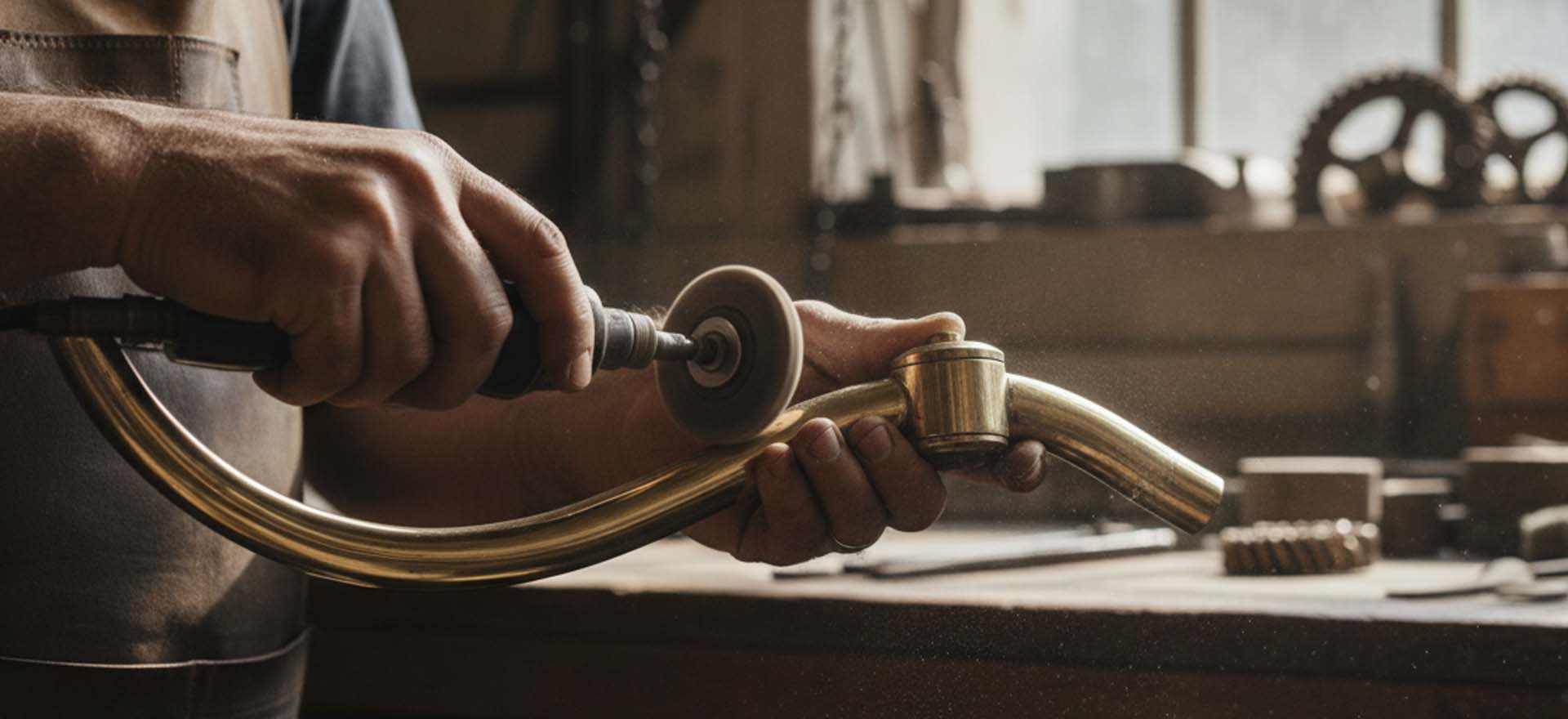
After cooling, the mold is broken, revealing a raw brass candelabra that requires extensive finishing. Polishing, surface treatment, and assembly are all done by hand. Because the mold is destroyed during casting, each piece is effectively unique, even within the same design series.
For B2B buyers, this process explains why lost wax casting brass is especially suitable for classic and French-style candelabra designs. It allows complex structures that would be difficult or impossible with stamping or CNC-only production.
Why Lost Wax Casting Is Ideal for Brass Candelabra Production
One key advantage of lost wax casting brass is design freedom. Unlike simpler brass forming methods, lost wax casting can handle intricate scrolls, floral elements, and multi-arm structures without compromising strength. This is critical for candelabras, where balance and stability matter as much as aesthetics.
Another benefit is material integrity. Solid brass produced through lost wax casting offers better weight and durability than hollow or plated alternatives. Over time, brass develops a natural patina, which many luxury home décor lighting buyers see as added character rather than wear.
From a B2B perspective, lost wax brass candelabra manufacturing also supports small-batch and custom production. Many suppliers can adapt arm counts, candle cup sizes, or finishes to meet regional market preferences without retooling large production lines.
Applications and Market Demand for Handcrafted Brass Candelabras
Decorative brass candelabras remain popular across several markets. In Europe and North America, they are widely used in classic interiors, boutique hotels, wedding venues, and heritage-style restaurants. In the Middle East and parts of Asia, heavier, more ornate designs are often favored for luxury residential projects.
For distributors and importers, handcrafted brass lighting offers a strong positioning advantage. These products are typically not price-driven impulse buys; instead, they attract customers looking for authenticity, weight, and craftsmanship. As a result, they often perform well in curated collections and project-based sales.
Luxury home décor lighting trends also show renewed interest in candle-style elements, especially when combined with modern interiors. This makes lost wax brass candelabras a flexible product category that bridges traditional and contemporary design.
Common Challenges and Considerations in Brass Candelabra Manufacturing
While the advantages are clear, buyers should also understand the realities of lost wax brass candelabra manufacturing. The process is labor-intensive, which means production costs are higher than mass-produced brass items. Lead times can also be longer, particularly for complex designs or custom finishes.
Quality consistency is another consideration. Because much of the work is done by hand, experienced craftsmanship and quality control are essential. Professional buyers should look for suppliers with stable production teams, clear inspection standards, and experience handling export packaging for fragile decorative lighting.
Weight is also a factor. Solid brass candelabras require proper packaging and pallet planning to avoid damage during international shipping.
FAQ About Lost Wax Brass Candelabra Manufacturing
What is the structural difference between lost wax cast and stamped brass candelabras?
Lost wax cast candelabras are usually solid or thick-walled, offering better weight and stability. Stamped or assembled products may be lighter but often lack depth and durability.
How does brass quality affect long-term performance?
Higher-quality brass improves corrosion resistance, surface finish, and aging behavior. It also reduces the risk of deformation in multi-arm structures.
Which markets are best suited for handcrafted brass candelabras?
Luxury residential, hospitality, event styling, and heritage-focused interiors are key markets for these products.
Are customization and small MOQs realistic?
Many manufacturers support design adjustments and small-batch orders, though tooling and sampling time should be considered.
What should buyers know about lead time?
Lost wax casting requires more production time. Planning ahead is essential, especially for seasonal or project-based orders.
Choosing the Right Manufacturing Partner
When sourcing through lost wax brass candelabra manufacturing, buyers should focus on more than just design samples. Communication clarity, finish consistency, export experience, and packaging solutions all play a role in successful long-term cooperation.
Working with manufacturers who understand decorative brass lighting—not just metal casting—can significantly reduce risk and improve product performance in your target market.
Conclusion
Lost wax brass candelabra manufacturing remains one of the most refined methods for producing decorative brass lighting with lasting value. Its ability to deliver detailed craftsmanship, solid structure, and customization flexibility makes it especially attractive to professional buyers and distributors serving the luxury home décor market.