
Blogpost keywords: lost wax copper wall light production, copper wall light manufacturing, lost wax copper wall lamp
Lost wax copper wall light production creates durable, decorative wall lighting. Learn about process, design benefits, and B2B sourcing considerations.
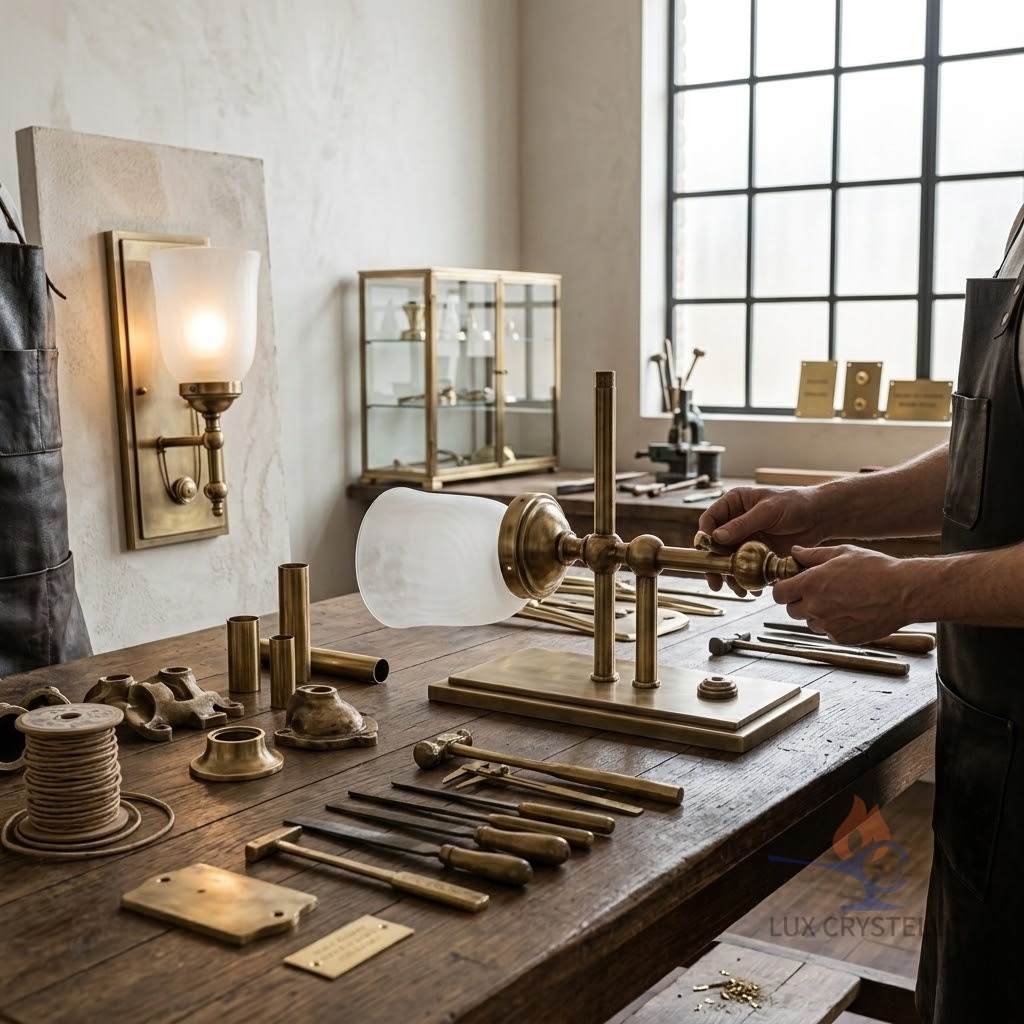
Lost Wax Copper Wall Light Production: Craftsmanship for Wall-Mounted Lighting
Lost wax copper wall light production plays an important role in the decorative lighting market, especially for projects that value material texture, refined details, and long-term durability. For professional buyers and distributors, wall lights are often supporting elements within a larger lighting plan, but their quality can strongly influence the overall perception of a space. Compared with mass-produced fixtures, lost wax–cast copper wall lights offer depth, weight, and character that align well with premium residential and hospitality environments.
As wall-mounted lighting continues to evolve from purely functional pieces into design accents, lost wax casting has become a preferred production method for copper wall lights that aim to stand out while remaining reliable in daily use.
Lost Wax Copper Wall Light Production: Process and Background
Lost wax casting, also called investment casting, allows manufacturers to produce detailed metal components with high consistency. In lost wax copper wall light production, the process begins with a wax model that defines the lamp body, decorative arms, or backplates. This model determines every curve and surface texture, making it a critical stage for design accuracy.
The wax model is coated with a ceramic slurry and dried to form a rigid shell. When heated, the wax melts away, leaving a hollow cavity that mirrors the original form. Molten copper is then poured into the mold, filling even fine details such as grooves or ornamental reliefs. After cooling, the ceramic shell is removed, and the copper casting is cleaned and refined.
This method produces solid, well-defined components that are ideal for wall-mounted fixtures, where structural stability and finish quality must work together.
Why Lost Wax Casting Is Ideal for Copper Wall Lights
Wall lights often feature compact designs, but that does not reduce their complexity. Mounting arms, backplates, and decorative elements must be precisely shaped to ensure proper alignment against walls. Lost wax casting excels in this area because it allows these elements to be formed as integrated pieces rather than assembled from multiple stamped parts.
Copper further enhances the benefits of lost wax casting. It offers sufficient strength for wall-mounted use while providing a warm visual tone that suits both classic and modern interiors. In lost wax copper wall lamp production, manufacturers can adjust wall thickness to balance durability and weight—important for safe installation.
Another key advantage is finish flexibility. Copper responds well to brushing, polishing, and patina treatments. This allows buyers to specify finishes ranging from clean, contemporary looks to vintage or antique effects, all using the same base design.
Design Applications and Market Demand for Copper Wall Lighting
Decorative copper wall lights are widely used in hospitality projects such as hotels, resorts, and restaurants, where layered lighting creates atmosphere. Wall lights often complement chandeliers or pendant lamps, providing accent lighting along corridors, staircases, or seating areas.
In residential markets, handcrafted wall lighting is popular in bedrooms, hallways, and living spaces, where it serves both functional and decorative purposes. Copper wall lights are especially valued for their ability to add warmth to neutral interiors and pair well with materials like wood, stone, and fabric.
From a B2B perspective, lost wax copper wall light production supports long-term product strategies. Wall lights are typically ordered in multiples, making consistency across batches essential. Lost wax casting offers this consistency while still preserving a handcrafted feel, which helps distributors position these products in mid-to-high-end collections.
Key Quality and Installation Considerations for B2B Buyers
When sourcing through lost wax copper wall light production, buyers should evaluate both aesthetic and technical factors. Structurally, wall lights must be designed to sit flush against mounting surfaces, with secure attachment points that support the fixture’s weight. Experienced manufacturers account for this during the design phase, ensuring compatibility with standard wall boxes and mounting hardware.
Finish consistency is another major concern. Copper naturally oxidizes, so controlled finishing and sealing processes help maintain uniform color across production runs. Buyers should also review how wiring channels and electrical components are integrated, as clean internal layouts simplify installation and maintenance.
From a logistics standpoint, wall lights often require protective packaging to prevent scratches or deformation during shipping. Lead times can be longer than stamped products due to mold preparation and hand finishing, so planning ahead is essential for project-based orders.
FAQ About Lost Wax Copper Wall Light Production
What types of wall light designs are suitable for lost wax casting?
Lost wax casting works best for wall lights with decorative arms, textured surfaces, or sculptural forms that require precise detailing.
How does copper material quality affect durability and finish?
Higher-quality copper alloys provide better strength and allow finishes to develop evenly, improving both durability and appearance.
Which markets commonly source decorative copper wall lights?
Hospitality, high-end residential, and lifestyle retail markets in Europe, North America, and the Middle East are key buyers.
What customization options are available for B2B orders?
Common options include finish variations, size adjustments, arm length changes, and compatibility with different light sources.
What should buyers consider regarding MOQ and lead time?
MOQs depend on design complexity. Buyers should expect longer lead times due to the casting and hand-finishing stages.
Choosing the Right Manufacturing Partner
Successful lost wax copper wall light production depends on clear communication between buyers and suppliers. Providing drawings, reference images, and finish samples helps align expectations. Many buyers request pre-production samples to confirm mounting structure, finish tone, and overall quality before moving into bulk orders.
Conclusion
Lost wax copper wall light production offers a balanced approach to decorative lighting—combining craftsmanship, material quality, and production consistency. For B2B buyers and distributors, it provides access to wall-mounted lighting that enhances interior spaces without compromising durability or installation reliability. As demand grows for lighting with character and authenticity, copper wall lights produced through lost wax casting remain a strong choice.