
Blogpost Keywords: glass brass pendant, brass pendant light, glass hanging lamp
Choosing the right glass brass pendant means understanding how two materials work together in a single fixture. The warm glow of brass paired with transparent or diffused glass creates a lighting effect that feels both classic and current. Whether you are upgrading a kitchen island or adding ambient light to a bedroom, knowing what to look for helps you pick a pendant that actually performs.
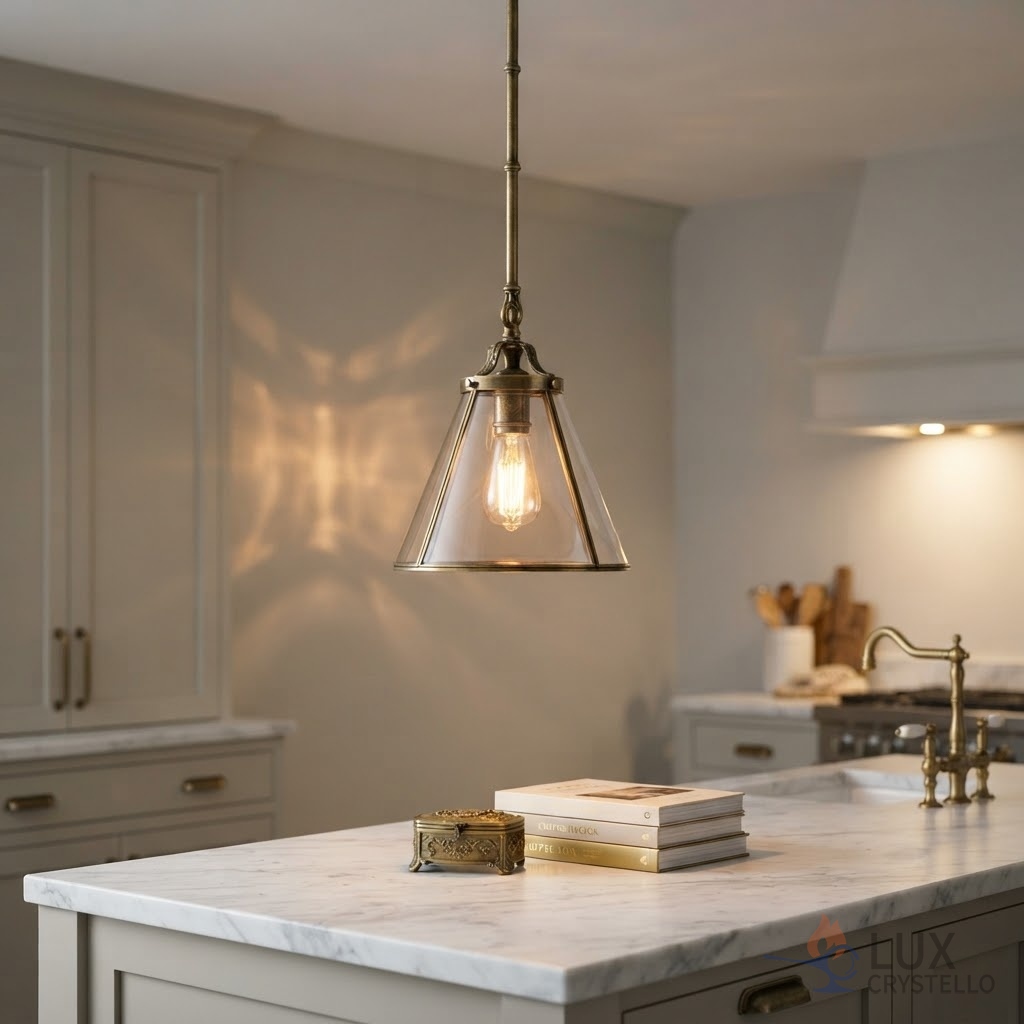
Why Glass and Brass Work So Well Together
The concept is similar to how a glass hanging lamp diffuses light through its shade. Brass has a natural warmth that steel or chrome cannot replicate. When paired with glass, the metal frame becomes a visual anchor while the glass diffuses light evenly across a room. This pairing has roots in Art Deco and mid-century modern design, but it shows up in contemporary spaces just as often. The combination does not compete with other finishes — it complements them, which is why designers reach for it in mixed-metal schemes.
The glass brass pendant a brass pendant light with a clear glass shade produces a different effect than one with frosted glass. The glass element matters as much as the brass. Clear glass lets the bulb and its filament become part of the design, while frosted or opal glass softens harsh light into a gentle wash. The choice between the two depends on whether you want the fixture to be a focal point or a background player.
Styles and Configurations Worth Considering
A glass hanging lamp in a kitchen provides task lighting that a ceiling fixture cannot match. Globe designs feature a spherical glass shade held by a brass cradle, and they work well in entryways or above small dining tables. Cylinder designs offer a cleaner, more linear profile suited to modern kitchens. Drum styles wrap glass inside a brass-rimmed frame, giving a softer, more diffused output.
The glass brass pendant this brass pendant light configuration works particularly well in entryways where a single statement piece sets the tone. A practical consideration is ceiling height. Fixtures with exposed bulbs and clear glass look best in rooms with at least eight feet of clearance. In lower ceilings, frosted glass or compact globe designs prevent the fixture from feeling overwhelming. For kitchen islands, grouping two or three smaller pieces often produces better task lighting than a single large unit.
Pendant Material Comparison
| Feature | Brass + Glass | Steel + Glass |
| Warmth | Rich, golden tone | Cool, industrial feel |
| Durability | Tarnishes slowly, easy to polish | Rust-resistant, minimal care |
| Price Range | Moderate to premium | Budget to moderate |
This approach mirrors the design principles found in any quality glass hanging lamp. Steel and glass fixtures tend to cost less and resist corrosion in humid environments, but they lack the visual warmth that brass brings to a dining or living space. For rooms where aesthetics matter more than raw durability, brass wins. In bathrooms or coastal properties where salt air is a concern, stainless steel may be the more practical choice.
The glass brass pendant when shopping for a brass pendant light, the finish quality matters as much as the glass type. Polished brass catches more light and creates a brighter reflection, while brushed brass diffuses it and hides fingerprints better. Buyers often overlook this distinction, but it changes how the fixture looks in daily use. Brushed finishes are forgiving in high-traffic areas; polished finishes demand more maintenance.
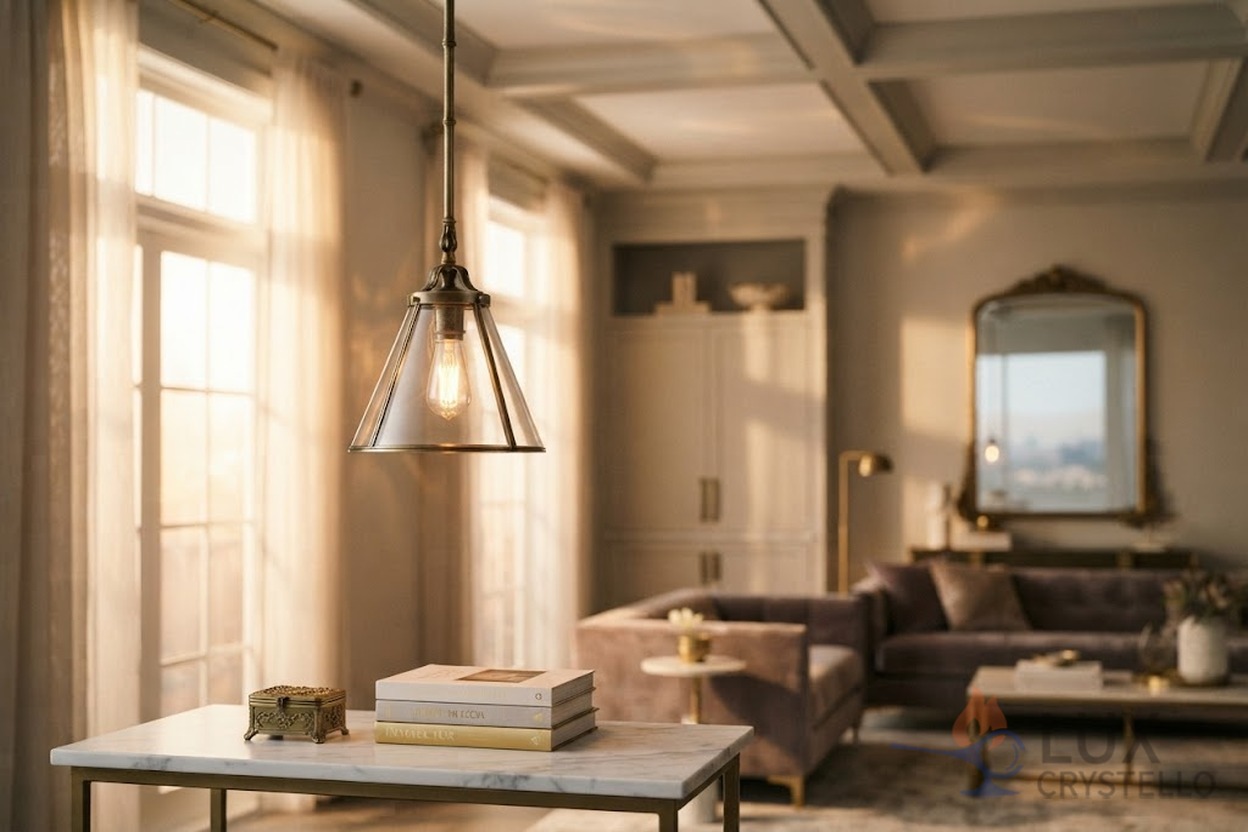
Installation and Placement Tips
Most brass pendants arrive hardwired, meaning they require a junction box and basic electrical knowledge to install. Plug-in versions exist for renters or anyone who wants to avoid wiring, and they can be looped over a ceiling hook with a decorative cord. Either way, the fixture should hang roughly 30 to 36 inches above a countertop or table surface.
The glass brass pendant that depends on the room’s ceiling height and the size of the fixture. In an entryway with a nine-foot ceiling, a single large piece centered in the space creates a natural focal point. Over a kitchen island, spacing multiple units at least 24 inches apart ensures even coverage without dark spots.
Common Mistakes Buyers Make
The most frequent error is choosing a fixture that is too small for the room. A glass brass pendant that looks perfect in a showroom can feel lost in a spacious living room. Measure the area and aim for a piece that occupies roughly one-third the width of the surface below it.
Another mistake is ignoring dimmer compatibility. Many brass fixtures use standard medium-base sockets, but not every bulb or unit works with a dimmer switch. If adjustable ambiance matters, verify the piece supports dimmable LED bulbs before purchasing. A fixture that cannot dim limits its usefulness across different times of day.
FAQ
How do I clean a glass brass pendant without damaging the finish?
Use a soft, lint-free cloth for the brass frame and a mild glass cleaner for the shade. Avoid abrasive pads or chemical polishes that can strip the brass coating. Wiping the fixture down every few weeks prevents dust buildup that dulls the glass.
Can a glass brass pendant work in a bathroom?
Yes, but the fixture must be rated for damp locations. Standard pieces are not sealed against moisture, so look for units specifically labeled as damp-rated. Pairing brass with frosted glass helps reduce glare from overhead vanity lighting.
What bulb type is best for this style?
Most units accept standard E26 medium-base bulbs. Warm white LEDs between 2700K and 3000K complement the brass tone and create a cozy atmosphere. Clear glass pieces look particularly good with vintage Edison-style filament bulbs.
How many should I hang over a kitchen island?
For a standard six-foot island, two to three pieces spaced evenly provide adequate task lighting. Larger islands may need four or more. The key is to keep the units proportional to the island width and each other.
Do these fixtures require professional installation?
Hardwired models do require basic electrical knowledge or a licensed electrician. Plug-in models are simpler and can be installed by most homeowners with a ceiling hook. Always check local building codes if you are unsure about wiring requirements.
Conclusion
A glass brass pendant is one of those fixtures that quietly improves a room without demanding attention. The material combination is versatile enough to fit traditional, transitional, and modern interiors alike. Take the time to match the glass type, finish, and scale to your space, and the piece will earn its place as a lasting design element.
Explore Our Brass Pendant Collection
If you are ready to see how this style transforms a room, browse our curated collection of hand-finished brass fixtures. Each piece is designed for easy installation and long-term durability, with glass options ranging from clear to frosted to tinted. Find the look that fits your space and start building the lighting plan you have been envisioning.