
Blogpost Keywords: Napoleon style brass lighting manufacturer, brass light fixture supplier, empire lighting production
Choosing a Napoleon style brass lighting manufacturer is a decision that affects every aspect of the finished product — from the weight of the brass frame to the consistency of the finish across a full fixture line. For retailers, designers, and project specifiers, understanding what separates a responsible manufacturer from a mass-production shortcut is the difference between fixtures that last decades and fixtures that disappoint within years.
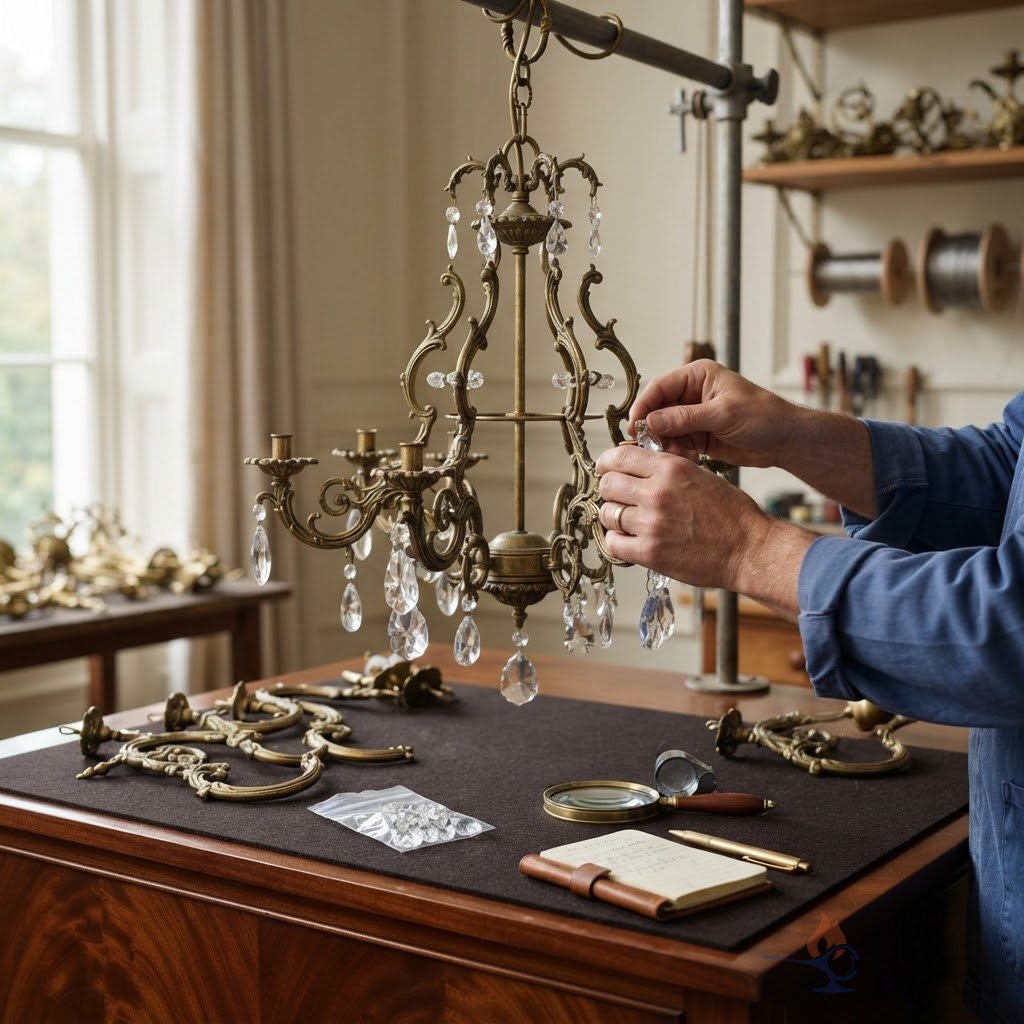
What Defines a Quality Napoleon Style Brass Lighting Manufacturer
A reputable Napoleon style brass lighting manufacturer discloses materials clearly. Solid brass versus brass-plated steel is the most fundamental distinction, and a responsible maker will specify this without being asked. Solid brass fixtures carry more weight, develop a natural patina, and resist corrosion better than plated alternatives. A brass light fixture supplier that avoids this question is likely cutting material corners.
Empire lighting production involves specific craftsmanship — the symmetrical arm arrangements, classical urn forms, and laurel motifs that define the Napoleon style require skilled metalworking. Stamped and die-cast components look convincing in photos but lack the depth and finish quality of hand-cast or CNC-machined pieces. Asking the manufacturer about their production methods reveals whether the fixtures are crafted or merely assembled.
Quality Control and Consistency
For project specifiers ordering multiple fixtures, consistency is critical. A Napoleon style brass lighting manufacturer should be able to deliver fixtures with uniform finish color, consistent arm alignment, and matching glass shade tones across a full order. Batch-to-batch variation is a sign of inadequate quality control. A brass light fixture supplier with strong QC processes provides finish samples before production runs.
Finish quality is another variable. Brushed brass should have a consistent grain direction. Polished brass should show no pitting or orange peel texture. Antique brass should have an even patina without blotchy areas. Empire lighting production that skips finishing steps or uses shortcuts (spray-on patina instead of chemical treatment, for example) produces fixtures that look acceptable initially but age poorly.
Packaging and Shipping Standards
Brass lighting fixtures are heavy and fragile — glass shades, crystal elements, and thin brass arms are all vulnerable to shipping damage. A Napoleon style brass lighting manufacturer with experience in export packaging uses custom foam inserts, individual shade wrapping, and reinforced carton corners. A brass light fixture supplier that ships fixtures in generic packaging is gambling on carrier handling.
For international orders, documentation matters. A manufacturer should provide material certificates, finish specifications, and packing lists that match the actual shipment. Empire lighting production that cuts corners on documentation creates headaches at customs and complicates warranty claims.
Communication and Lead Times
A responsible Napoleon style brass lighting manufacturer communicates lead times honestly and provides production updates. Standard lead times for custom brass lighting range from 6 to 12 weeks depending on complexity and order volume. A brass light fixture supplier promising 2-week delivery on custom pieces is either cutting corners or overcommitting.
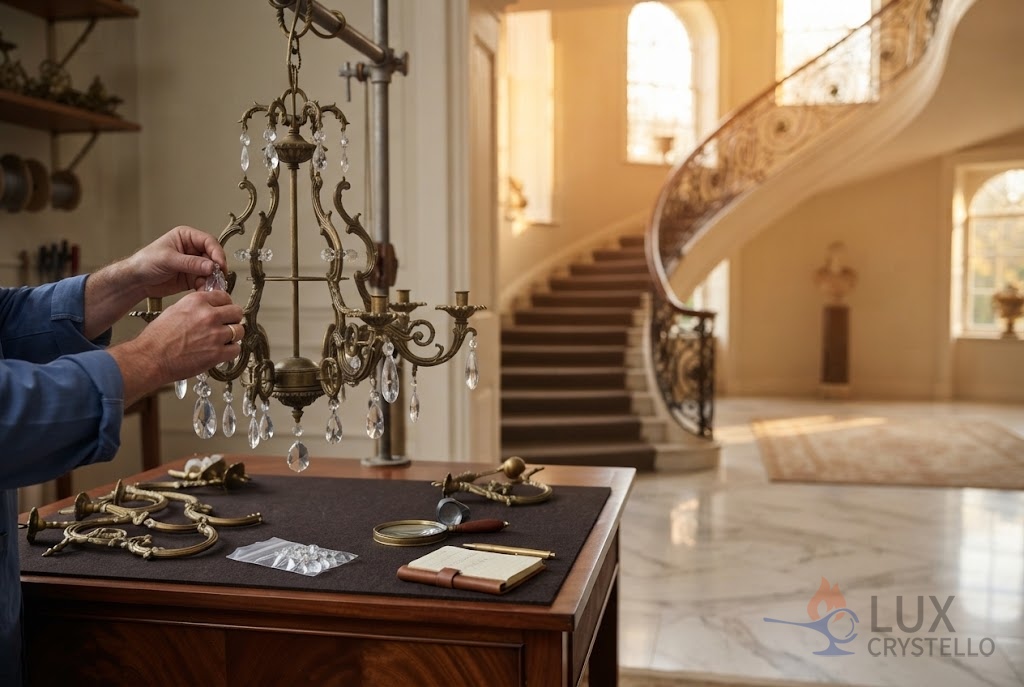
After-sales support matters too. Replacement parts — glass shades, crystal drops, brass components — should be available months or years after the original order. Empire lighting production that treats each order as a one-off transaction leaves buyers stranded when parts need replacement.
Manufacturer Vetting Checklist
| Feature | Option A | Option B |
|---|---|---|
| Material Disclosure | Clear — solid brass specified | Vague — ‘brass finish’ only |
| QC Process | Documented, sample-based | Inconsistent, batch variation |
| Packaging | Custom foam, reinforced | Generic, minimal protection |
FAQ
How do I verify a manufacturer uses solid brass?
Request material certificates or ask for a sample piece. Solid brass is noticeably heavier than plated steel and develops a natural patina over time. A magnet test can also help — brass is not magnetic, while steel cores will attract a magnet.
What is a reasonable lead time for custom Napoleon style lighting?
Standard lead times range from 6 to 12 weeks for custom pieces. Rush orders under 4 weeks typically involve compromises in finishing or quality control.
Can I get replacement parts years after ordering?
Reputable manufacturers maintain parts inventory for their standard product lines. Custom or one-off pieces may have limited replacement availability — confirm this before ordering.
Conclusion
Selecting a Napoleon style brass lighting manufacturer requires looking beyond product photos and price sheets. Material disclosure, production methods, quality control, packaging standards, and communication all indicate whether a maker produces fixtures worth specifying. The investment in vetting a manufacturer upfront prevents costly replacements and project delays down the line.
Sourcing Brass Lighting With Confidence
Napoleon style brass lighting manufacturer options vary widely in quality and reliability. Request material samples, ask about production methods, and verify packaging standards before committing to a production run. A brass light fixture supplier that meets these criteria becomes a long-term partner rather than a transactional vendor.