Every art-level lighting piece is developed through a structured process of brass craftsmanship, where French lighting craftsmanship and lost wax casting brass techniques work together to transform sculptural design into a refined and fully functional lighting system.
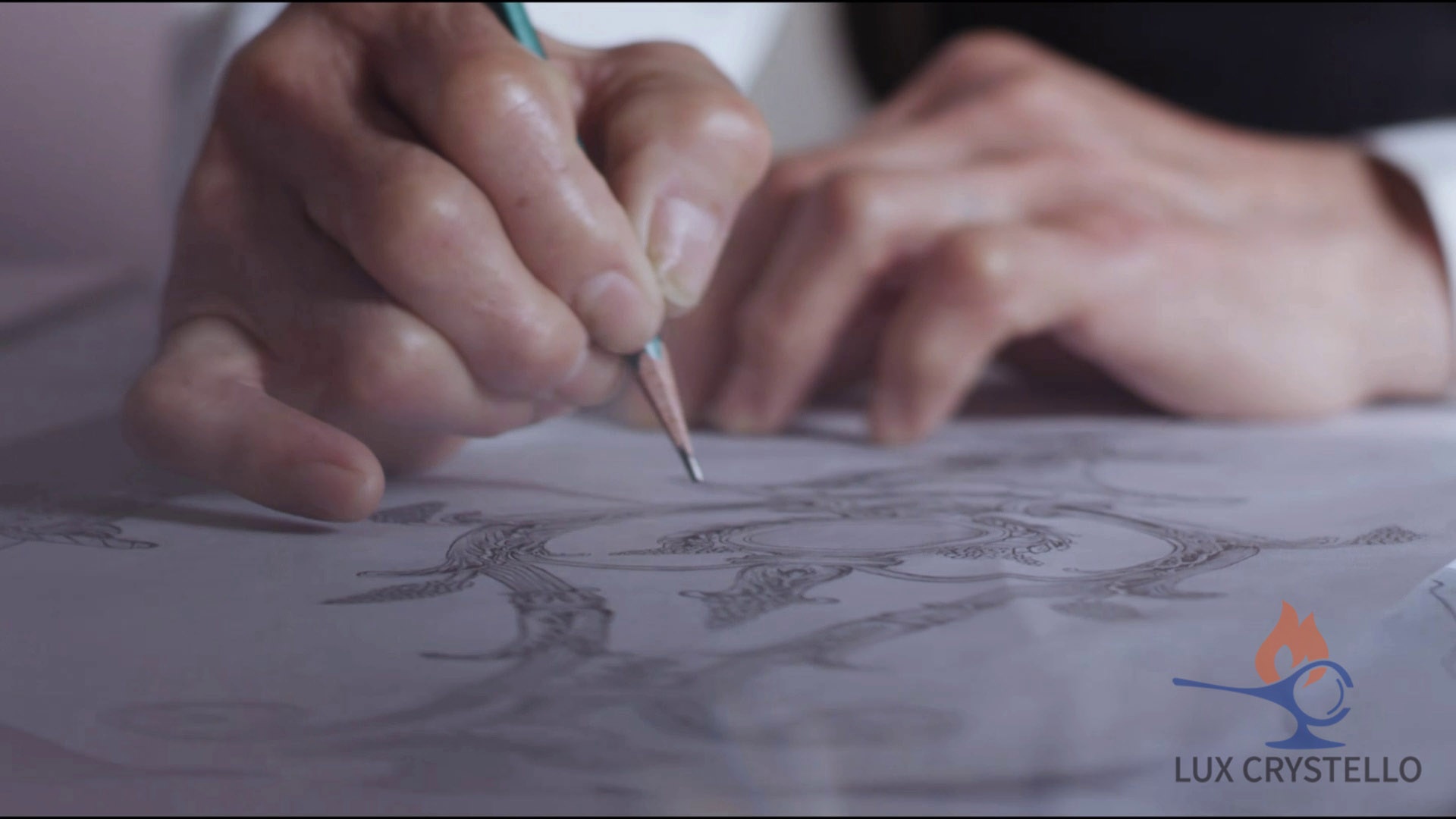
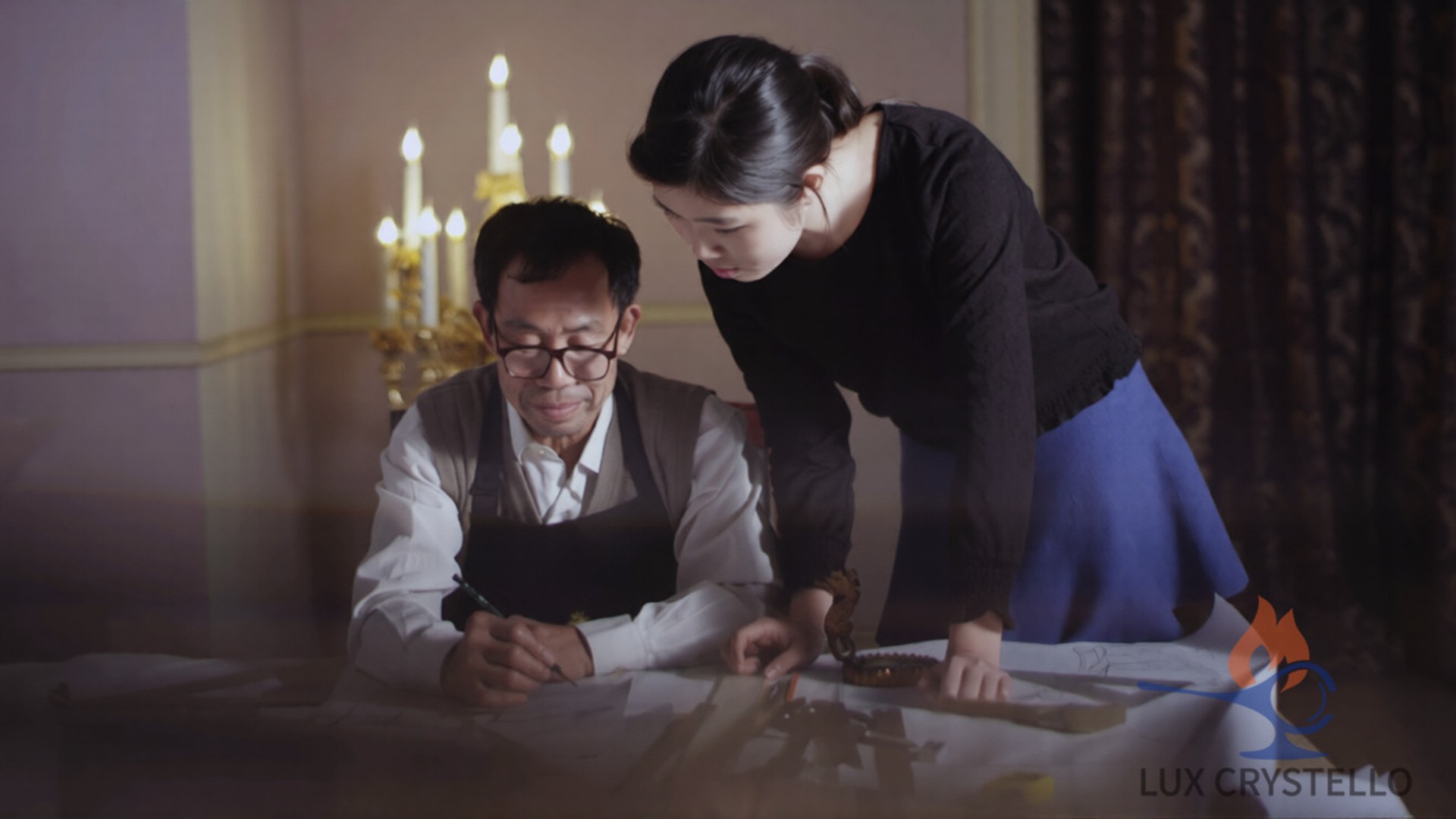
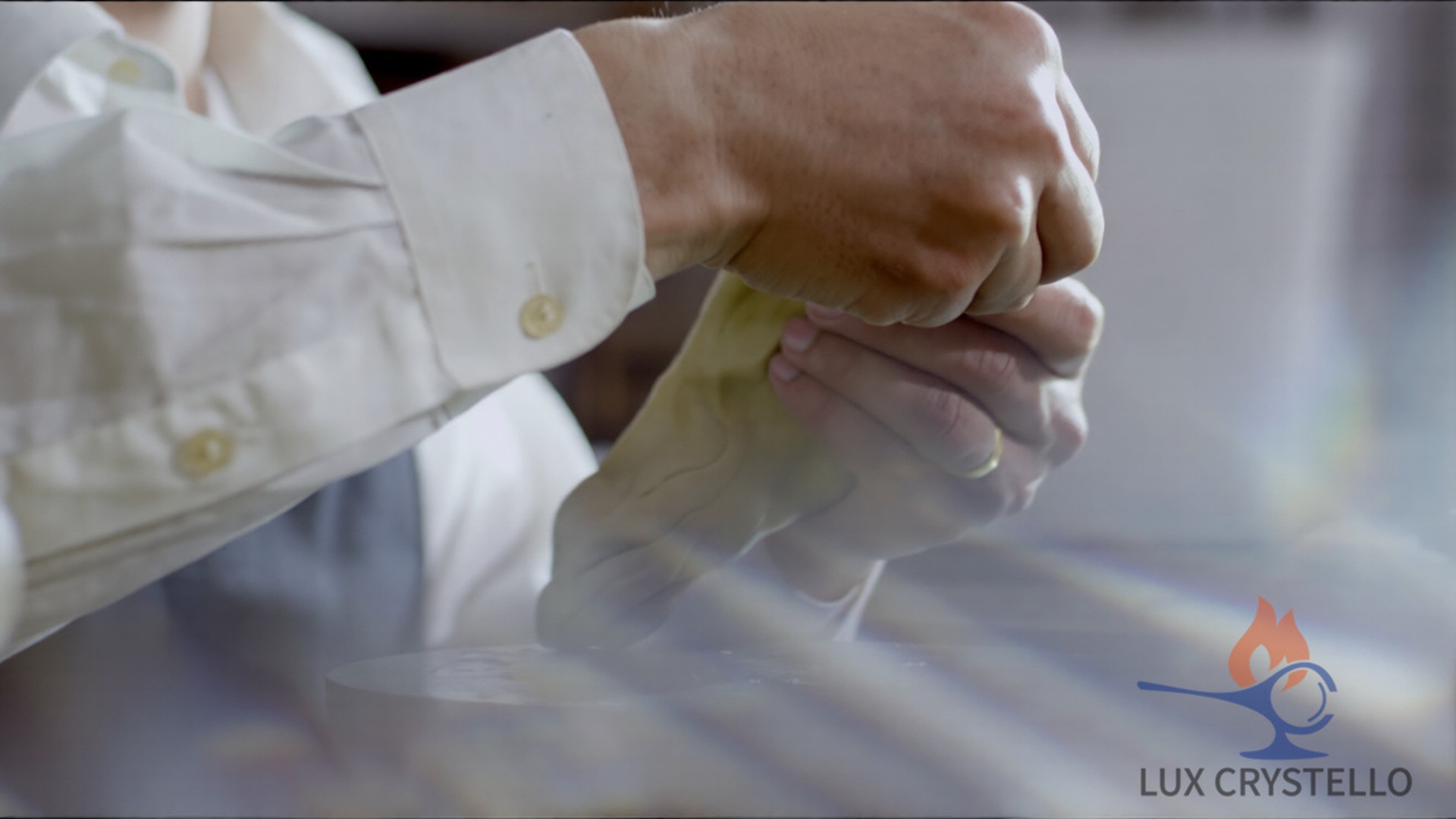
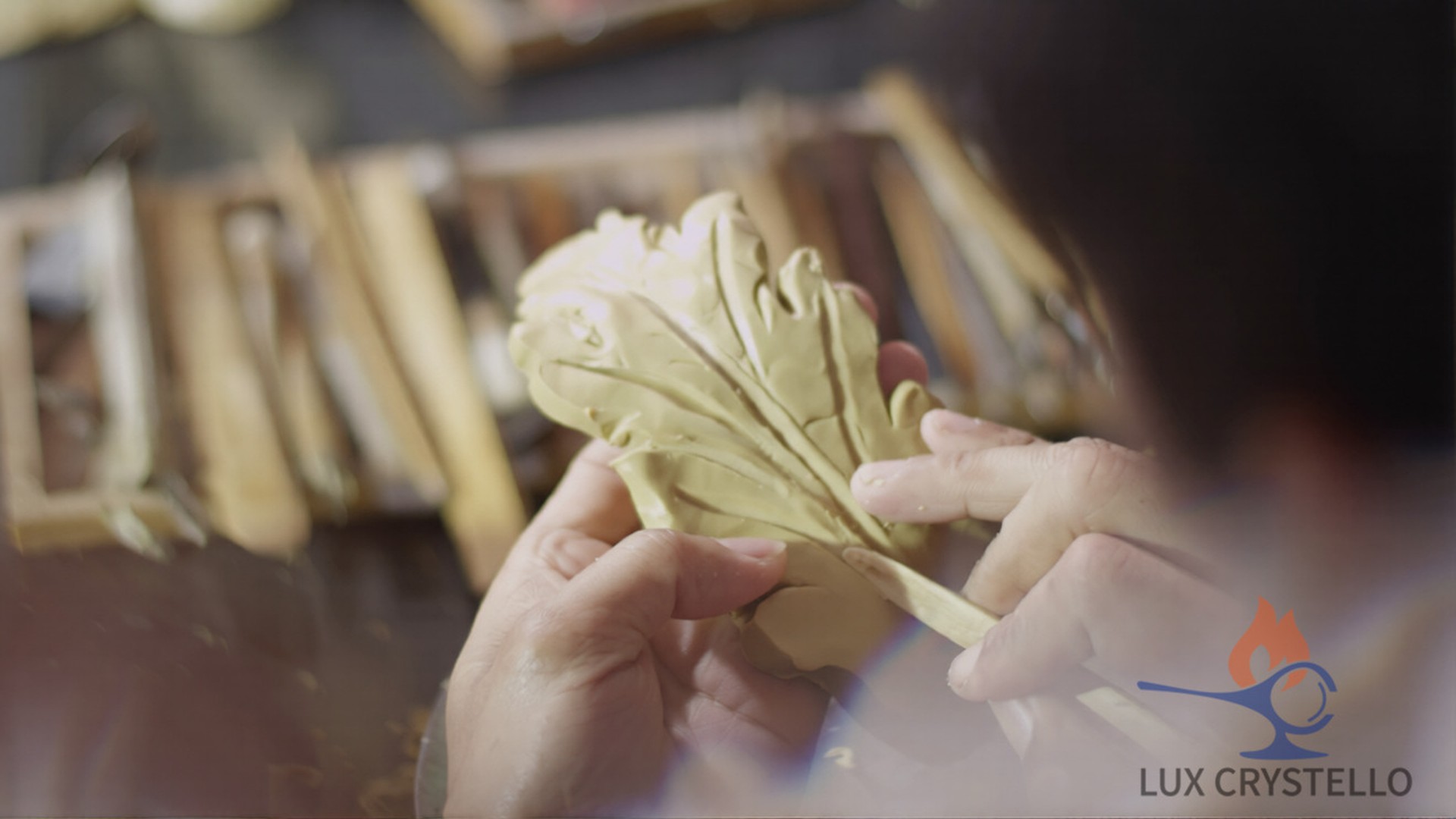
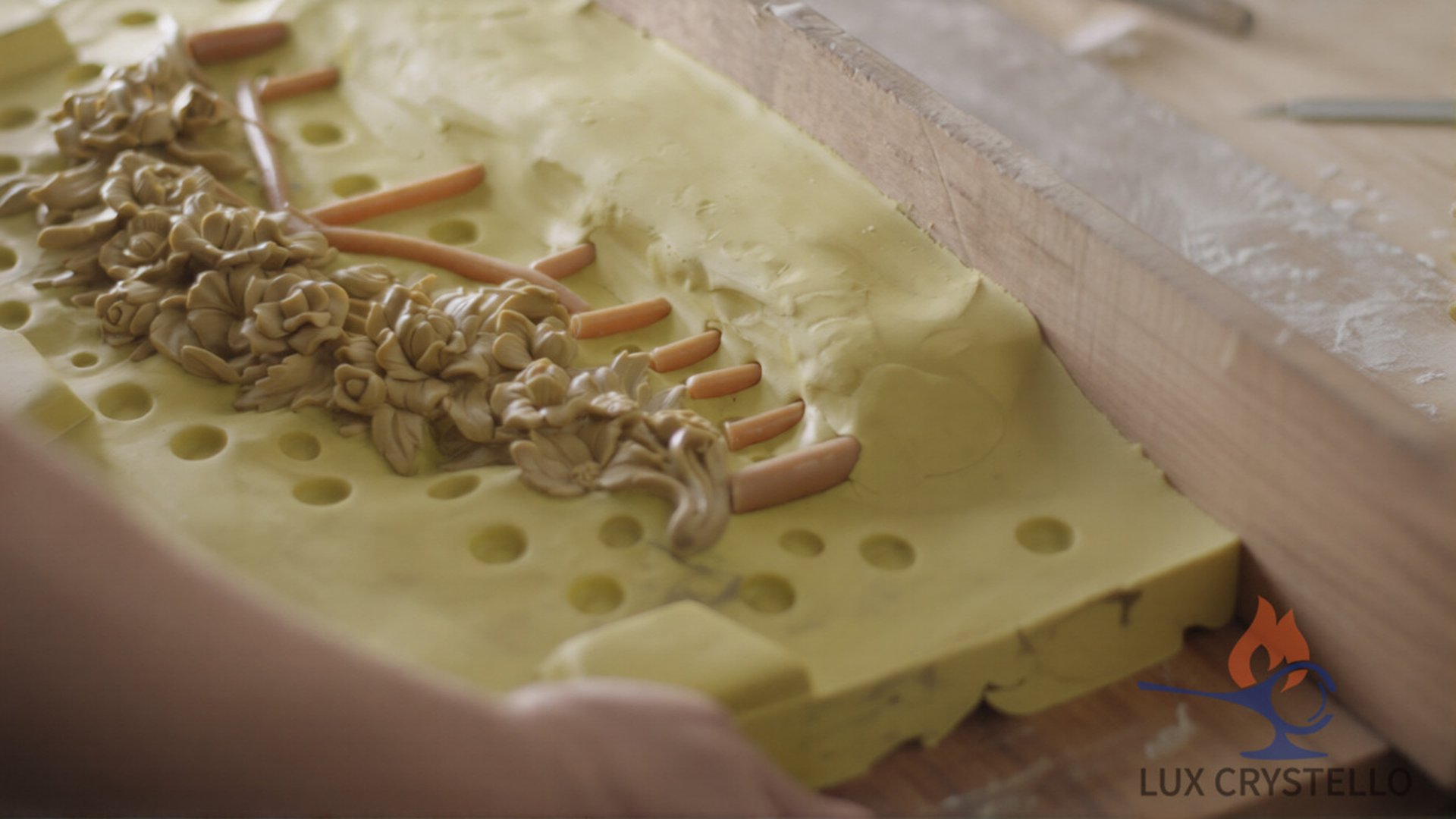
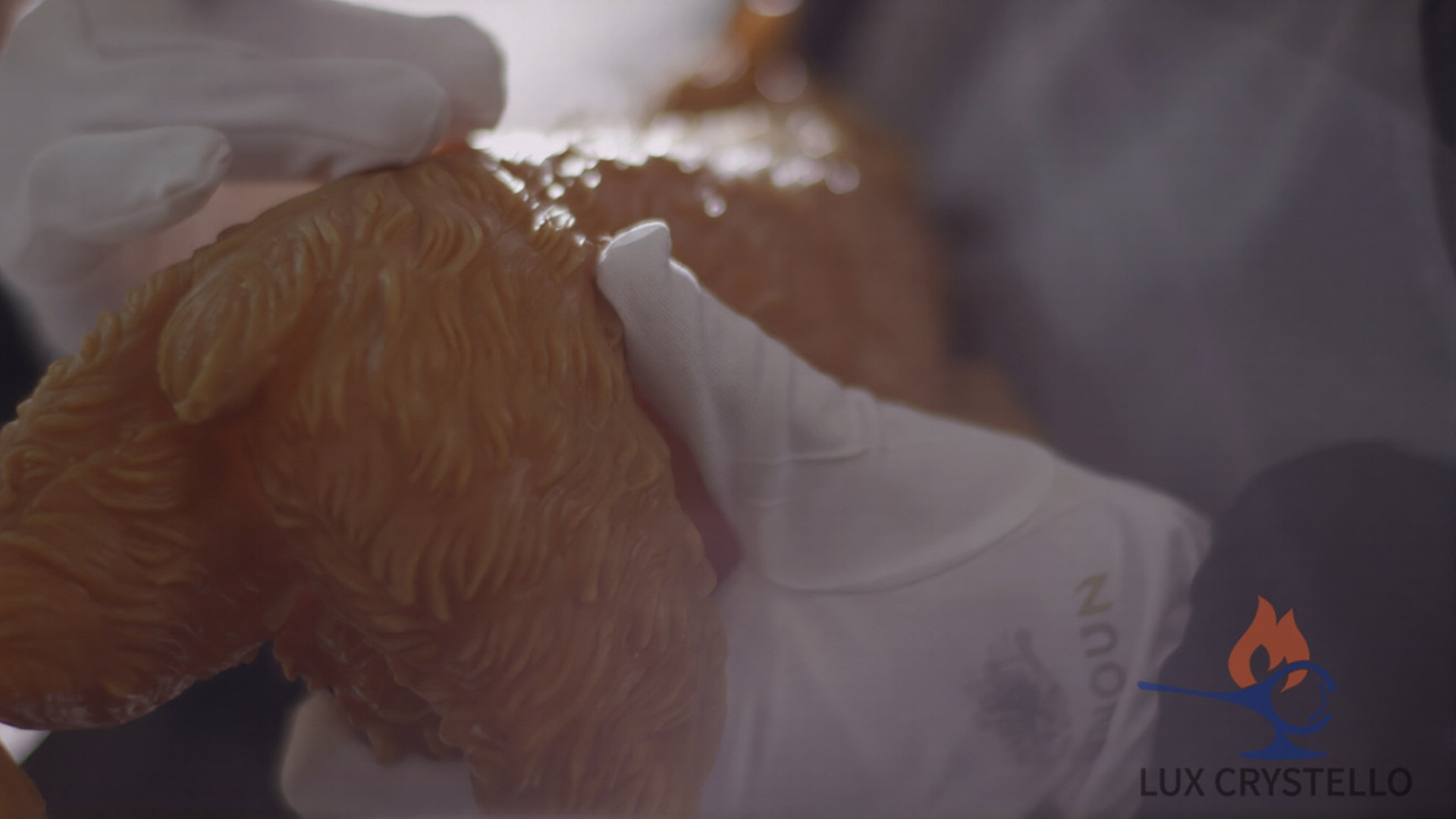
In French-style lighting production, ornamental form originates from technical drafting and sculptural modeling as part of French lighting craftsmanship. Design drawings define proportion, symmetry, and decorative structure, while clay modeling translates two-dimensional patterns into three-dimensional relief. This stage establishes the artistic geometry and structural feasibility required for precision casting, ensuring that every decorative element is both visually balanced and technically castable.
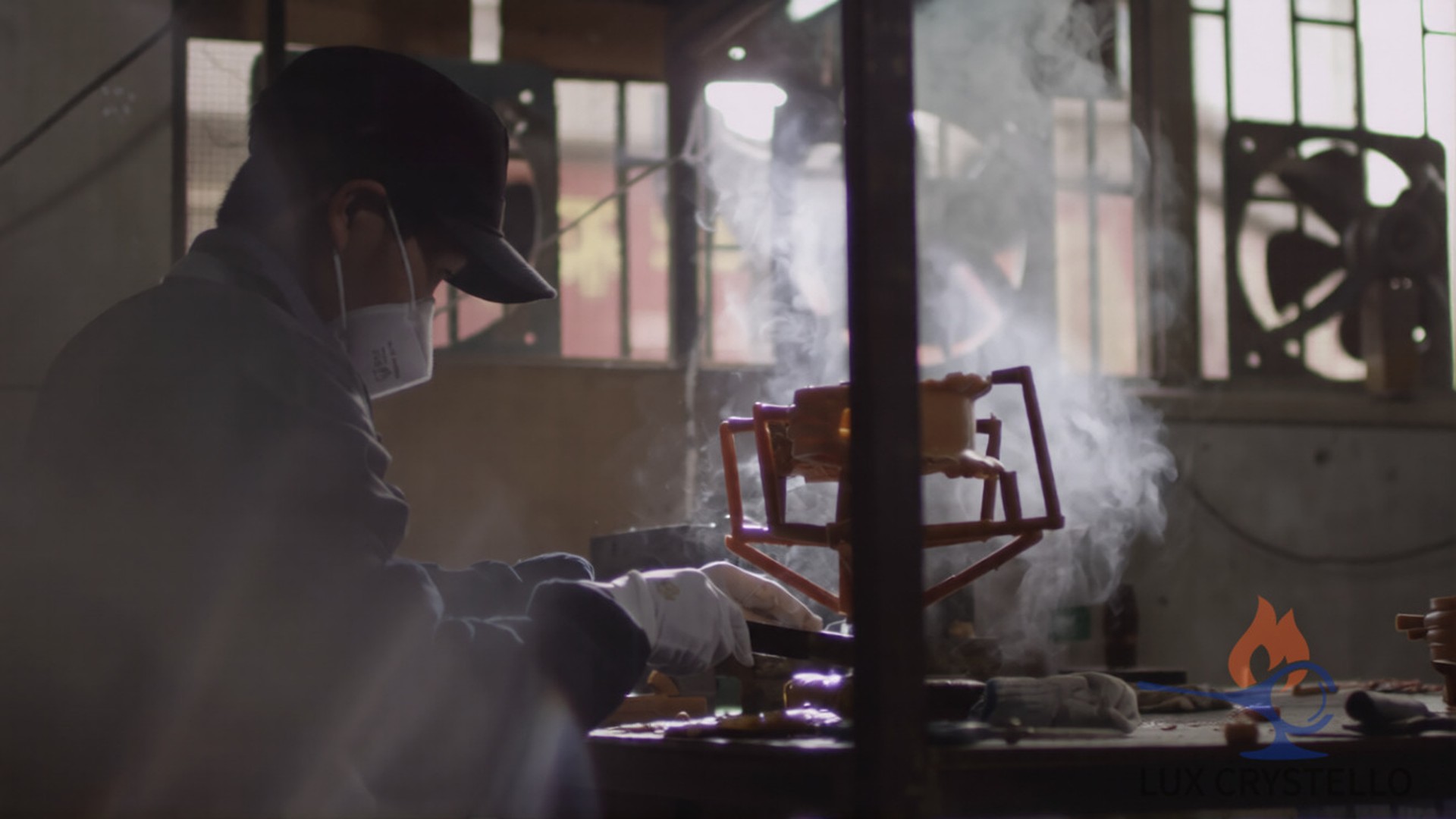
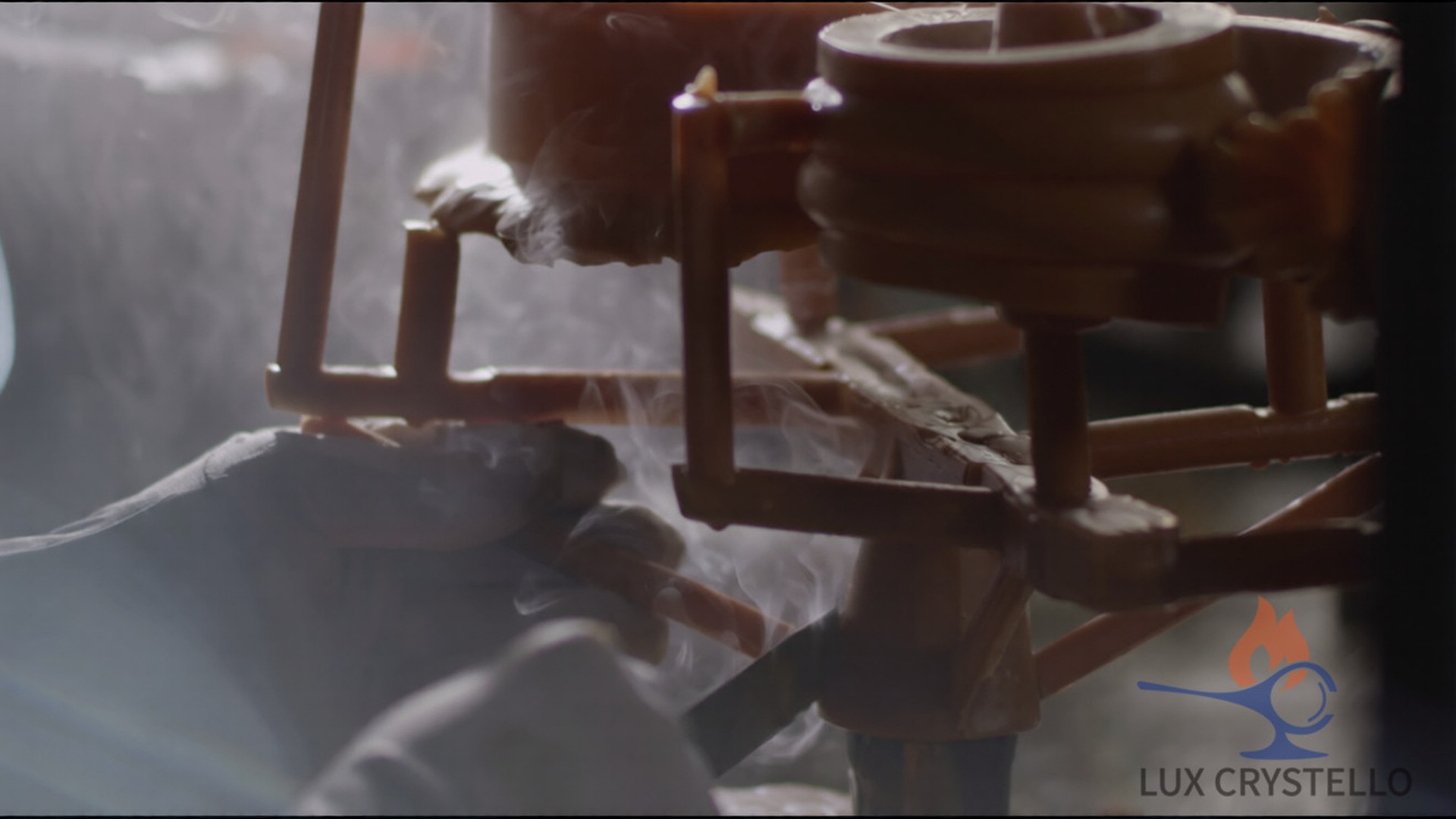
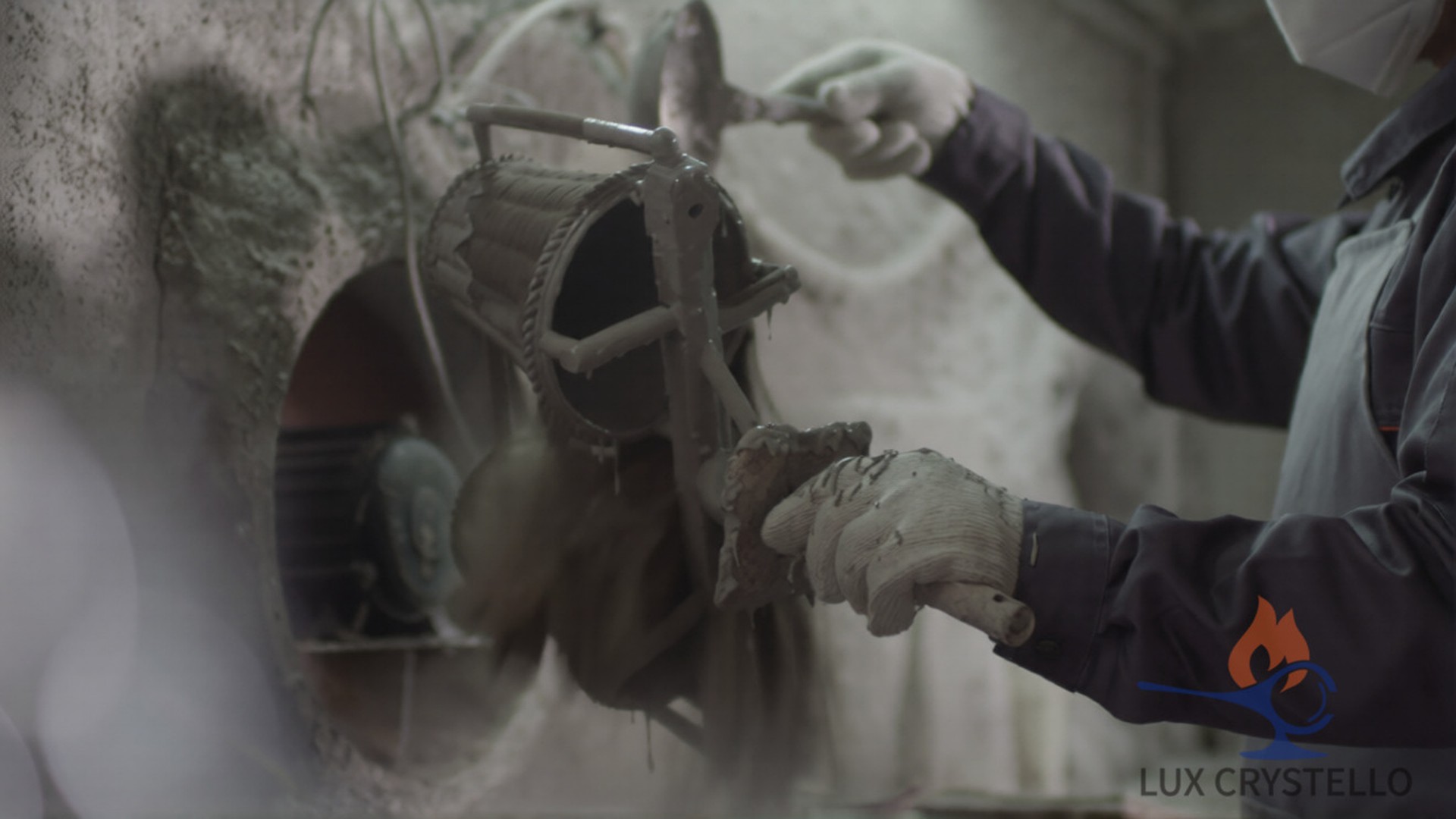
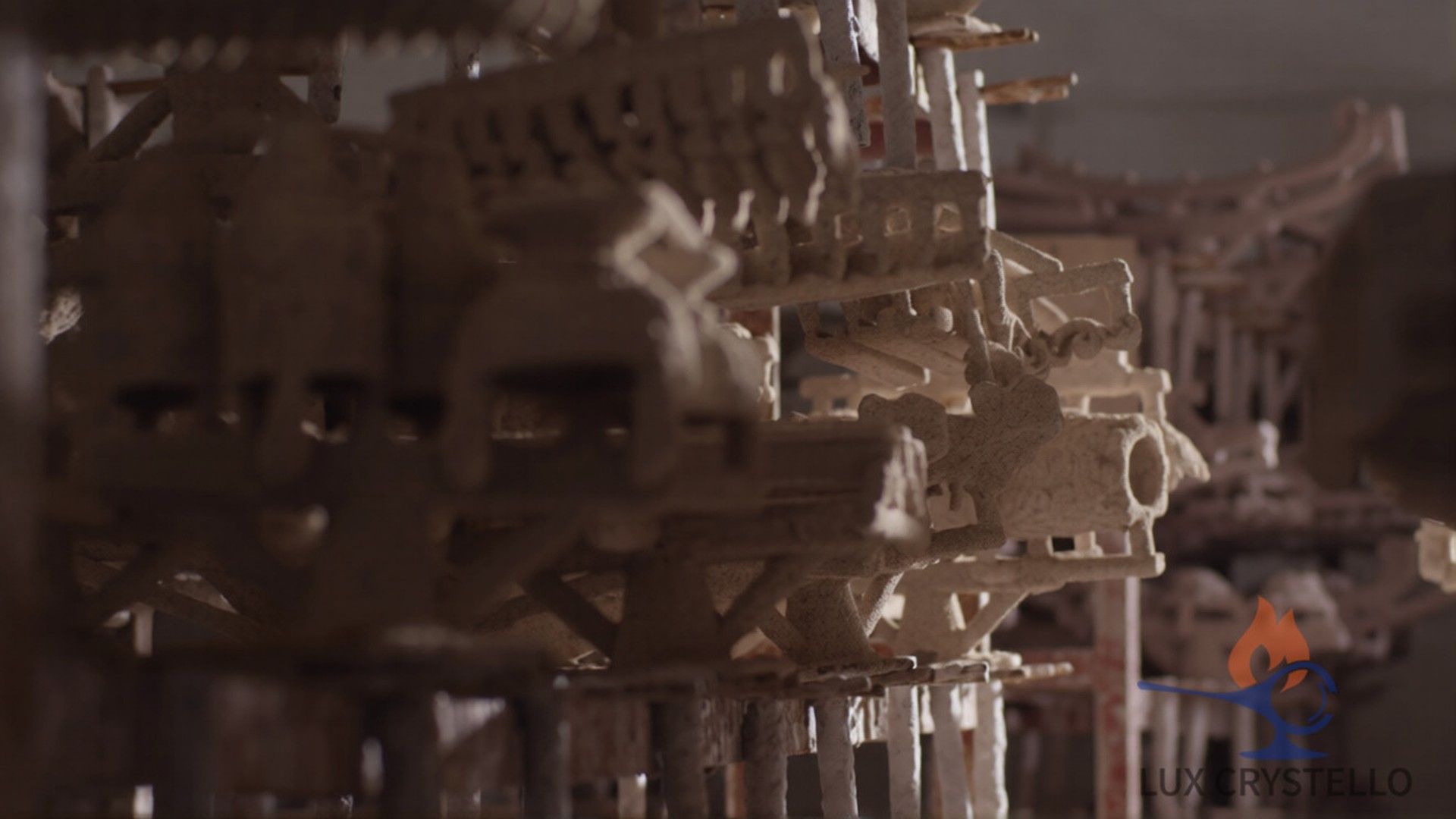
After sculptural forms are approved, wax replicas are produced and assembled into a gating tree system—an essential preparation step in lost wax casting brass. This structure determines metal flow paths and casting stability. The assembled wax tree is then invested and subjected to high-temperature dewaxing, where wax is removed to create internal cavities and channels. This step converts the artistic model into a functional casting system while preserving fine ornamental detail.
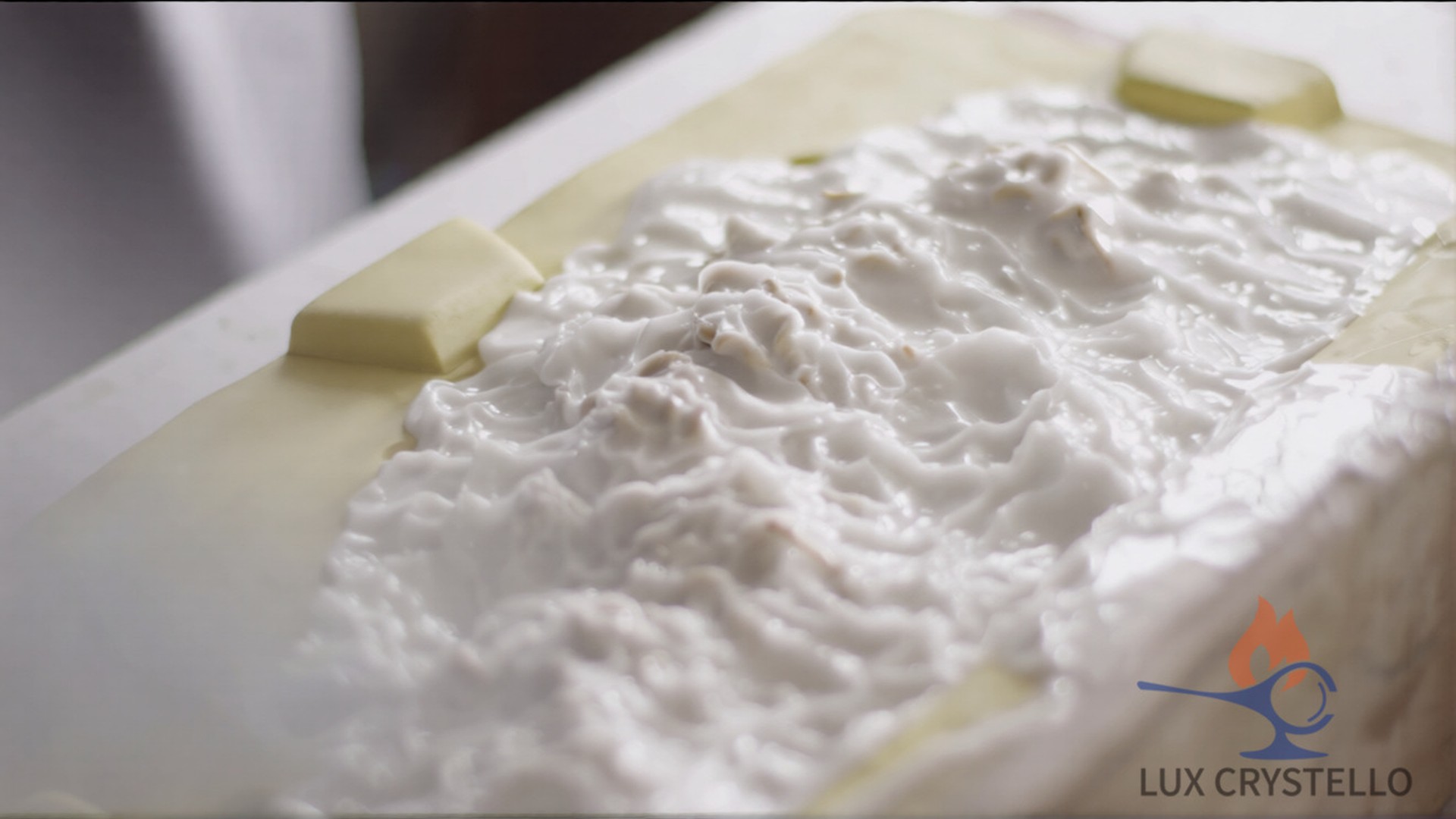
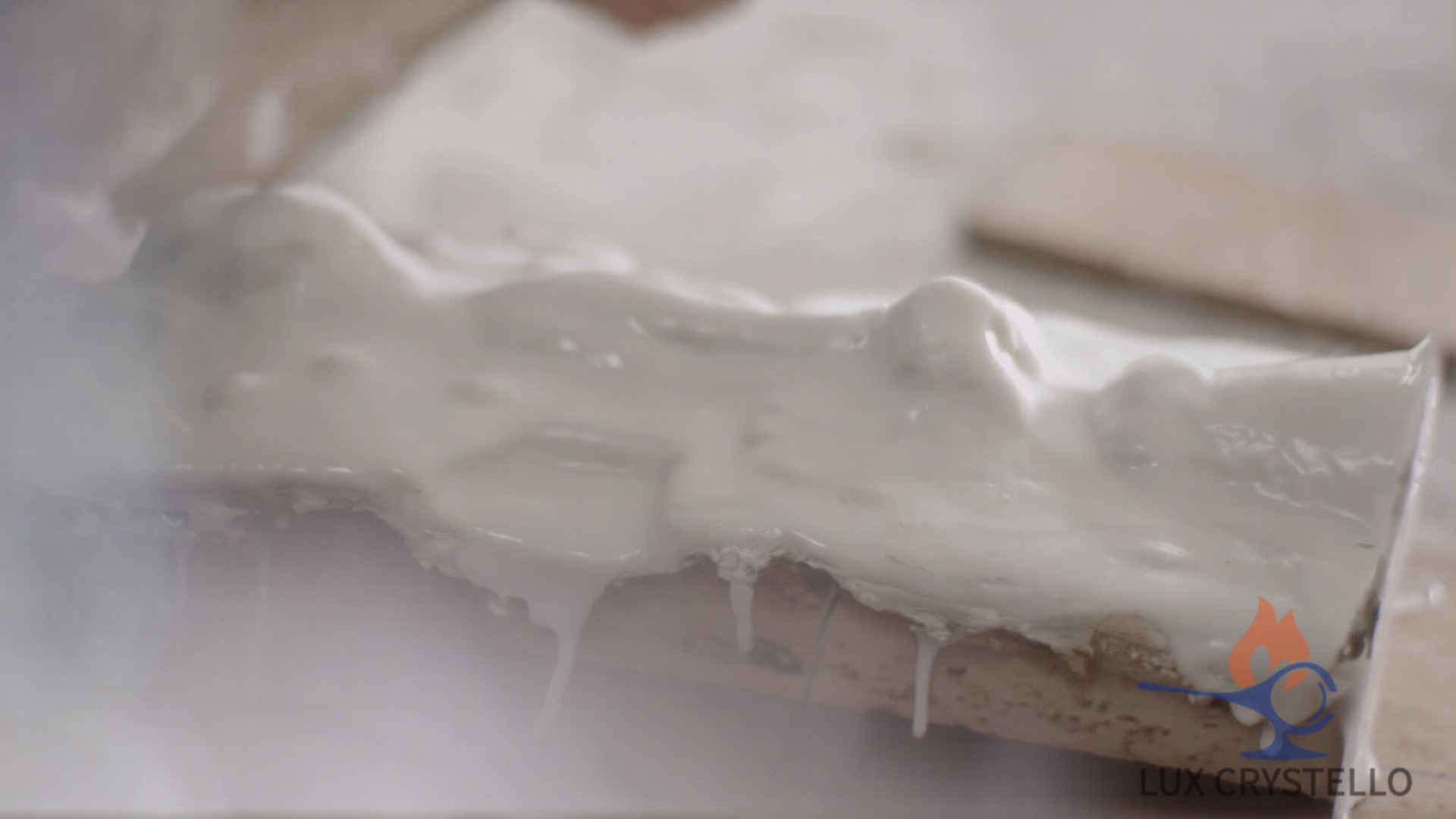
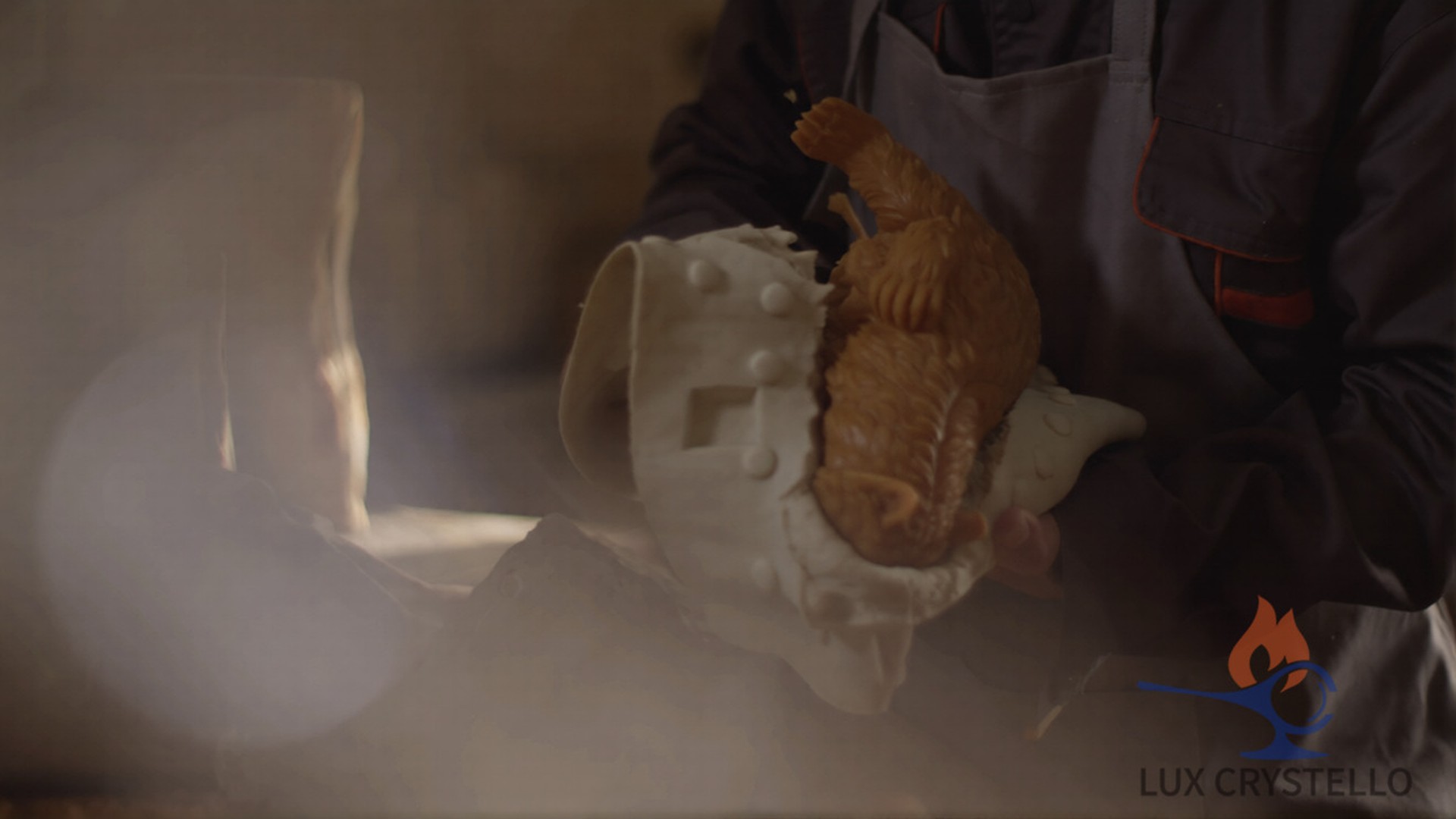
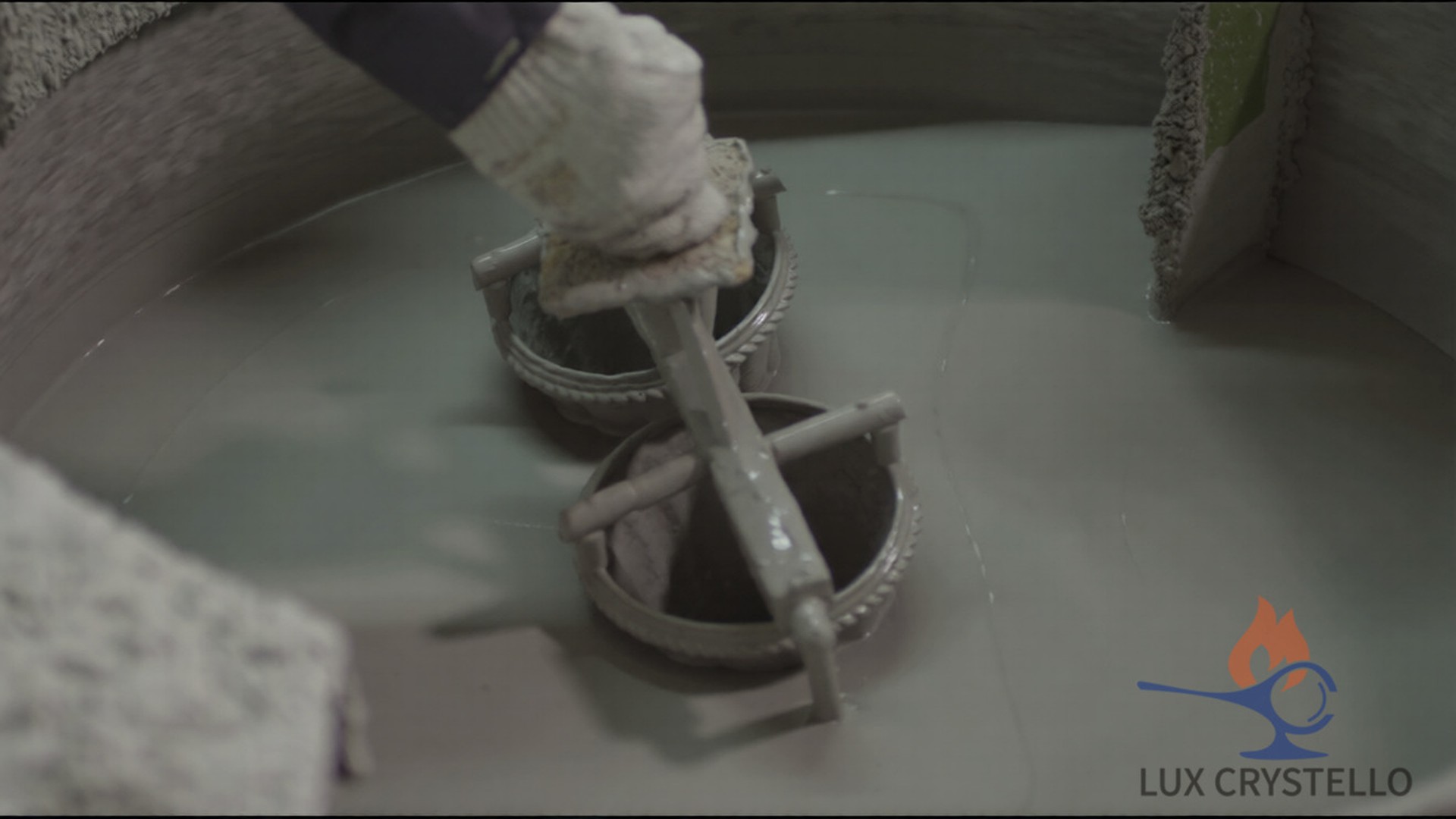
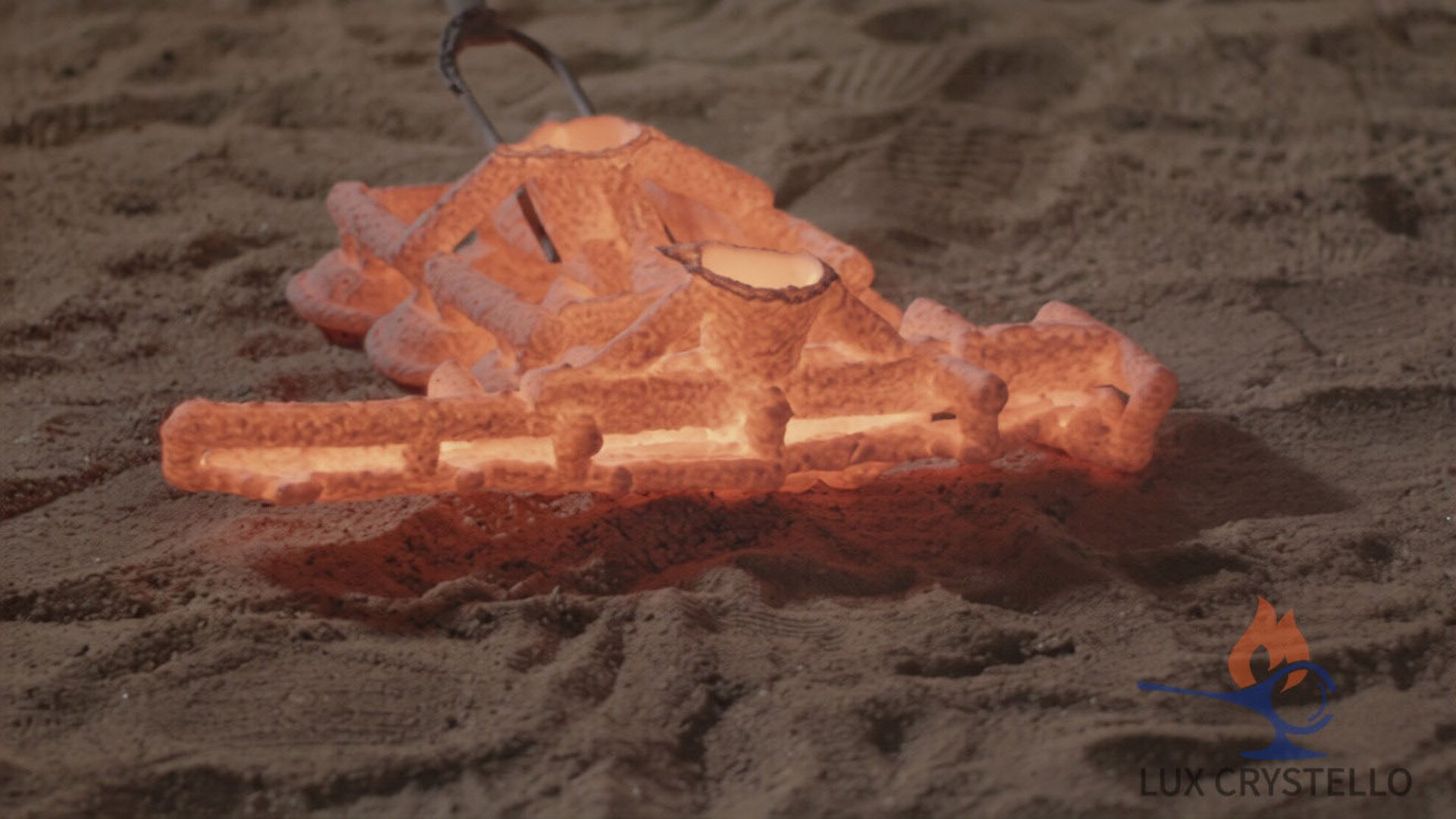
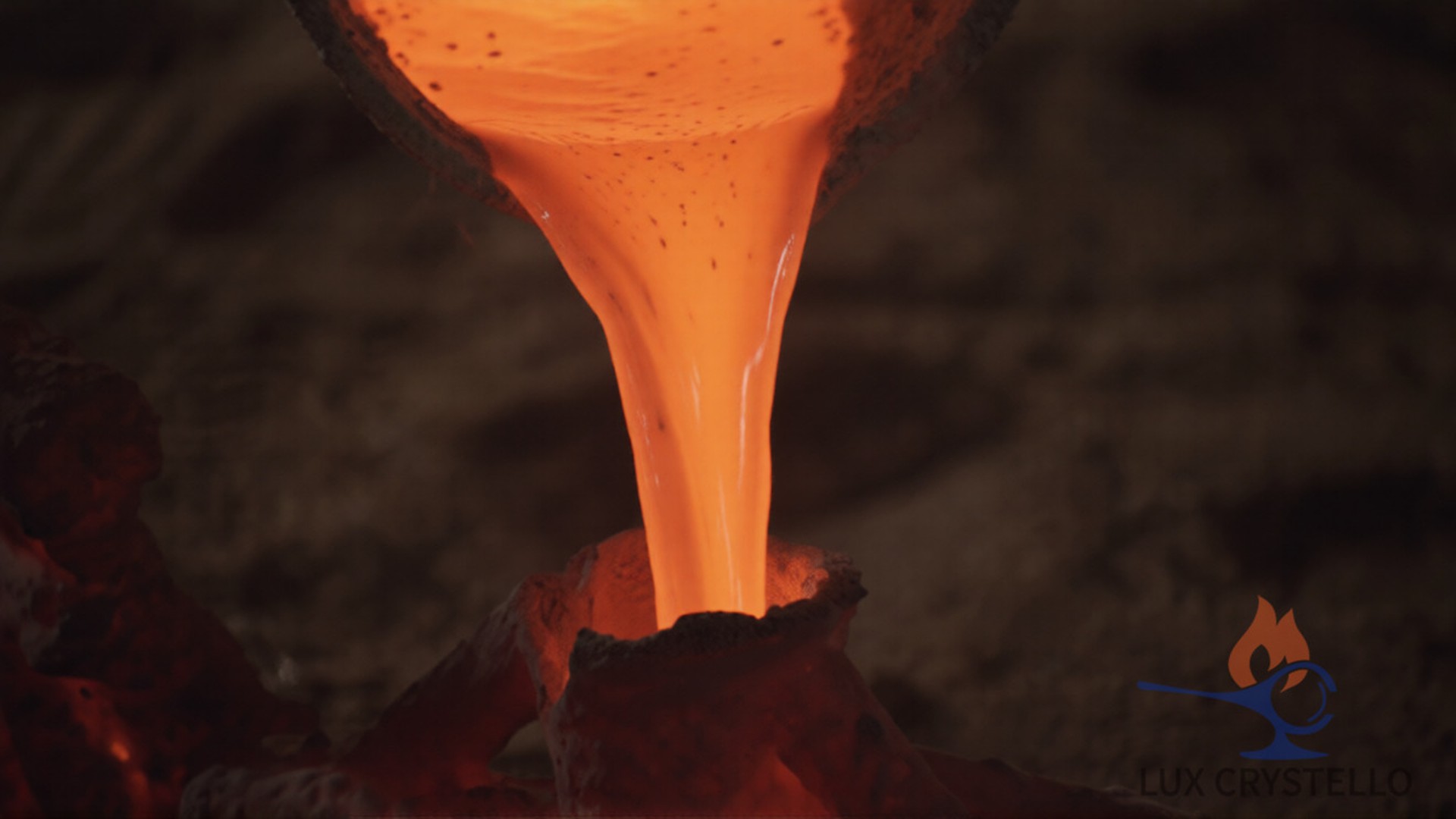
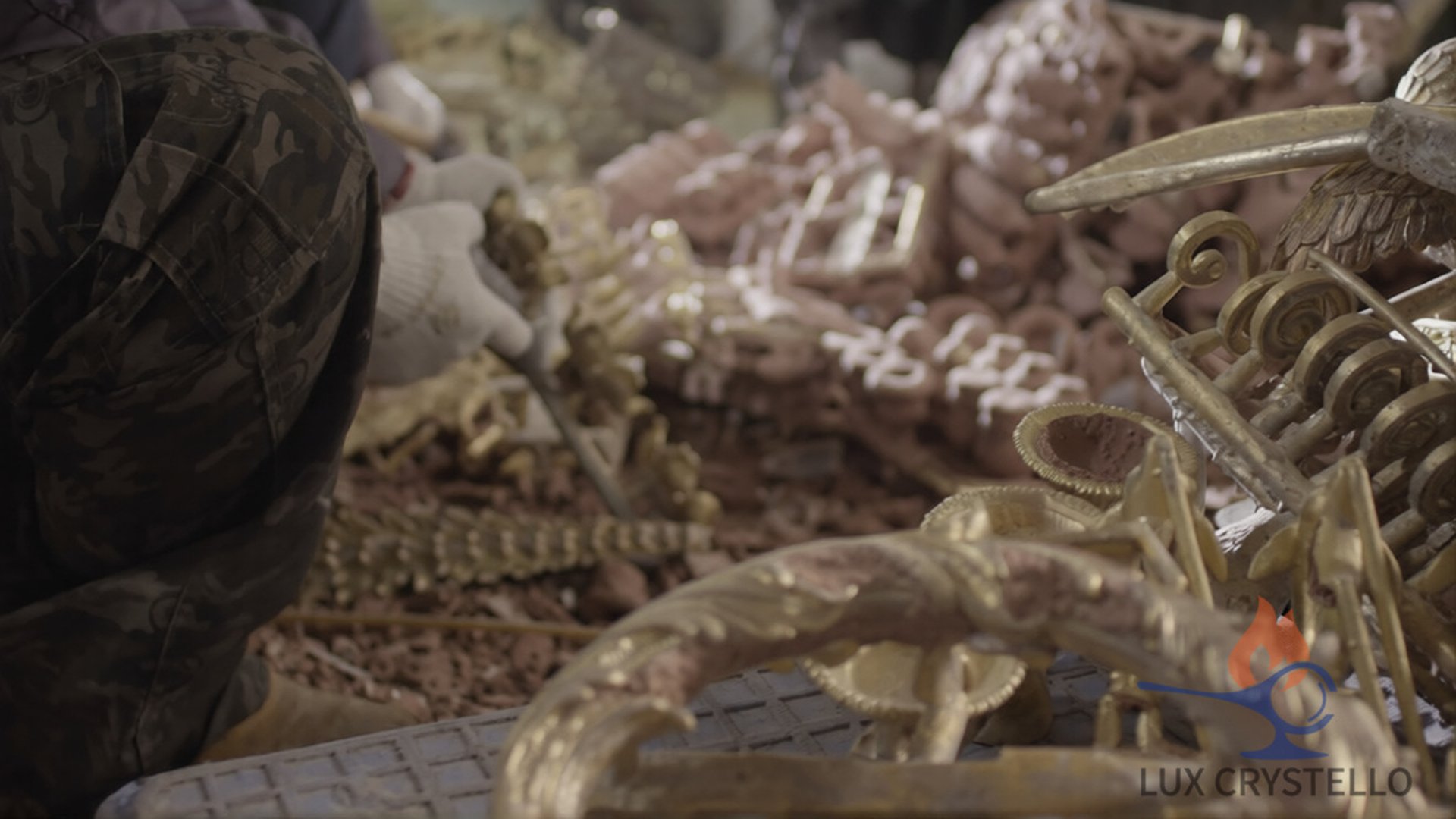
A multi-layer ceramic shell is formed around the wax assembly to create a high-temperature-resistant mold, continuing the controlled workflow of lost wax casting brass. After firing and preheating, molten bronze is poured into the cavity, filling intricate decorative recesses and structural profiles. Once solidified, the shell is removed, revealing the cast brass components. This stage marks the transition from mold-based form to permanent metal structure.
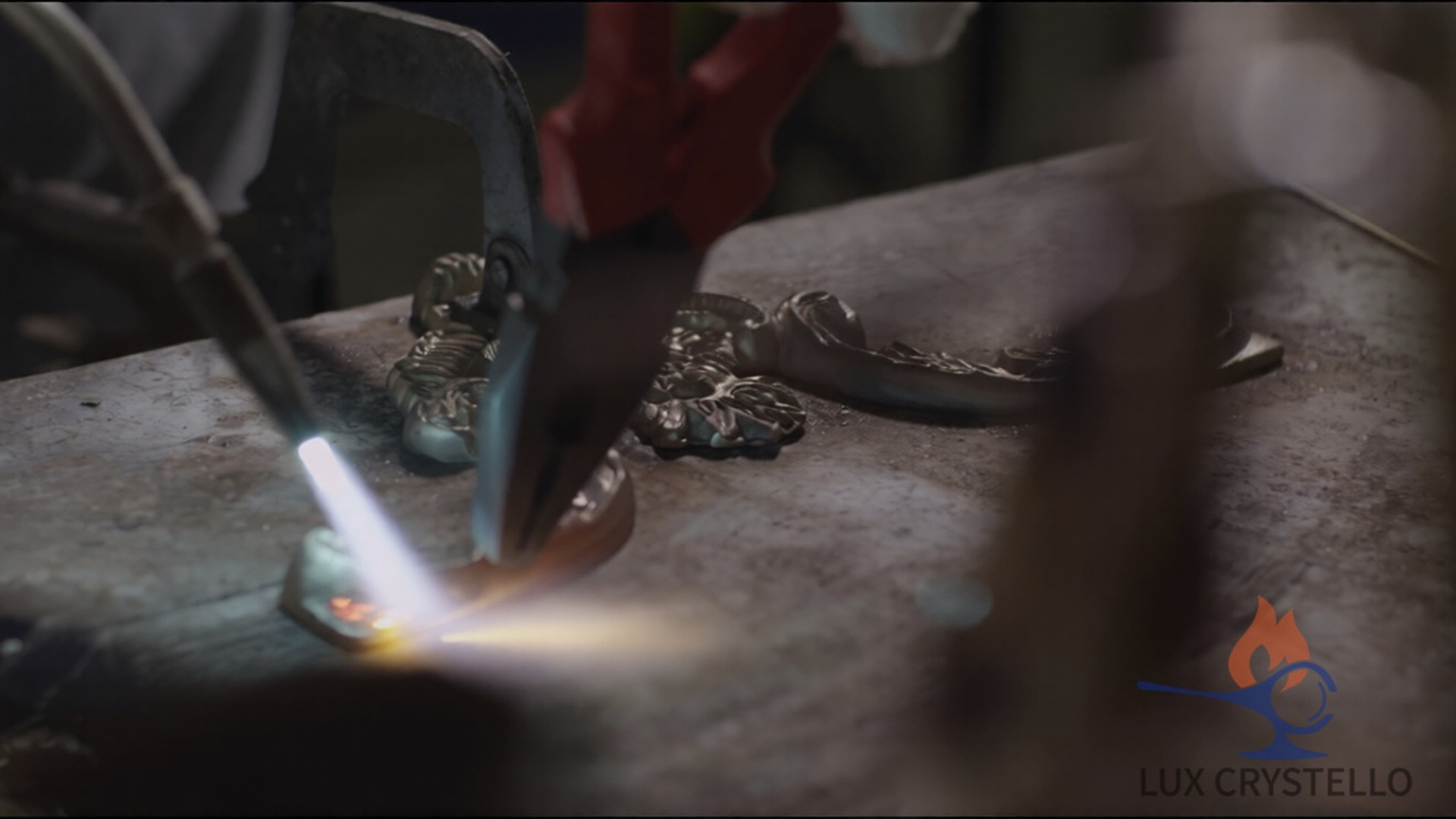
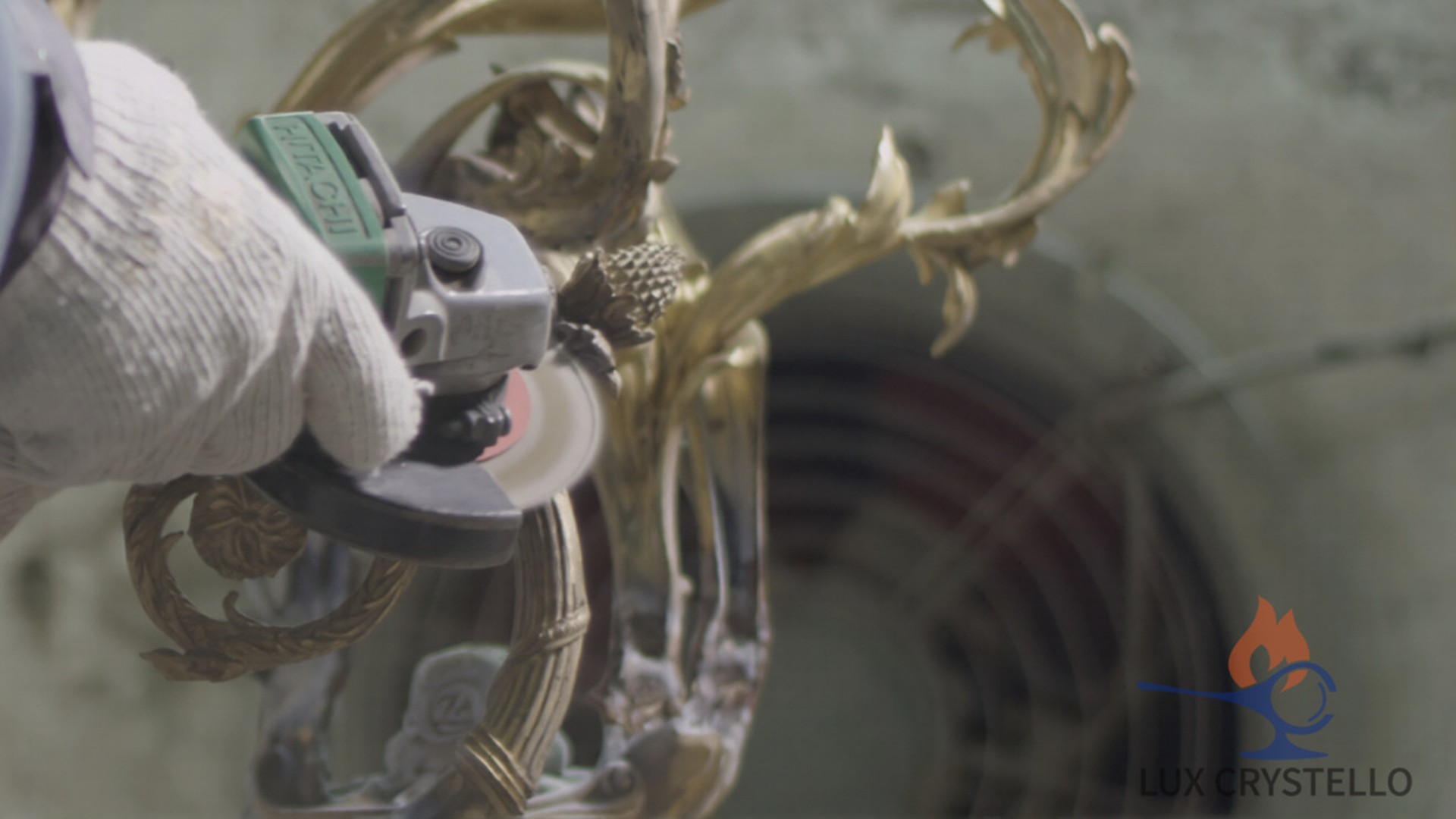
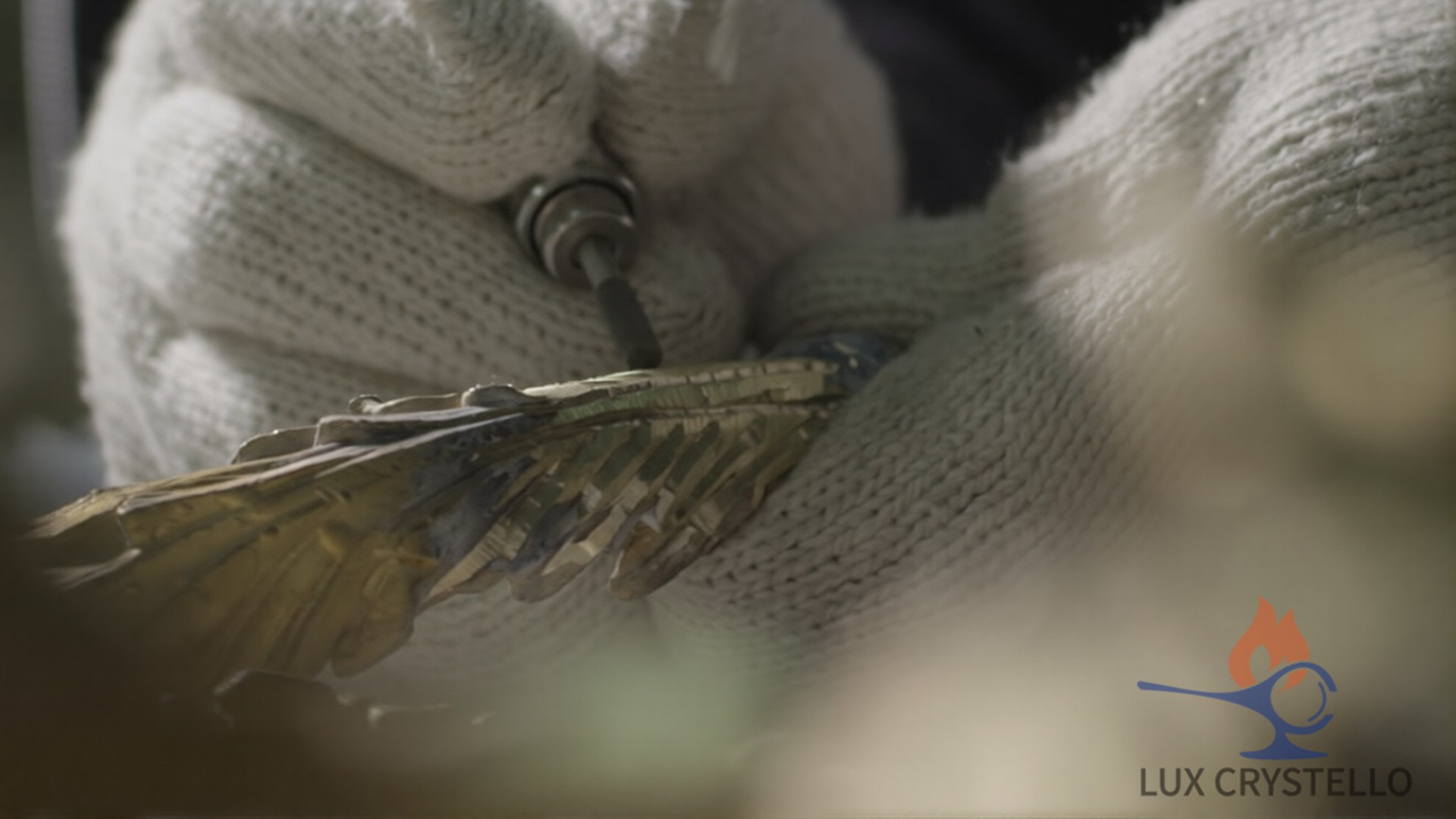
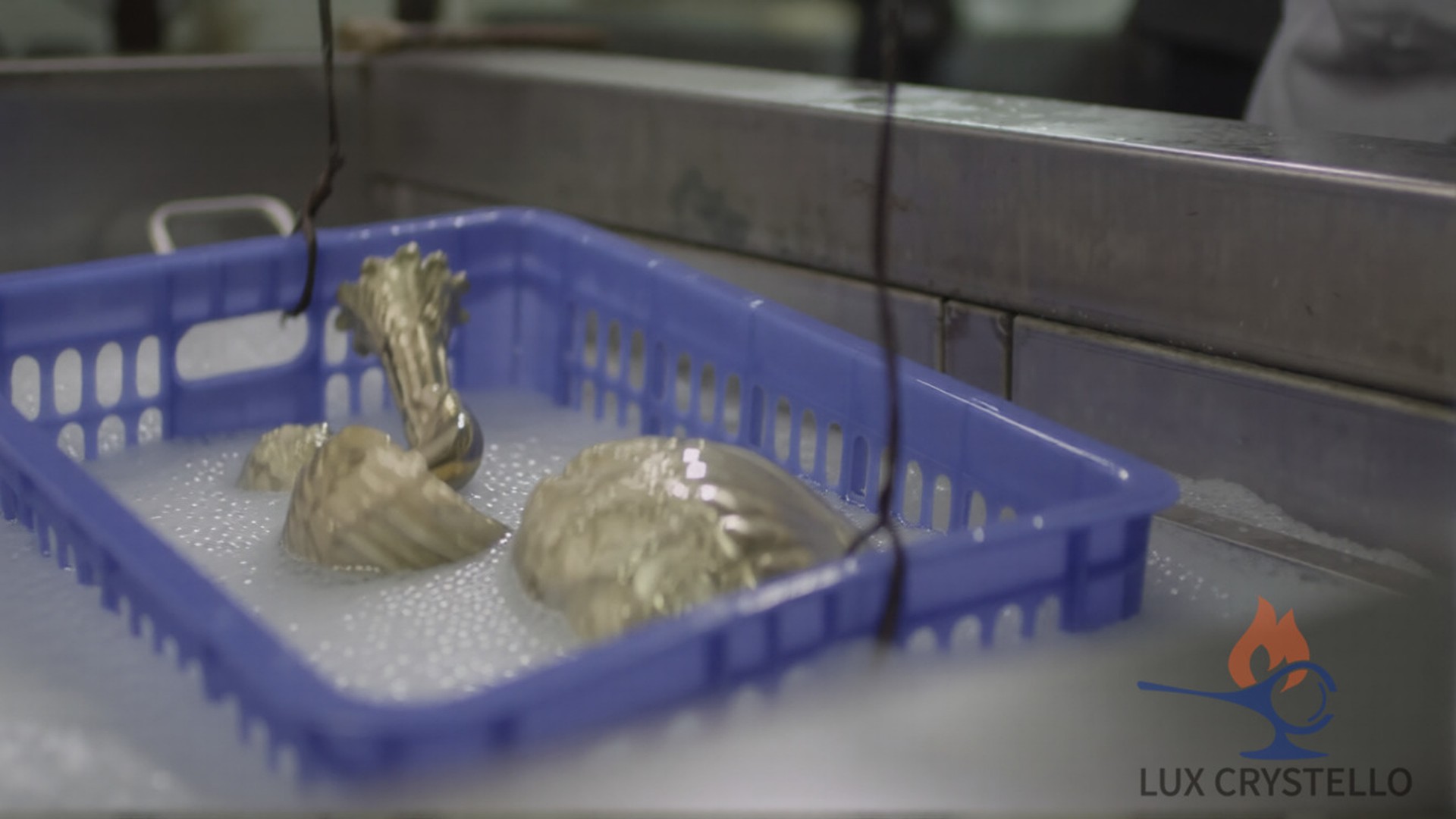
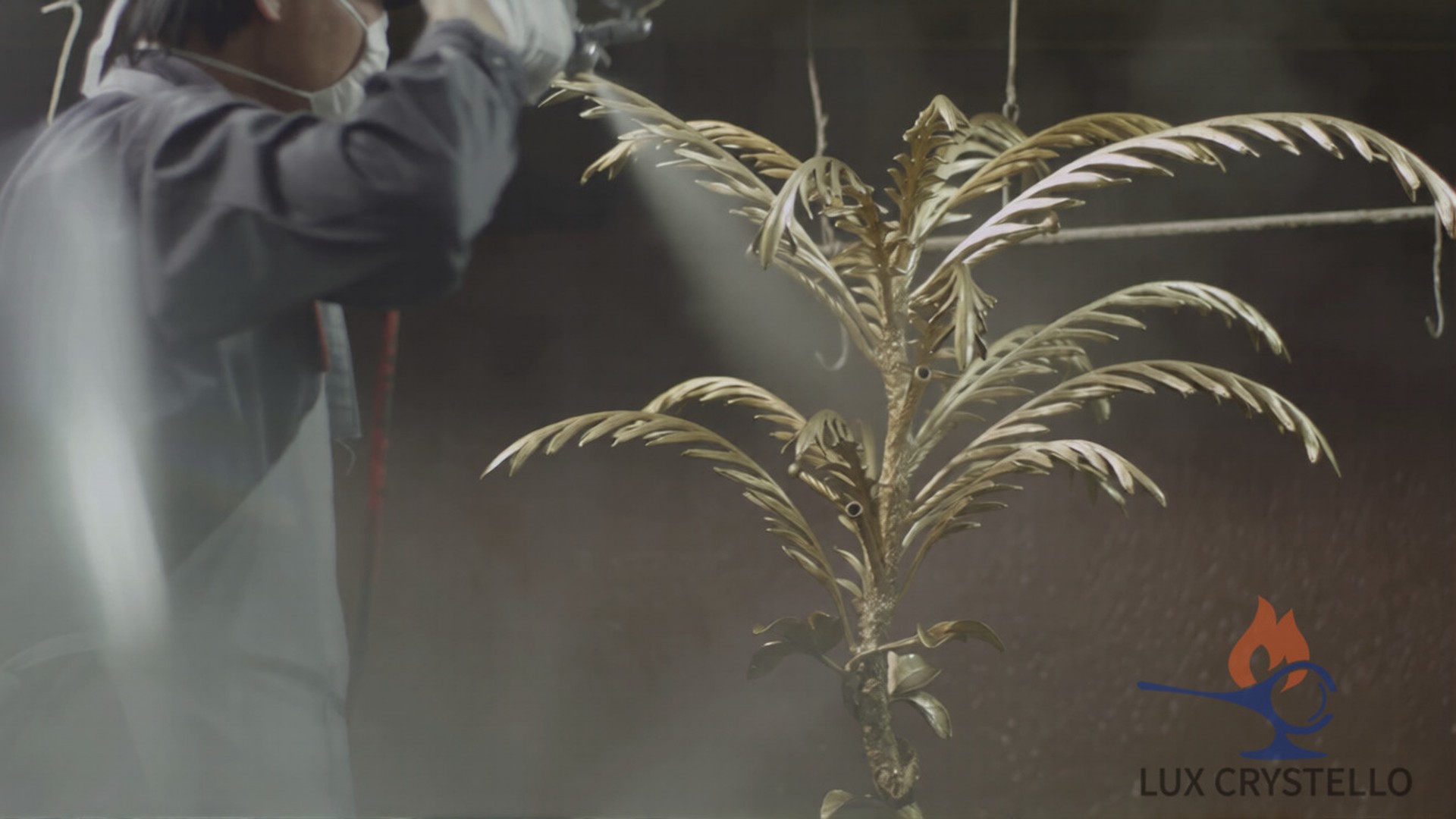
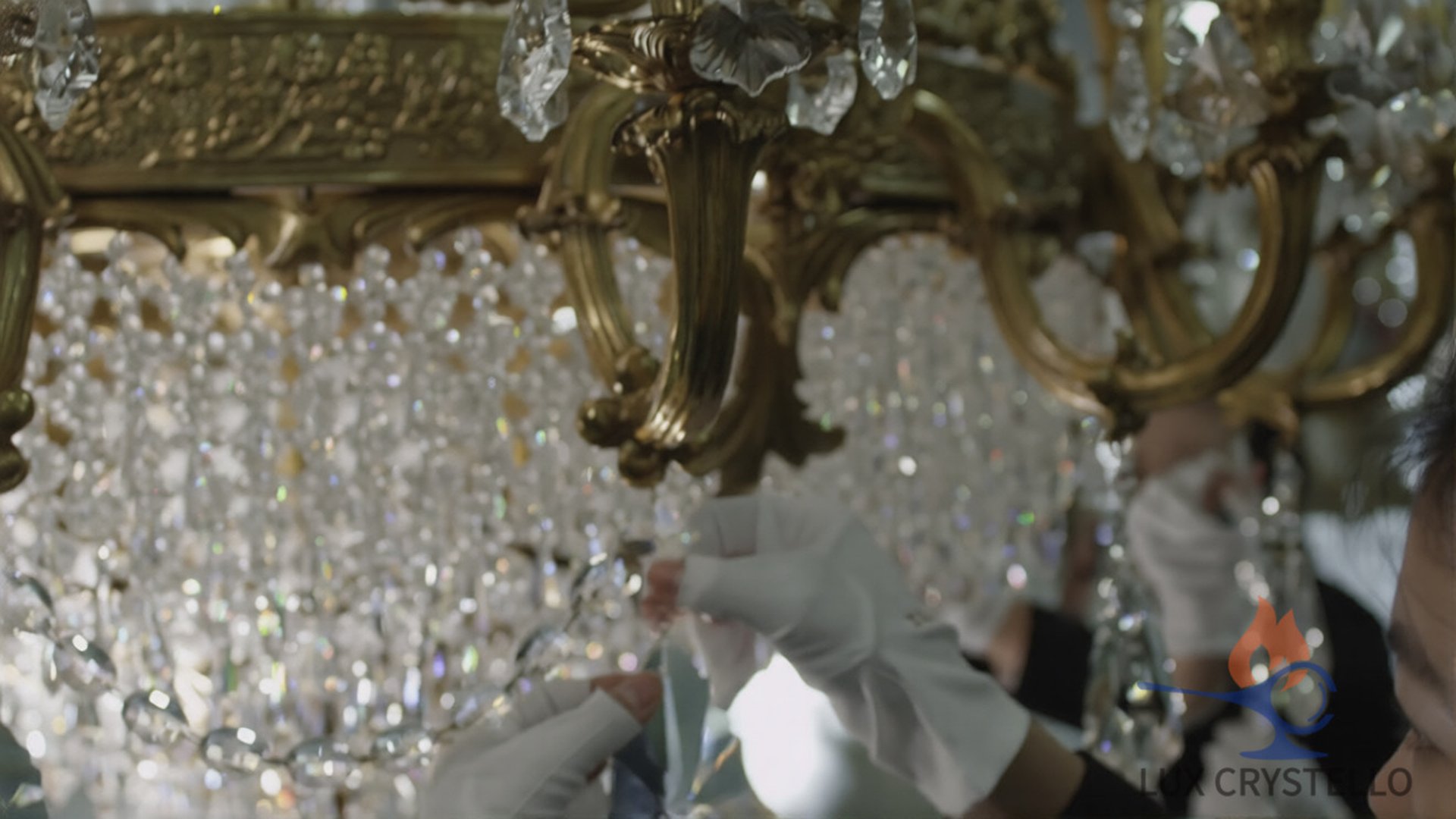
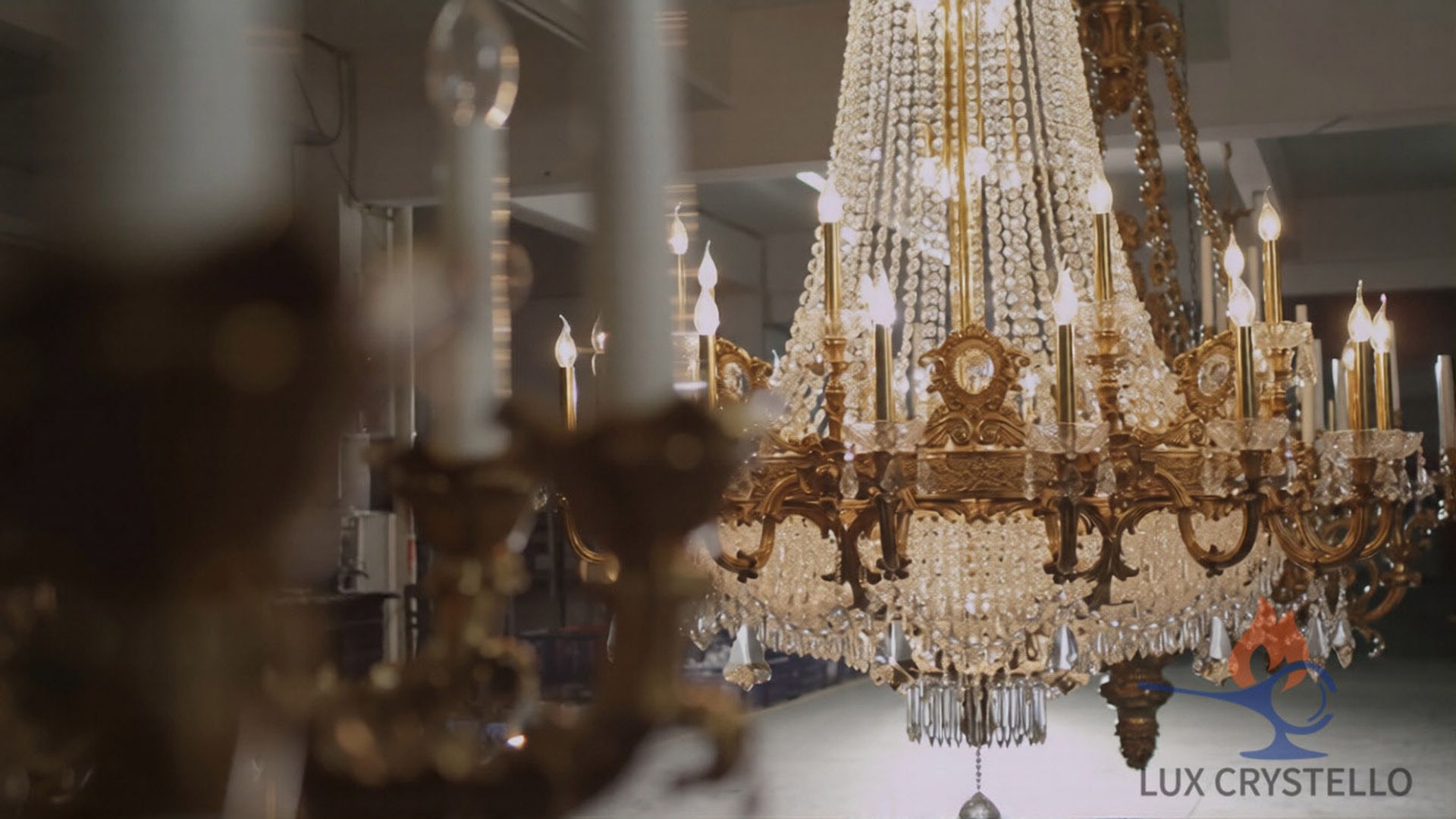
Cast components undergo gate removal, mechanical grinding, and manual detail refinement to restore sculptural clarity—steps where brass craftsmanship becomes most visible. Surface preparation and finishing processes—such as cleaning, patination, and protective coatings—define the final visual character of the brass. The chandelier structure is then assembled, crystal elements are installed, and electrical functionality is tested, completing the transformation from cast metal to fully operational French-style lighting.
Lux Crystello applies these four structured stages of brass craftsmanship to transform French-style lighting from an artistic concept into an engineered metal structure, and ultimately a fully assembled illumination system. Each phase—modeling, casting preparation, metal formation, and surface refinement with final assembly—supports both aesthetic accuracy and functional reliability. The result is more than decorative lighting: it is a controlled integration of sculptural detail, materials discipline, and production management that reflects the standard expected in high-end French brass lighting.
WhatsApp us