
Blogpost keywords: brass lamp casting process, brass lamp manufacturing, hand-casting brass lamps
The brass lamp casting process plays a critical role in how decorative and functional lighting products are formed for commercial and residential use. For buyers evaluating long-term quality and cost efficiency, casting decisions influence structural integrity, surface consistency, and how well parts assemble during installation, especially in professional brass lamp manufacturing environments.
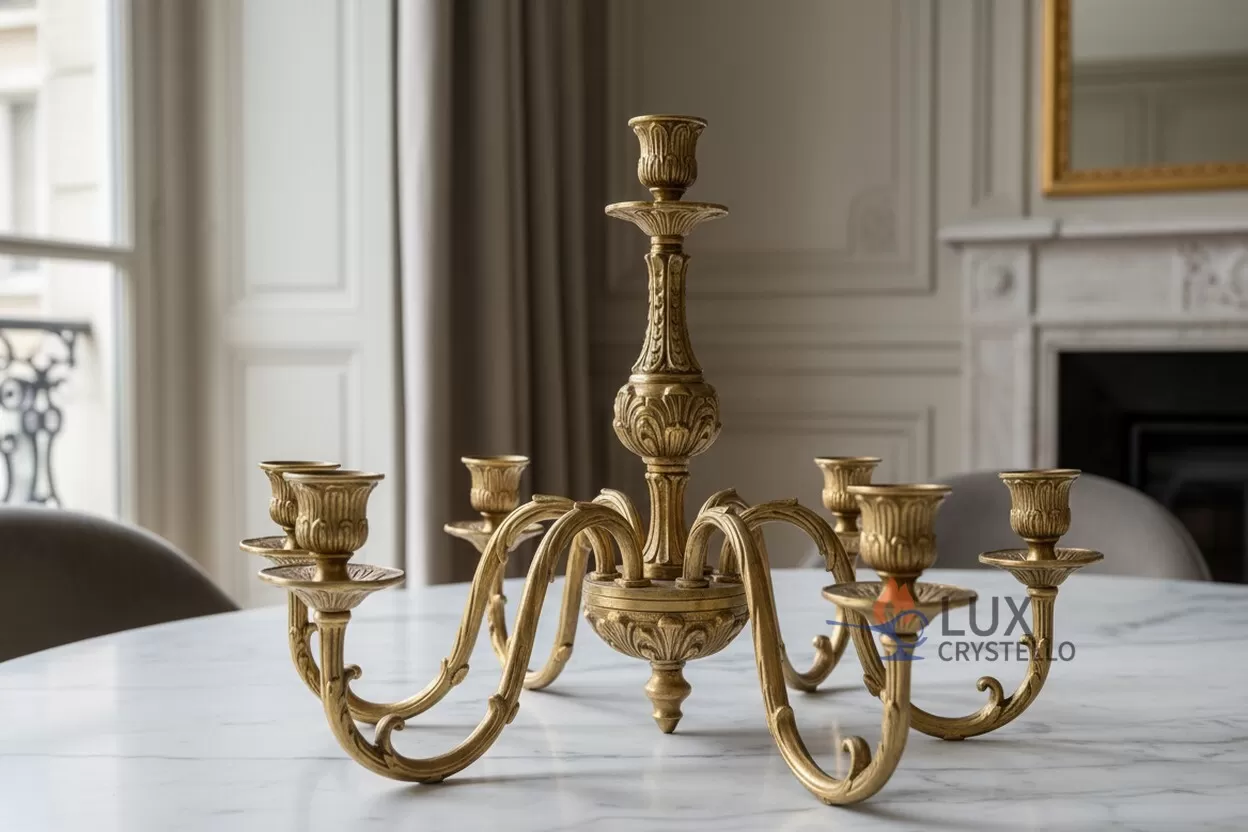
The Brass Lamp Casting Process
The brass lamp casting process involves melting alloys and shaping them in controlled molds. Manufacturers use this method to create bases, arms, and ornamental parts. It ensures stable dimensions while allowing for complex curves and relief patterns. Compared to machining from solid stock, casting is much more cost-effective for these intricate shapes.
Operational Efficiency
A major benefit is the ability to reduce material waste. Engineers tune the molds to improve fill and reduce porosity. This is critical for parts that require threading, drilling, or assembly with electrical hardware. A well-controlled casting process also saves time. It results in fewer defects, which reduces the need for aggressive grinding and rework.
Key Stages of Production
A standard workflow follows these essential steps:
-
Alloy Preparation: Setting the base metal mix.
-
Melting and Filling: Controlling pour temperatures.
-
Cooling: Managing the rate to prevent voids.
-
Finishing: Preparing the surface for assembly.
[Diagram of a typical brass casting mold and gating system]
Material Control and Quality
Many workshops prefer hand-casting brass lamps for an artisanal character. However, strict discipline remains essential. Pour temperature and mold moisture directly affect shrinkage and structural integrity.
Material consistency is the final priority. Small changes in copper or zinc levels can shift the final color tone. It can also change how the surface reacts to patina or coatings. Experienced teams monitor these alloys closely. For hospitality or retail projects, buyers often request material declarations to ensure long-term product consistency.
Where Cast Brass Lamp Parts Perform Best
Cast brass components are common in decorative pendants, wall sconces, and heritage-style fixtures where tactile detail is part of the value. They are also used for architectural lighting that needs a premium appearance while surviving frequent cleaning and long service cycles. In these settings, consistent wall thickness matters because it helps heat dissipate predictably and prevents stress around mounting points.
For custom projects, casting can support a “family” of matching parts—bases, collars, and finials—so designers can keep a unified visual language across multiple fixture types without redesigning every component from scratch.
Common Misconceptions in Brass Lamp Production
A frequent misunderstanding is assuming that all cast brass lamps share identical strength or longevity. In reality, hand-casting brass lamps can vary in quality depending on mold preparation, cooling time, and post-casting treatment. Another misconception is that heavier lamps are always better; weight can hide poor internal structure, and porosity can still create weak points around drilled holes or threaded inserts.
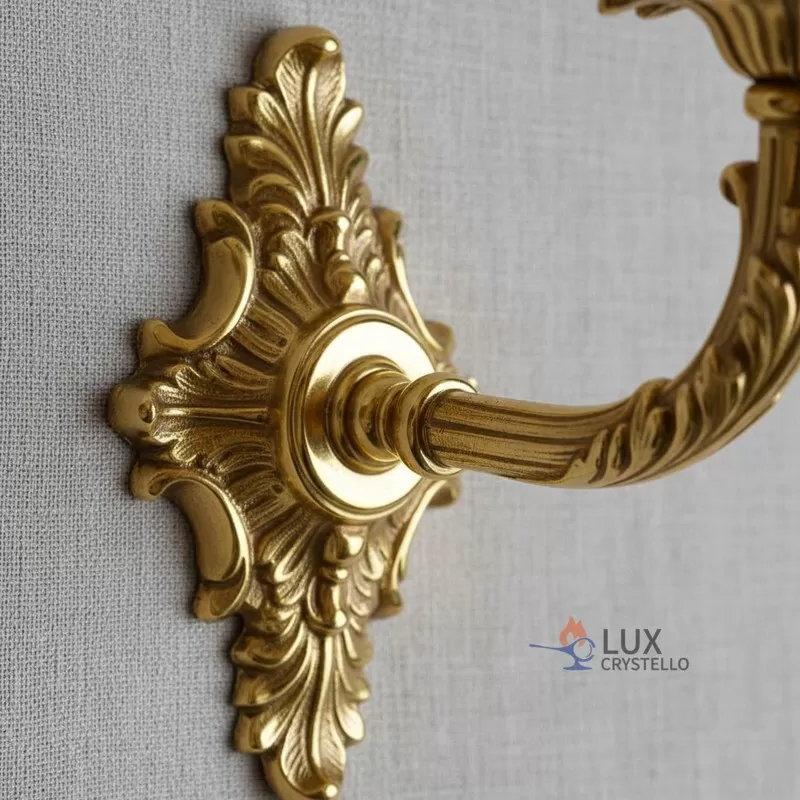
For procurement teams involved in brass lamp manufacturing, focusing only on appearance without reviewing process controls may result in inconsistent performance across batches, including fit issues during assembly or uneven surfaces that show through plating.
Practical Considerations for Buyers and Designers
When specifying lamp components, it is useful to ask how a supplier handles inspection, finishing, and tolerance targets. Reputable suppliers integrate dimensional checks, surface evaluation, and defect sorting into the brass lamp casting process to reduce rejection rates. From a design perspective, hand-casting brass lamps also supports gradual design updates without sacrificing production stability in brass lamp manufacturing.
If a project requires a specific finish—polished, brushed, antique, or sealed—clarify whether that finish is achieved by mechanical polishing, chemical patination, or coating, and how it will be protected during packaging and shipping. Clear documentation here often prevents avoidable variation across production lots.
Overall, the brass lamp casting process remains a foundational method for producing durable and visually refined lighting components. When properly managed, it supports consistent output, design flexibility, and reliable performance across a wide range of applications.
Planning for Reliable Lighting Production
For projects requiring decorative detail and structural reliability, evaluating suppliers experienced with hand-casting brass lamps can help align design intent with production feasibility. A clear understanding of casting capabilities often leads to more predictable outcomes throughout the brass lamp casting process.