
Blogpost keywords: french lamps, french lighting fixtures, french style chandeliers
The charm of French lamps lies in their ability to blend artistic aesthetics with functional lighting. For B2B buyers and distributors in the home decor and lighting field, selecting the right models is more than just choosing a beautiful fixture—it involves understanding craftsmanship, materials, performance stability, and suitability across different project environments. Whether supplying boutique hotels, residential developments, or luxury retail spaces, French lamps offer timeless value and a strong commercial advantage.
The Appeal and Design Language of French Lamps
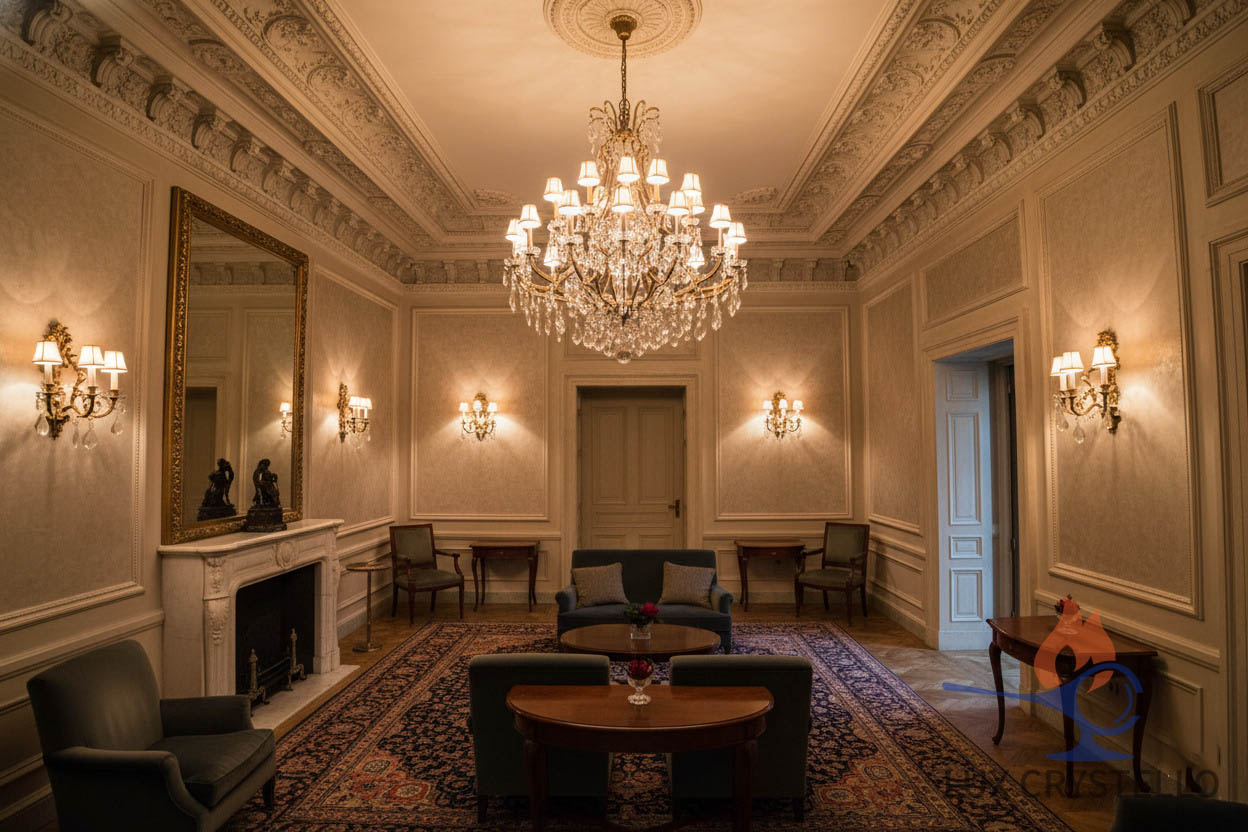
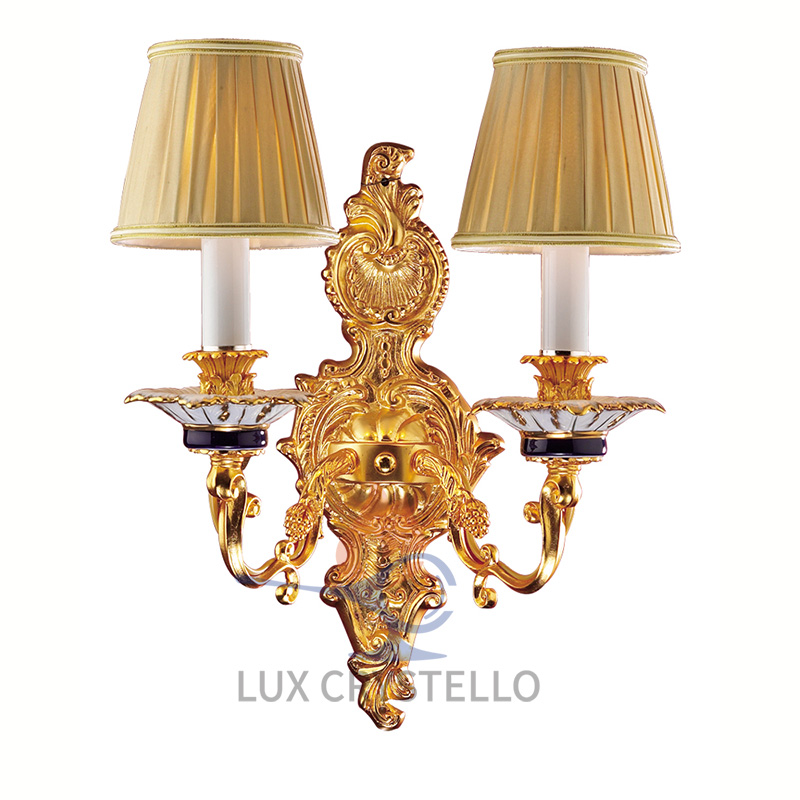
French lamps are known for their romantic silhouettes, fine textures, and elegant decorative elements. Unlike plain utilitarian fixtures, they focus on atmosphere and refinement. Many designs feature curved profiles, antique-style brass or brushed gold finishes, hand-blown glass, and premium fabric shades. This makes them an ideal fit for premium interiors where lighting is part of the storytelling.
A common pairing approach is mixing French-style table lamps with wall sconces and French-style chandeliers to create visual rhythm within a room. In high-end hospitality projects, chandeliers often serve as the core visual anchor, while table or wall lamps help soften corners and improve spatial layering.
These design concepts and ideas have greatly contributed to the rapid growth of the luxury lighting market, with emotional aesthetics and unique personality becoming key selling points rather than purely simple technical things.
Craftsmanship, Structure & Material Considerations
When assessing French lamps for wholesale or project use, material quality is crucial. Many suppliers use brass or zinc alloy frames for durability, crystal or textured glass for light dispersion, and fabric or linen lampshades for soft illumination. Compared with mass-produced industrial fixtures, these lamps place greater emphasis on hand-finishing and structural detail.
For professional procurement, stability matters as much as visual effect. A well-engineered French lamp should have:
l Solid metal joints and stable weight balance
l Smooth surface finishing and corrosion-resistant coatings
l High-quality electrical components that meet CE/UL safety standards
l Even lighting distribution without excessive heat
l These ensure safety and long-term performance, especially in commercial settings where lighting must operate continuously.
Where French Lamps Work Best
French lamps suit multiple environments—not only luxury homes, but also premium retail, restaurant interiors, and hospitality spaces. In residential projects, bedside lamps and dining pendants elevate daily experiences. In commercial projects, chandeliers and wall sconces create memorable impressions.
Many buyers find French lamps particularly effective in:
-Boutique hotels & resort villas
-Wedding and event venues
-Wine bars, cafes, and intimate dining spaces
-Upscale retail stores and gallery showrooms
-Real estate sample apartments
In a competitive market, offering a unique design positions a distributor ahead of sellers focused only on pricing and standard fixtures.
Sourcing Strategy for B2B Buyers
Beyond aesthetics, buyers should evaluate supplier capability. Production scale, consistent quality control, packaging reliability, and logistics planning significantly affect order experience.
Key factors worth reviewing:
1. Customization availability for finish, size, or wattage
2. MOQ flexibility depending on order scale
3. Sample availability for material and structural evaluation
4. Standard lead time (commonly several weeks, depending on models)
5. Export packaging (foam + carton + optional wooden frame)
6. Support for documentation like CE / UL component compliance
Professional suppliers should be able to support wholesale orders and project-based production without compromising delivery schedules.
Some Questions You May Have About French Lamps
Q: What materials are commonly used in French lamps?
A: Premium models often use brass, crystal, hand-blown glass, and durable linen or fabric shades. These materials improve long-term performance and visual refinement.
Q: Can French lamps be customized for wholesale projects?
A: Yes. Many manufacturers offer custom sizes, metal finishes, fabric colors, and compatible light sources. Customization feasibility depends on different designs and the MOQ.
Q: Are these lamps suitable for commercial installations?
A: Absolutely. They are widely used in hotels, restaurants, event halls, and luxury retail, provided installation conditions and load-bearing structures are properly reviewed.
Q: How do French lighting fixtures compare to standard lighting?
A: They prioritize artistic detail, ambiance, and craftsmanship, while standard fixtures focus primarily on cost efficiency and basic illumination.
Conclusion
French lamps continue to play a significant role in interior lighting and global design trends, providing an emotional atmosphere and premium craftsmanship that stand apart from ordinary fixtures. For B2B distributors and project contractors, selecting the right French lamps means achieving both aesthetic and commercial value.
Partner With a Trusted Supplier of French Lamps
If you’re looking to expand your product line or procure high-quality lighting products for existing projects, premium French lighting fixtures will provide a strong business advantage and lasting customer appeal. A professional and reliable supplier can solve many different problems. Whether you need samples from a product catalog or custom design services, a professional supplier can offer stable production, flexible minimum order quantities, and global distribution and export logistics support.