
Blogpost keywords: crystal pendant brass lighting, brass pendant manufacturer, custom pendant light
Crystal pendant brass lighting is rarely a one-off fixture in commercial projects. It is usually installed in multiples—three lights over a kitchen island, a continuous row above a bar, or evenly spaced drops along hotel corridors. In these scenarios, even small inconsistencies become visible. A slight variation in brass tone, a canopy that does not sit flush, or a cord that twists after installation can quickly lead to installer complaints and return requests.
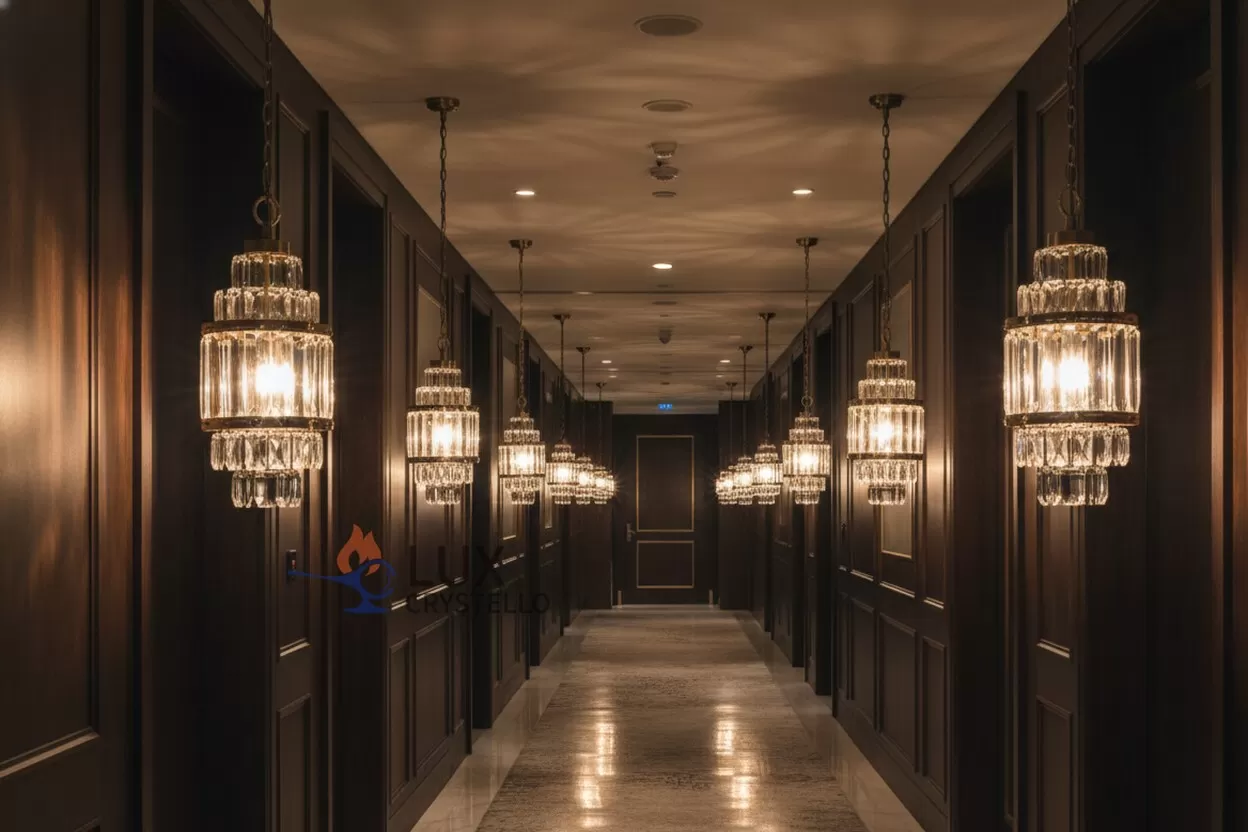
Crystal Pendant Brass Lighting: Why Consistency Matters in Multi-Fixture Projects
For B2B buyers, the risk is manageable when specifications are clearly defined from the start. Whether sourcing from in-stock crystal pendant brass lighting for fast replenishment or developing a made-to-order program with a brass pendant manufacturer, disciplined upfront decisions make the difference between a smooth rollout and costly after-sales issues.
From Concept to Purchase Order: What to Define Before Production
Before discussing finishes or crystal styles, the structural build must be clarified. Crystal pendant brass lighting may combine solid brass components, brass-plated steel, or mixed materials finished with a brass-toned coating. Each option affects overall weight, rigidity, and long-term surface behavior.
For multi-location installations, fixture weight also impacts mounting expectations and packaging requirements. Buyers should confirm fixture weight range, canopy dimensions, hanging method (cord or rod), and adjustable drop length early in the process.
Installer-critical details matter just as much. Strain relief design, canopy attachment method, and post-installation rotation behavior should be reviewed in advance. Minor design choices—such as cord entry angle—often determine whether a pendant hangs straight.
When developing a custom pendant light, tolerances should prioritize repeatability rather than overly complex micro-details that are difficult to control in volume production. For buyers selecting from in-stock SKUs, consistency documentation from the brass pendant manufacturer—including finish references and packaging specifications—helps reduce downstream risk.
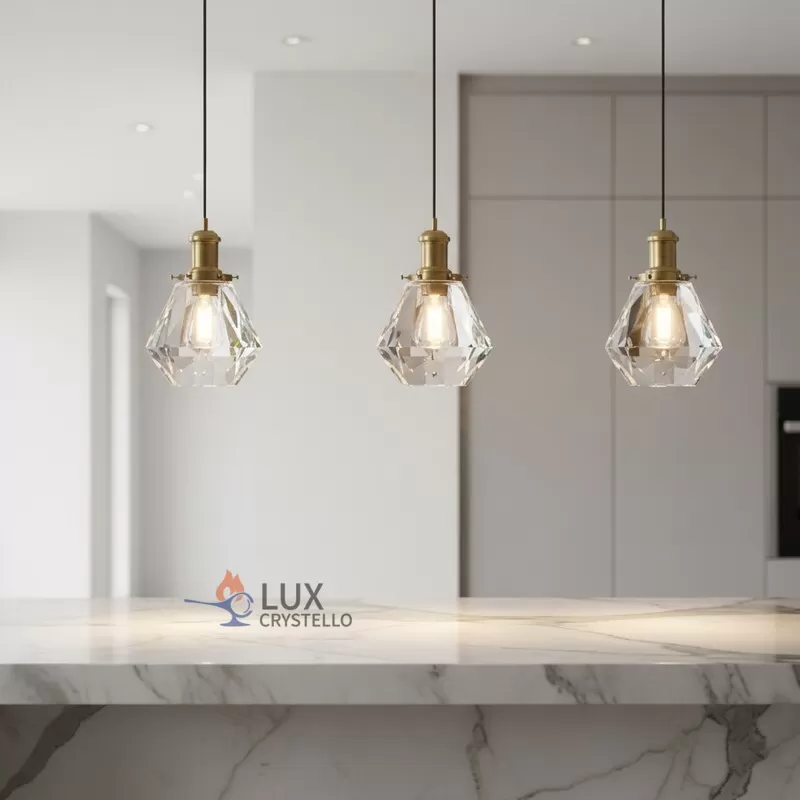
Finish Consistency: Managing Brass and Crystal Across Batches
Brass is not a single color but a family of finishes. Warm brass, antique brass, satin brass, and champagne tones can all work in crystal pendant brass lighting, provided consistency is maintained across components and replenishment cycles.
A common issue occurs when shades, canopies, and sockets are finished separately, resulting in subtle mismatches. Treat the finish like a recipe: define the tone target, sheen level, brushing direction if applicable, and protective topcoat. An experienced brass pendant manufacturer should support component matching and provide samples reviewed under both warm and neutral lighting.
For projects on tight timelines, in-stock crystal pendant brass lighting reduces lead time. However, buyers should still request current batch photos and confirm alignment with previous approvals, especially when reordering for phased installations.
Sample Testing That Reflects Real Installation Conditions
Evaluating crystal pendant brass lighting requires more than unlit product photos. Buyers should request lit images or short videos to assess glare, reflection, and how both crystal and brass surfaces read when illuminated.
Functional testing is equally important. Canopy flushness, socket alignment, and hanging stability should be checked carefully. In repeated installations such as kitchen island layouts, slight variations in angle become highly noticeable. For stock programs, ordering a master reference sample is often sufficient. For OEM projects, buyers should confirm how the factory verifies assembly accuracy, wiring continuity, and hardware completeness before packing—especially when producing a custom pendant light design.
FAQ About Crystal Pendant Brass Lighting
Q1: Is in-stock or OEM production better for B2B programs?
Use in-stock crystal pendant brass lighting when speed and replenishment flexibility are priorities. Choose OEM when exclusive design control, fixed dimensions, or long-term finish consistency are required.
Q2: How can buyers reduce mismatch when installing multiple pendants?
Approve a reference unit and require matching across shade, canopy, and socket components. Request images under different lighting conditions for every batch, whether stock or OEM.
Q3: Which applications generate the strongest repeat demand?
Hospitality corridors, restaurants, and kitchen island installations perform well because repeated fixtures create a strong visual rhythm and consistent lighting identity.
Conclusion
Crystal pendant brass lighting becomes a low-friction B2B SKU when the essentials are controlled: stable finishes, repeatable assembly, and packaging that protects both brass and crystal surfaces. These principles apply whether sourcing from in-stock programs for speed or developing a custom pendant light with a qualified brass pendant manufacturer.
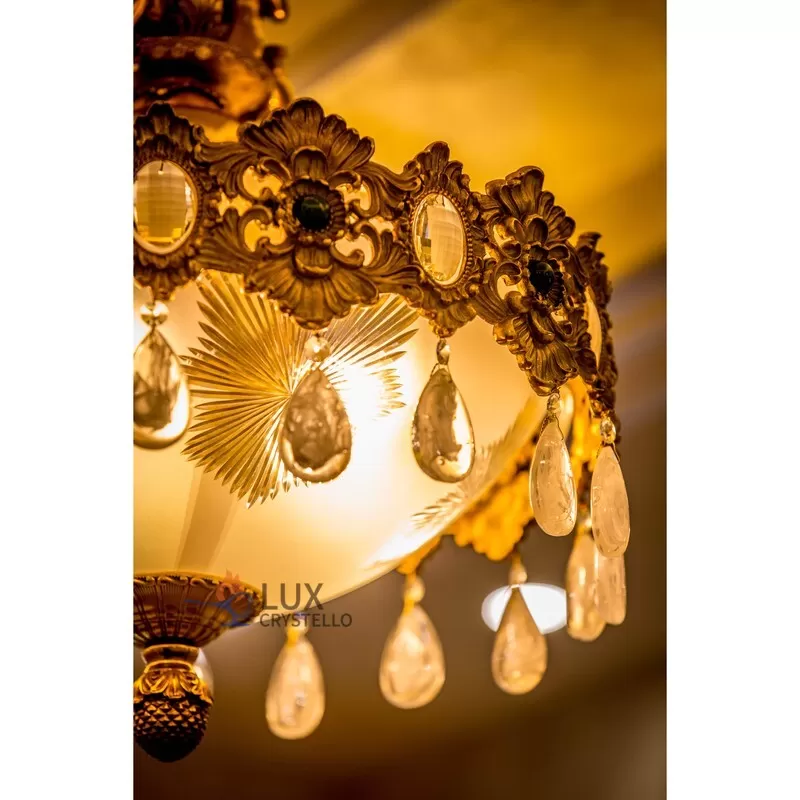
For your next project, which factor matters most—finish consistency, faster installation, or smoother replenishment?
Share Your Drawings, and We‘ll Review the Details
If you are sourcing crystal pendant brass lighting, send your target dimensions and estimated quantities. For OEM programs, a 2D drawing or 3D file is enough to begin technical review. For urgent timelines, in-stock options can also be evaluated against your design direction to keep projects moving.