
Blogpost keywords: french country lamps, french farmhouse lamps, rustic table lamps
In interior design, lighting sets the emotional tone of a space. French country lighting remains a popular and profitable category for B2B buyers seeking decorative products that are both authentic and natural, warm and cozy, and visually pleasing.. With their soft silhouettes, warm light diffusion, and handcrafted textures, these lamps blend traditional charm with practical functionality—making them ideal for residential décor, boutique hotels, furniture retailers, and staging projects.
What Defines French Country Lamps?
French country lamps are known for their relaxed elegance and artisanal detail. Unlike sleek modern metal or glass lamps, they typically feature ceramic, resin, wood, or distressed painted finishes paired with linen or cotton fabric shades. Their color palettes often include cream, beige, dusty blue, light grey, sage, and natural wood tones—hues that create a calm and collected atmosphere.
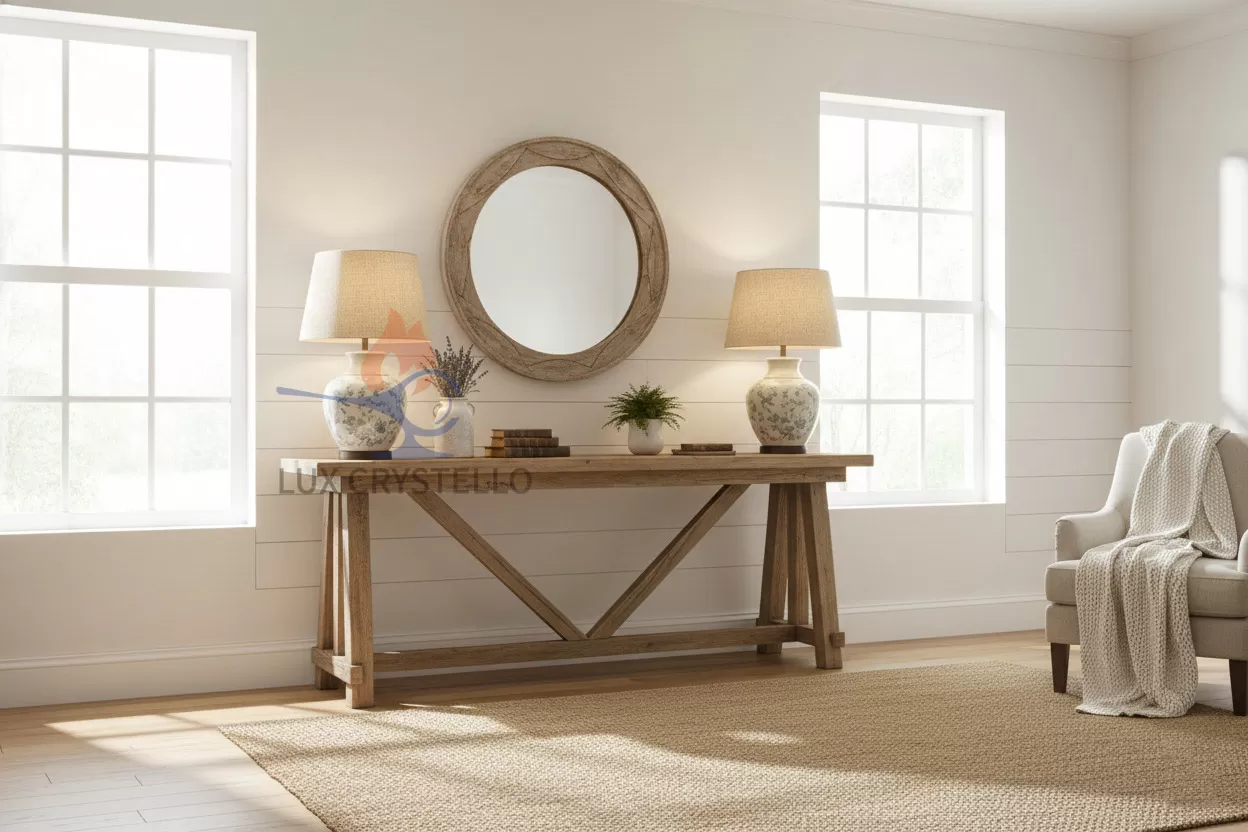
The design language is rooted in European rural aesthetics, emphasizing comfort and lived-in beauty rather than perfection. Decorative elements like hand-brushed textures, subtle patterns, and vintage-style bases make each lamp feel unique. When placed in pairs, they add rhythm and balance to bedrooms, living rooms, or entryways, supporting both style and functional lighting distribution.
Why B2B Buyers Value French Farmhouse Lamps
From a procurement perspective, french farmhouse lamps offer both visual appeal and commercial stability. Many manufacturers produce them using repeatable molds and finishing processes that allow consistent quality across large orders. Durable ceramic or weighted wood bases provide stability, while fabric shades help soften lighting output—an important detail for hospitality environments.
Because these lamps sit comfortably in the home lighting decor category and align strongly with the global trend toward “warm minimalism“and country style home decor, they remain steady sellers throughout the year rather than seasonal impulse purchases. Their broad market adaptability—farmhouse, coastal, traditional, or cottage interiors—also supports sustained resale potential.
In logistics, sets or individually boxed units can be packed safely with foam-mold protection, reducing transport risk. Lead time typically ranges from 30–45 days depending on customization preferences such as color, shade type, or electrical standard requirements (e.g., CE, UL).
Application Scenarios & Styling Ideas for Rustic Table Lamps
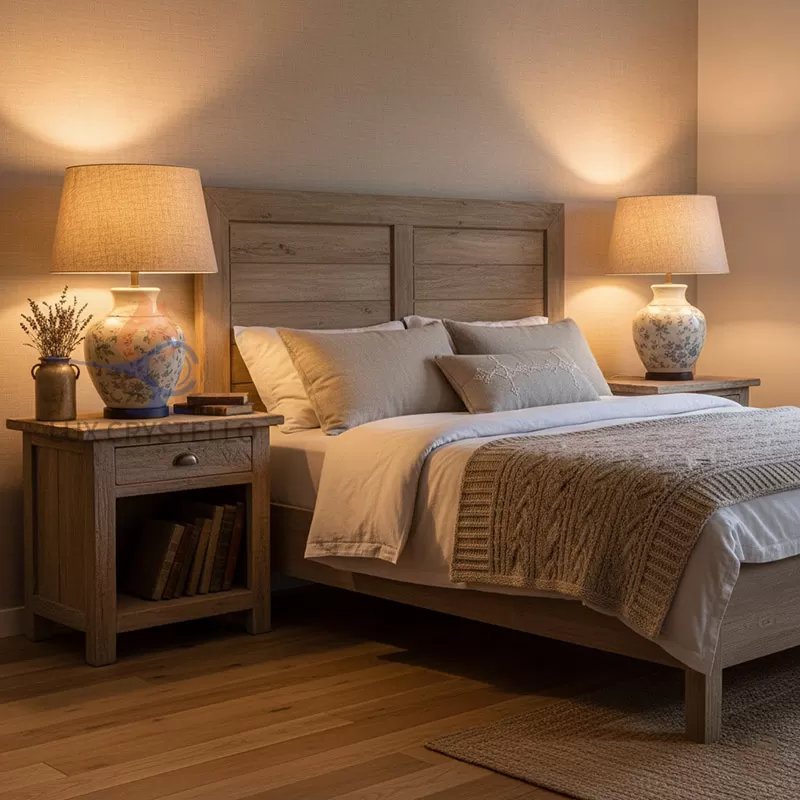
Rustic table lamps are highly versatile and easy to style across both residential and commercial settings. In bedrooms, they serve as bedside table lamps that provide soft ambient lighting while visually framing the bed. In living rooms, they anchor side tables or consoles, creating a focal area with artwork or framed photos.
Boutique hotels, model home staging teams appreciate French country lamps for their ability to instantly enhance warmth without major renovation costs. Their hand-made appearance and calming tones help create a relaxed and welcoming guest experience—particularly in hospitality environments that aim for emotional comfort over dramatic impact.
Retailers report strong performance in presentation settings such as room sets or lifestyle corners, where customers can visualize the lamps in real homes instead of viewing them as isolated objects.
FAQ About French Country Lamps (For B2B Buyers)
Q1: How can buyers evaluate quality consistency across bulk orders?
Ask for pre-production samples and confirm a finish standard (color tone, distress level, glaze texture) before mass production. For repeatable consistency, suppliers should offer clear QC checkpoints—such as base weight checks, shade-fitting inspection, and batch color comparison under the same lighting conditions.
Q2: What customization options are most practical for wholesale programs?
The most common B2B-friendly options include base color adjustments, shade material (linen/cotton) and shape (tapered/straight), lamp height tweaks, and different electrical standards. For smoother scaling, focus on “modular“customization that doesn’t require new molds, so MOQ and lead time stay manageable.
Q3: What are typical MOQ requirements for French country lamps, and what affects them?
MOQ usually depends on the base material and finishing method. Ceramic and resin models often require MOQ per finish color, while wood bases may require MOQ per stain tone. If you want multiple finishes, consider combining them in one program with shared components (same shade and hardware) to keep purchasing efficient.
Q4: What lead-time risks should wholesalers watch for, especially during peak seasons?
Finishes and shade materials are common bottlenecks. A reliable supplier should provide a clear production schedule (sample approval → production → QC → packing) and offer realistic buffers during peak months. If you run seasonal promotions, lock key materials early to avoid delays or shade substitutions.
Q5: What after-sales issues are most common, and how can buyers reduce them upfront?
Common issues include shade deformation, minor finish variation, and hardware looseness after transit. You can reduce claims by confirming packaging structure, requesting random QC photos during production, and specifying spare parts policy (extra shades, harps, finials) for large shipments.
How to Source Reliable French Country Lamps for Your Market
When choosing a supplier, evaluate surface finish consistency, lamp base stability, electrical component quality, and packaging protection. Request real sample photos or physical samples to review texture and lighting effect before confirming volume order. A dependable supplier should offer flexible customization options, clear communication on lead times, and professional export packaging—especially if you’re building a range that includes french farmhouse lamps and other country-inspired styles.
For B2B buyers, investing in french country lamps can strengthen product categories and support repeat business due to their broad stylistic compatibility and sustained consumer demand, particularly in evergreen segments like rustic table lamps.