
Blogpost keywords: glass and brass pendant light, brass pendant lighting, glass pendant light fixture
A glass and brass pendant light brings together two enduring materials—transparent or translucent glass and warm-toned brass—to create lighting that feels decorative yet practical. This balance makes a glass and brass pendant light a dependable option for residential interiors, as well as hospitality and retail projects where style consistency and reorder stability matter.
Compared with trend-driven fixtures that peak quickly, a glass and brass pendant light tends to age well across modern, transitional, and light-classic interiors. For professional buyers, it sits at a commercially useful middle point: premium-looking, flexible in styling, and suitable for long-term assortments.
What Defines a Glass and Brass Pendant Light in Contemporary Design
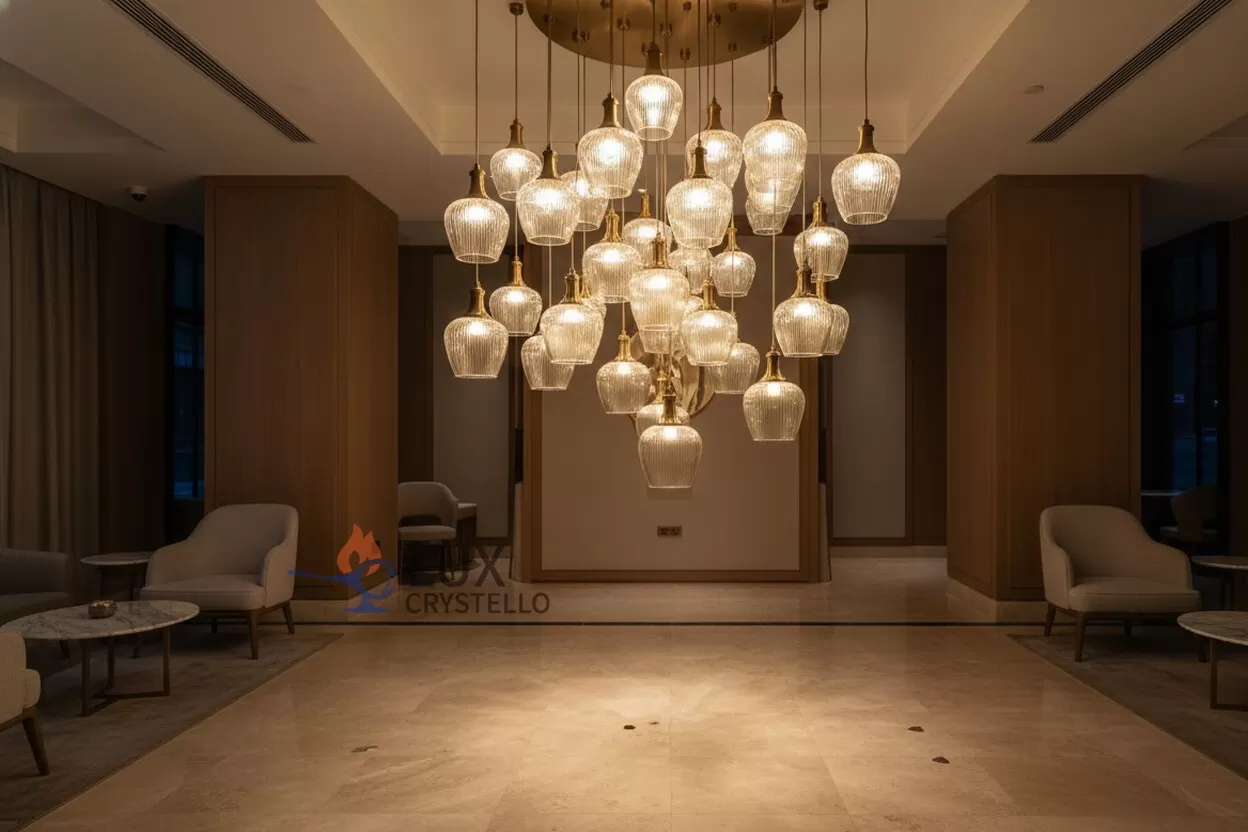
At its core, a glass and brass pendant light is defined by how structure and softness work together. Brass forms the framework—canopies, stems, sockets, and accents—while glass controls diffusion, glare, and mood. This is why the same glass and brass pendant light can read crisp and modern with clear glass, or warm and atmospheric with frosted or ribbed glass.
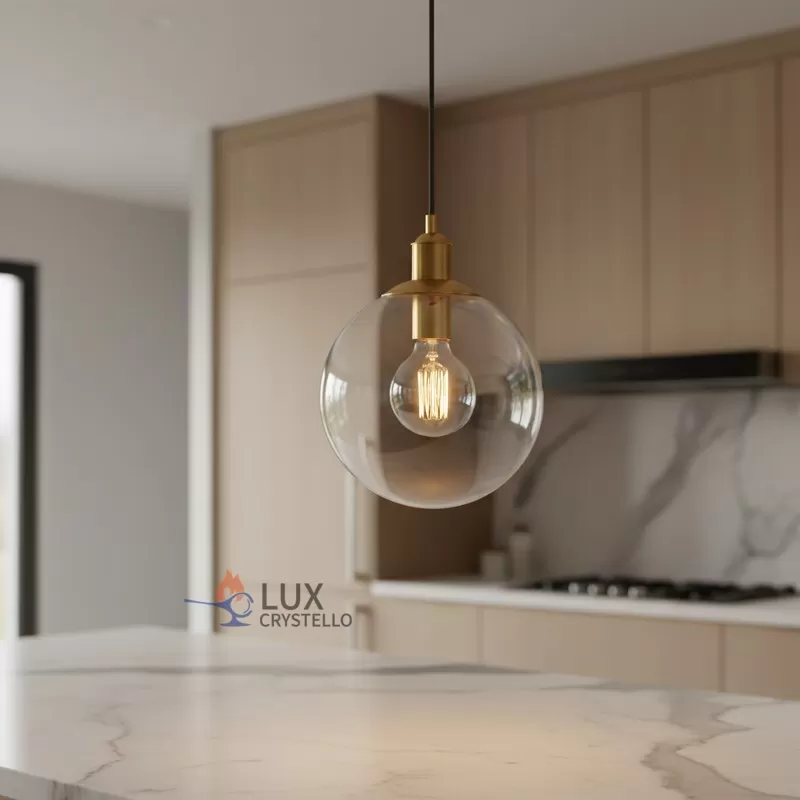
In current catalogs, many glass and brass pendant light designs use clean silhouettes such as globes, cylinders, and gently fluted shades paired with brushed, satin, or lightly aged brass. These forms integrate easily with common interior finishes like stone countertops, wood cabinetry, and textiles—without overwhelming the space.
From a B2B perspective, this definition matters because it clarifies category placement: the product bridges brass pendant lighting with modern decorative collections rather than sitting strictly in vintage or industrial sections.
Key Advantages for Residential and Commercial Programs
One of the strongest advantages is visual balance. Brass contributes warmth and perceived value, while glass keeps the fixture feeling open and light. That makes a glass pendant light fixture suitable for compact residential rooms and larger commercial environments where visual clutter reduces perceived space.
In residential use, a glass and brass pendant light performs well over kitchen islands, dining tables, and bedside zones—areas that need focused light without harshness. In hospitality and retail settings, it supports layered lighting plans by adding depth while maintaining a clean sightline.
For buyers and distributors, scalability is a major commercial benefit. Many lines can extend from single pendants into linear multi-light formats, and then into coordinated families (wall lights or table lamps). This supports project consistency and repeat purchasing—especially for hotel groups and multi-location retail brands that rely on stable brass pendant lighting specifications.
Applications and Styling Scenarios That Drive Demand
The most common application remains kitchen island installations. A glass pendant light fixture with clear or lightly tinted glass can maintain practical brightness for prep tasks, while brass details echo handles, faucets, and appliances. For repeated layouts, a glass and brass pendant light also helps maintain visual rhythm across three-light or four-light programs.
Beyond kitchens, buyers often place glass and brass pendant light designs in hotel lobbies, café seating zones, and boutique retail environments. Clustered installs—multiple pendants at varying heights—work especially well in double-height spaces because glass reflections improve ambient distribution and add perceived volume.
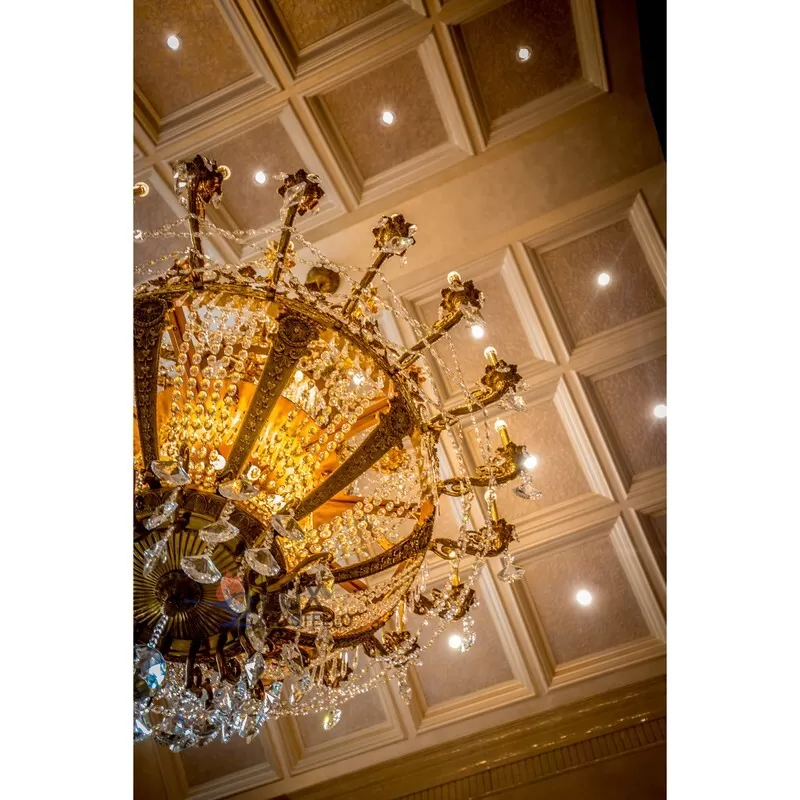
Styling-wise, these fixtures pair reliably with neutral palettes, natural stone, wood, and soft textiles, making them an anchor product inside broader brass pendant lighting ranges that must perform across diverse tastes and regions.
Edge finishing, and shade fit directly affect durability and perceived premium value. Common options include clear, frosted, ribbed, seeded, and hand-blown glass—each influencing cost, lead times, and visual variance. If you plan to scale a glass pendant light fixture across many stores, controlling glass consistency becomes a priority.
For brass components, confirm finish type (brushed, satin, antiqued), coating method, and resistance to fingerprints or minor wear. Brushed and satin finishes tend to look stable in high-touch environments, which is useful for commercial brass pendant lighting programs that face frequent cleaning and handling.
On electrical expectations, buyers often reference general alignment with destination requirements (for example, CE/UL-oriented concepts) and verify region-specific plugs or wiring configurations as needed—avoiding claims without documentation.
Packaging is also decisive. A glass pendant light fixture needs inner protection that prevents movement and impact: molded supports, foam inserts, and corner reinforcement reduce breakage in international transit. For bulk orders, clear agreement on MOQ, lead times, and customization scope (glass color, brass tone, cord length, and canopy specs) helps limit revisions and keeps production predictable.
Building Long-Term Value in Modern Lighting Collections
A glass and brass pendant light is more than a decorative element—it is a strategic product category for buyers building cohesive, versatile lighting ranges. With the right controls on glass consistency, finish stability, and supplier capability, a glass and brass pendant light can deliver reliable performance across regions and applications.
A Clear Path from Sample to Program Scale
For procurement teams and distributors, sourcing a glass and brass pendant light is often about balancing design consistency, dependable quality, and workable lead times. If you share your target dimensions, install scenario, and expected volume, we can recommend a specification approach for a repeatable glass pendant light fixture program—along with packaging and finish checkpoints that support smoother long-term purchasing.