
Blogpost keywords: lost wax copper chandelier, lost wax chandelier, hand cast copper chandelier
A lost wax copper chandelier represents a different category of decorative lighting—one rooted in traditional metal casting rather than mass-production techniques. For professional buyers, this distinction matters. Beyond visual appeal, the lost wax process directly affects structural integrity, surface detail, and long-term reliability, all of which influence how a lost wax copper chandelier performs in hospitality, residential, and retail environments.
In global lighting markets where authenticity and craftsmanship are increasingly valued, lost wax copper chandeliers offer a balance between artisanal character and commercial feasibility. Understanding how they are made—and where they perform best—helps B2B buyers make more confident sourcing decisions.
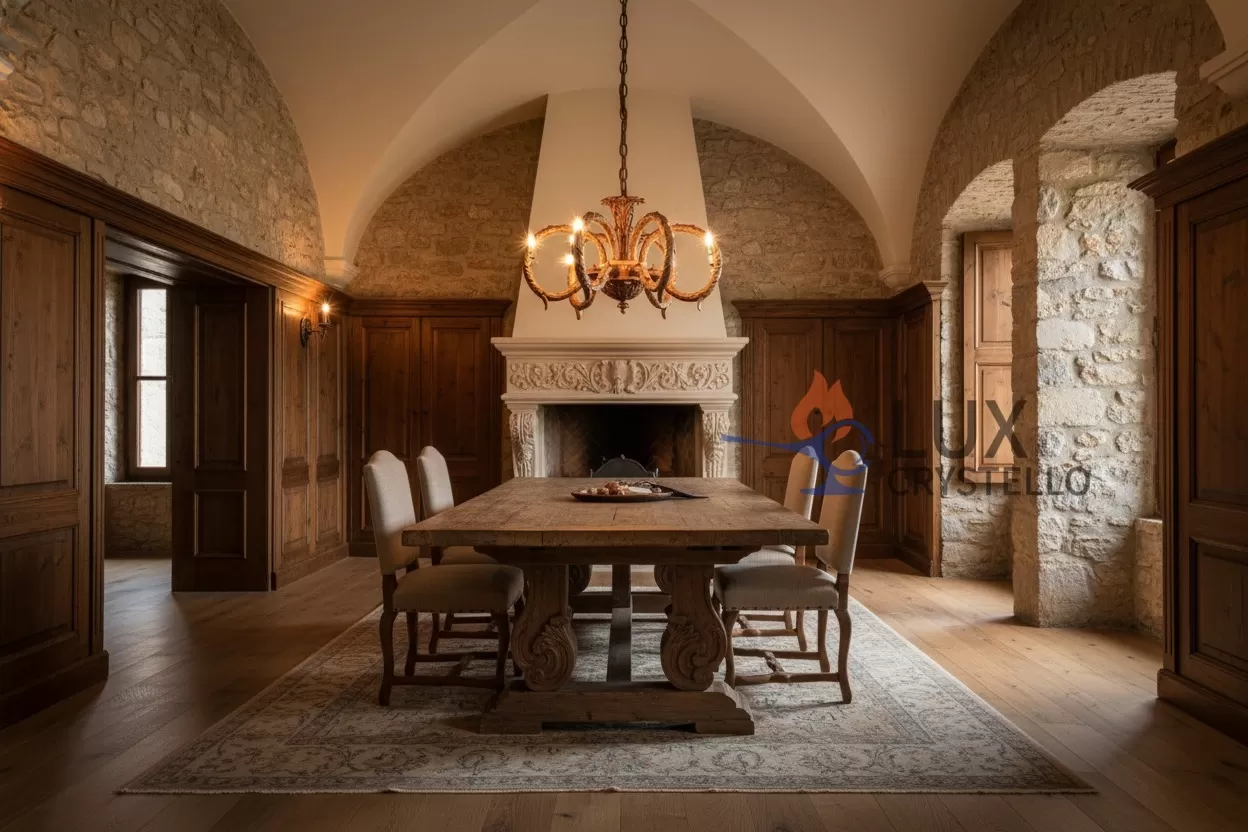
What Is a Lost Wax Copper Chandelier and How It Is Made
A lost wax copper chandelier is produced using the traditional lost wax (investment casting) method, a process that dates back thousands of years and remains relevant for high-detail metal components. Each metal part begins as a wax model, which is then coated with a ceramic shell. Once heated, the wax melts away, leaving a precise mold that is filled with molten copper or copper alloy.
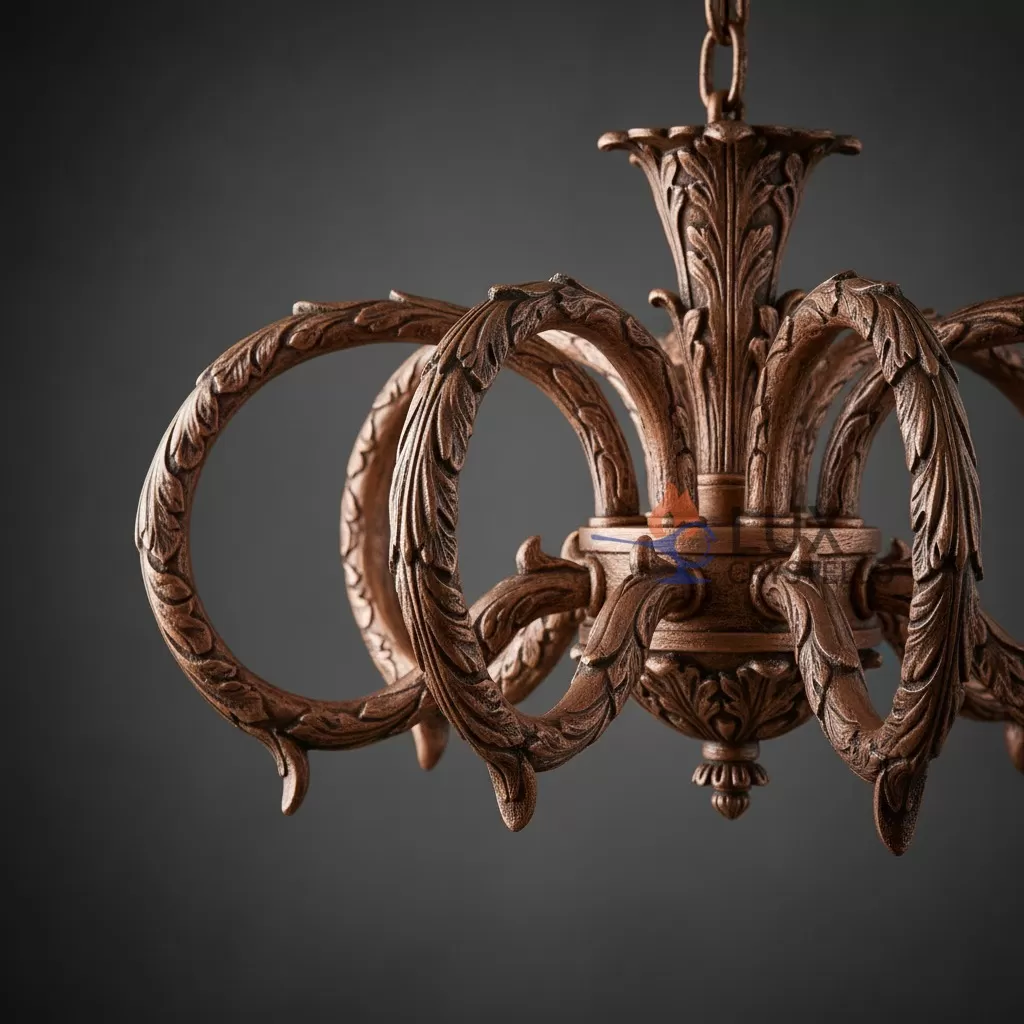
Compared to stamped or welded metal lighting, a lost wax chandelier allows for deeper relief, smoother curves, and seamless transitions between decorative elements. Arms, connectors, and ornamental details are typically cast as solid pieces, reducing weak joints and improving overall stability.
For B2B buyers, this process delivers consistency at scale while preserving the handcrafted qualities associated with a hand cast copper chandelier. It is especially suitable for chandeliers with complex silhouettes, organic motifs, or classical European styling.
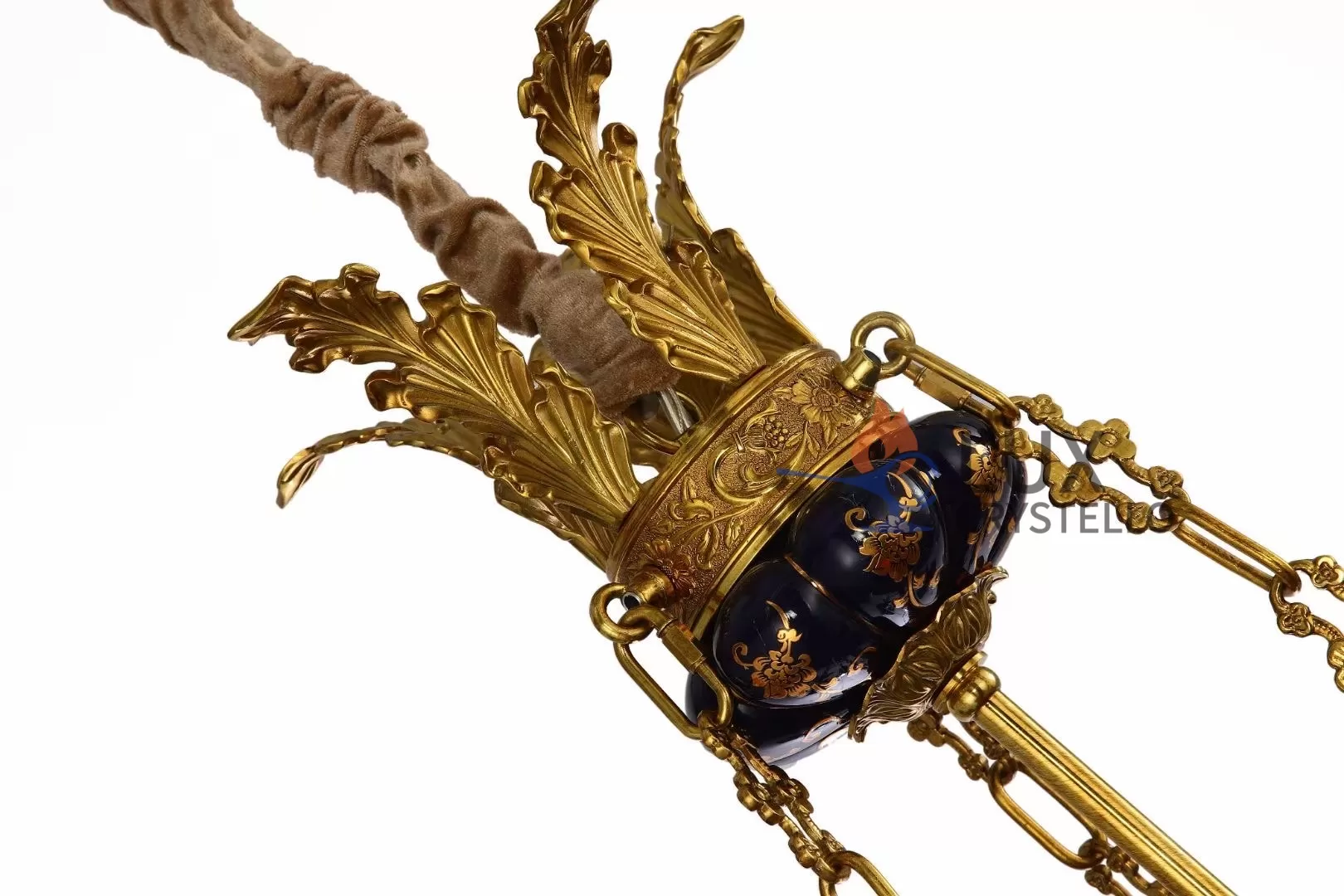
Why Lost Wax Casting Enhances Copper Chandelier Quality and Detail
One of the main advantages of a hand cast copper chandelier is precision. Lost wax casting captures fine surface textures that are difficult to achieve with fabricated metal parts. Decorative scrolls, leaf patterns, and sculptural forms appear sharper and more dimensional, even after finishing.
From a structural perspective, cast copper components tend to be thicker and more uniform. This improves load-bearing capacity and reduces deformation over time—an important factor for large lost wax copper chandeliers installed in hotels, villas, or public spaces. Many buyers also value the weight and solidity, which signal quality to end customers.
Finish flexibility is another benefit. A lost wax copper chandelier accepts a wide range of surface treatments, including antique patina, brushed copper, and darkened finishes. This adaptability allows the same base structure to serve multiple interior styles while maintaining consistent construction quality.
Commercial Applications of Lost Wax Copper Chandeliers in Global Markets
In commercial settings, a lost wax copper chandelier is often positioned as a focal element. Boutique hotels, heritage renovation projects, high-end restaurants, and luxury residences frequently use these fixtures to communicate craftsmanship and permanence.
For distributors and project-based buyers, lost wax copper chandeliers perform well in curated collections where differentiation matters. They are commonly paired with natural materials such as stone, wood, or linen to reinforce an artisanal narrative. In retail environments, tactile quality and visible casting detail strongly influence purchasing decisions.
Because the structure is robust, a lost wax chandelier is also suitable for contract environments—provided electrical configuration and load requirements align with general CE or UL-related concepts.
FAQ About Lost Wax Copper Chandelier
Q1: How does lost wax casting differ from other copper chandelier manufacturing methods?
Lost wax casting produces solid, one-piece metal components rather than assembled stamped or welded parts. This results in finer detail and improved structural strength for a lost wax copper chandelier.
Q2: What structural factors affect long-term stability?
Wall thickness, internal reinforcement, and balanced arm geometry all influence performance. Cast copper parts typically resist warping better than thin fabricated metal.
Q3: Is a lost wax copper chandelier suitable for hospitality and contract projects?
Yes. Many hand cast copper chandeliers are used in hotels and restaurants due to their durability and visual presence. Buyers should confirm electrical standards and load specifications for each project.
Sourcing Considerations for B2B Buyers and Distributors
When sourcing a lost wax copper chandelier, buyers should evaluate more than appearance. Consistency in casting quality, surface finishing, and assembly tolerances directly affects long-term performance. Supplier capability to maintain finish uniformity across batches is especially important for repeat orders.
Lead time also requires attention. Lost wax production involves mold preparation and curing cycles that may extend beyond standard metal fabrication timelines. Clear communication around schedules, packaging methods, and documentation helps avoid delays during project execution.
A Thoughtful Approach to Selecting Lost Wax Copper Chandeliers
A lost wax copper chandelier is not simply a decorative fixture—it is a structural and aesthetic investment. Understanding the production method provides clarity on pricing, durability, and long-term positioning within a lighting collection.
By evaluating craftsmanship, structural design, and sourcing capability together, professional buyers can confidently integrate hand cast copper chandeliers into projects that prioritize authenticity and longevity.
Working With the Right Manufacturing Partner
When planning a collection that includes a lost wax copper chandelier, partnering with an experienced manufacturer can simplify customization, quality control, and logistics. Many B2B buyers prioritize suppliers who understand both artisanal casting processes and commercial requirements—helping ensure consistent results across repeat orders.