
Blogpost keywords: lost wax copper wall light, lost wax copper lamps, hand cast copper wall light
A lost wax copper wall light combines traditional investment casting techniques with contemporary wall-mounted lighting requirements. Compared with mass-produced wall sconces, this category emphasizes material authenticity, refined surface detail, and structural reliability—qualities that resonate with professional buyers serving hospitality, residential, and curated retail projects.
For B2B sourcing teams, understanding how lost wax casting influences both performance and aesthetics helps explain why a lost wax copper wall light occupies a premium yet practical position in decorative lighting collections. This knowledge also supports clearer decisions around specification, pricing, and long-term product consistency.
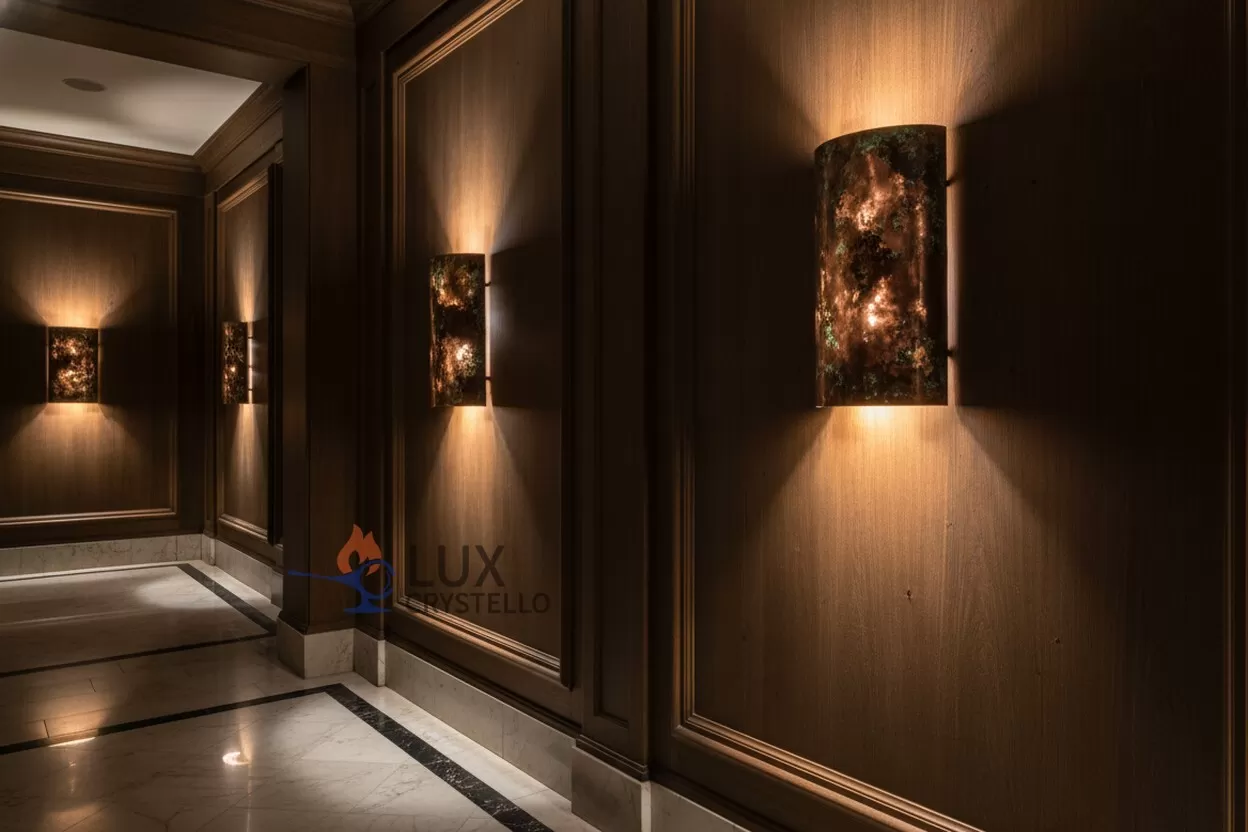
Lost Wax Copper Wall Light: Definition, Casting Process, and Material Basics
A lost wax copper wall light is produced using the investment casting method. Each component begins as a wax model, which is coated with a ceramic shell. When heated, the wax drains away, leaving a precise cavity that is filled with molten copper or copper alloy. Once cooled, the result is a solid, accurately formed metal part.
Unlike fabricated wall fixtures made from thin sheet metal and welded joints, a lost wax copper lamps often features cast arms, backplates, or decorative elements formed as single pieces. This approach reduces weak connection points and improves dimensional accuracy. The result is a fixture with smoother transitions, cleaner edges, and a more substantial, balanced feel.
From a materials perspective, cast copper provides natural weight and rigidity—important characteristics for wall-mounted lighting where balance, anchoring, and long-term stability matter.
Why Lost Wax Casting Enhances Detail and Durability in Copper Wall Lighting
One of the most visible advantages of lost wax casting is its ability to reproduce fine detail. Subtle textures, curved profiles, and sculptural forms are easier to achieve through casting than through bending or stamping metal. This makes a hand cast copper wall light particularly appealing for interiors that value artisanal character, heritage influence, or classical European design language.
Durability is another important benefit. Cast copper components typically have thicker walls and more uniform density, helping the fixture resist deformation over time. In hospitality and contract environments, this translates into better long-term performance and fewer maintenance issues compared with lightweight fabricated alternatives.
Surface finishing is also more predictable. Patinated, antiqued, or brushed finishes tend to adhere evenly to cast copper, allowing buyers to maintain visual consistency across multiple production batches. For distributors managing repeat orders, this reliability is a key advantage of a lost wax copper wall light program.
Commercial and Residential Applications of Lost Wax Copper Wall Lights
In commercial interiors, a lost wax copper wall light is most often used for accent or ambient lighting rather than primary task illumination. Hotels frequently install them along corridors, beside mirrors, or near bedside zones to introduce warmth and texture without overwhelming the space.
In residential projects, these fixtures perform well in living rooms, staircases, and entryways—areas where craftsmanship and visual presence matter. Retailers and showrooms often position a hand cast copper wall light within premium or artisanal wall sconce collections, pairing it with linen shades, glass diffusers, or minimalist bulbs to balance traditional material with contemporary styling.
Thanks to their solid construction, many lost wax copper lamps designs are suitable for contract use when assembled with compliant wiring and installed according to generally accepted safety expectations such as CE- or UL-aligned principles.
Key Sourcing Considerations for B2B Buyers and Distributors
When sourcing a lost wax copper wall light, buyers should look beyond surface appearance. Consistent casting quality, stable finishes, and tight assembly tolerances are critical for maintaining a reliable product range. It is also worth reviewing how suppliers manage surface imperfections and quality inspection standards.
Lead times may be longer than for standard wall lights due to mold preparation and casting cycles. Clear communication around production schedules, packaging methods, and documentation helps align expectations for bulk or project-based orders.
For distributors, partnering with manufacturers experienced in both artisanal casting and export logistics supports scalability without compromising the handcrafted character that defines a hand cast copper wall light.
A Practical Perspective on Selecting Lost Wax Copper Wall Lights
A lost wax copper wall light offers more than decorative appeal—it delivers material authenticity, structural confidence, and long-term value. For professional buyers, understanding the casting process helps clarify differences in weight, finish quality, and pricing compared with fabricated alternatives.
By aligning design intent, application context, and supplier capability, B2B buyers can integrate lost wax copper wall lights into collections and projects that prioritize durability, craftsmanship, and refined aesthetics.
Building Reliable Wall Lighting Collections
When developing a range that includes a lost wax copper wall light, many buyers prefer partners who understand both traditional casting techniques and modern commercial requirements. A well-matched supplier relationship can simplify customization, quality control, and repeat ordering across growing wall sconce collections.