
Blogpost keywords: pendant lighting performance, chandelier for banquet hall, commercial lighting sourcing
Pendant lighting performance is often judged too early—based on showroom samples or catalog images—rather than after real installation and extended use. In professional projects, lighting must do more than look appealing on day one. It needs to maintain visual consistency, structural stability, and reliable output across different environments and order volumes.
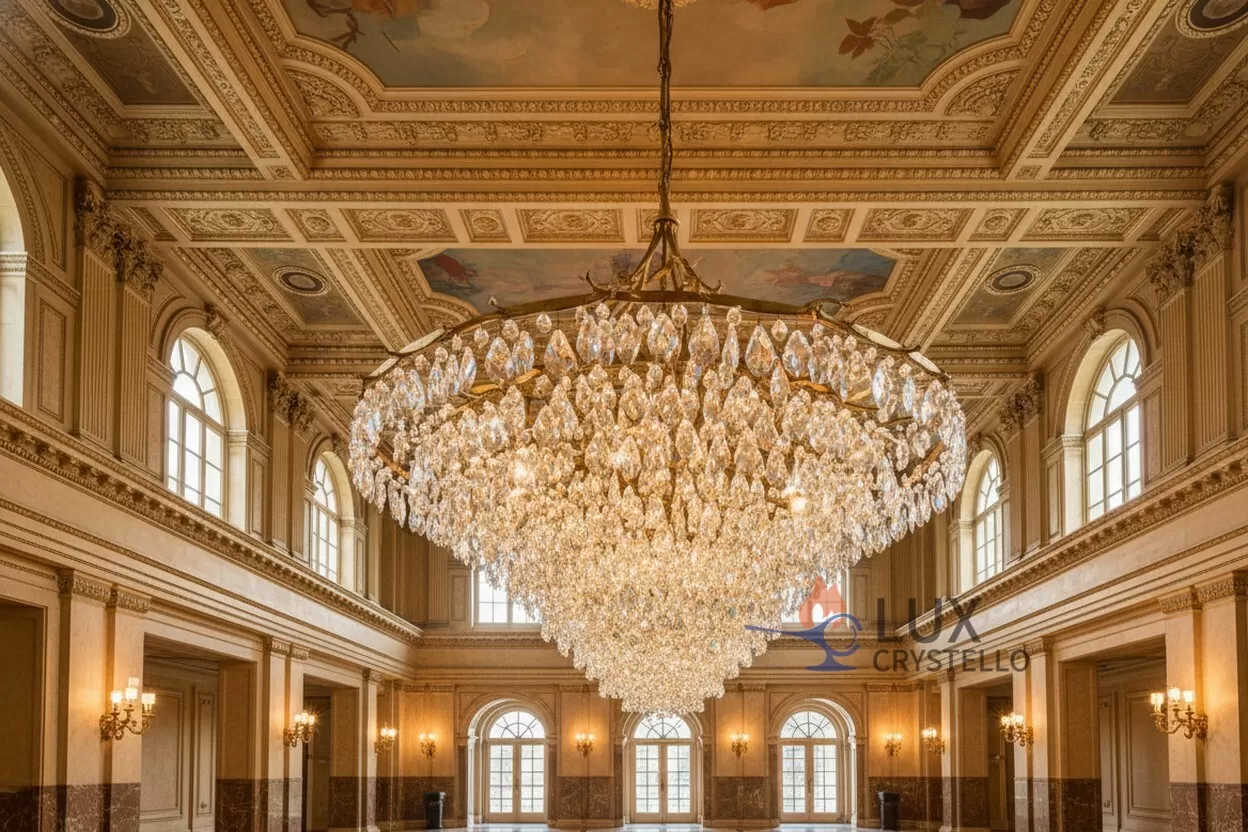
For B2B buyers and distributors, pendant lighting is not a one-off decorative choice. It is a repeatable product category that must perform predictably across residential developments, hospitality projects, and boutique commercial spaces. This guide examines pendant lighting from a sourcing-focused perspective, addressing material behavior, application relevance, and the practical factors that influence long-term results.
Why Pendant Lighting Performance Matters in Modern Projects
At its core, pendant lighting performance refers to how a suspended fixture behaves over time—visually, structurally, and operationally. This includes how finishes age, how components hold alignment, and how light output feels in real environments rather than controlled displays.
In contemporary interiors, pendant fixtures often serve dual roles. They provide functional illumination while also acting as spatial markers above tables, counters, or circulation zones. In large venues, a chandelier for banquet hall use must balance scale, weight distribution, and visual rhythm without creating glare or maintenance challenges. These requirements elevate performance expectations beyond basic residential standards.
Material, Construction, and Finish Considerations
Material selection plays a central role in pendant lighting performance. Heavier metals and well-engineered structures tend to offer better stability and alignment, particularly in multi-drop or large-format fixtures. From a sourcing standpoint, consistent material thickness, secure canopy construction, and reliable socket assemblies are key indicators of long-term performance.
Finish treatment is equally important. Polished surfaces can enhance visual impact but may reveal inconsistencies across batches. Brushed or satin finishes often perform better in large installations, especially when multiple fixtures are viewed together. In projects involving a chandelier for banquet hall, finish consistency becomes critical, as even small variations are noticeable at scale.
Application Scenarios Across Residential and Commercial Spaces
Pendant fixtures are commonly specified for kitchens, dining areas, and open-plan living spaces, where they deliver focused light while supporting the overall design language. In commercial environments, pendant lighting frequently appears in cafés, reception zones, and event venues.
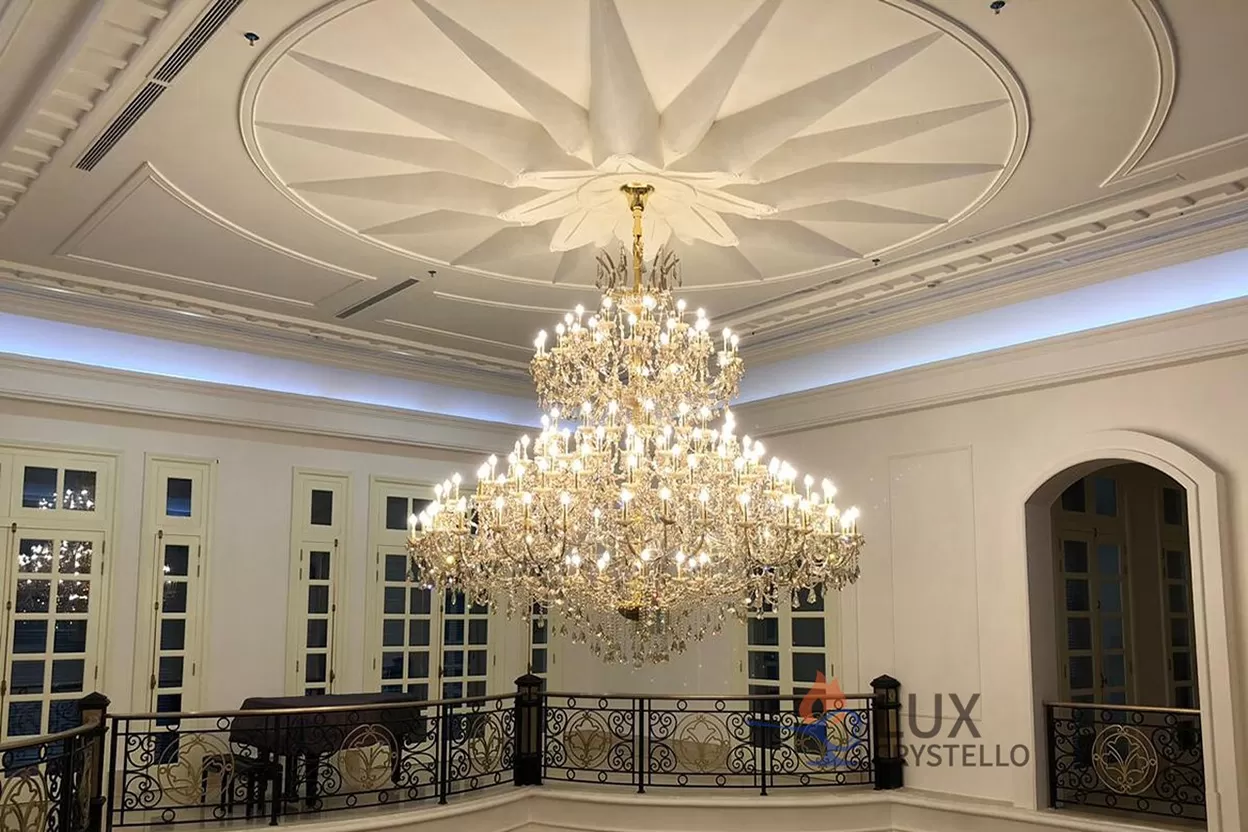
For banquet and event spaces, a chandelier for banquet hall application introduces additional performance demands. Fixtures must accommodate extended operating hours, elevated mounting heights, and ease of maintenance. These environments also place greater emphasis on internal wiring quality and heat management, which directly affect reliability.
From a sales perspective, strong pendant lighting performance also supports visual merchandising. Fixtures that photograph well and install cleanly help distributors communicate quality across catalogs and digital channels.
Key Factors in Commercial Lighting Sourcing
When moving from sample approval to production, commercial lighting sourcing considerations quickly come into focus. Buyers typically evaluate more than appearance, including canopy strength, cord durability, and compatibility with standard electrical components across different markets.
MOQ flexibility, customization options, and lead time stability are often decisive factors. Common adjustments include suspension length, finish tone, and packaging configuration for retail or project delivery. For international shipments, well-designed packaging plays a significant role in protecting finishes and reducing damage-related claims.
Reliable commercial lighting sourcing also depends on consistency between production runs. For large or phased projects, maintaining uniform appearance across multiple deliveries is essential to avoiding costly on-site issues.
Conclusion
Strong pendant lighting performance is the result of thoughtful design, controlled production, and realistic sourcing expectations. Whether specified for residential interiors or a chandelier for the banquet hall environment, pendant lighting must deliver consistent results long after installation.
For professional buyers, aligning design intent with reliable commercial lighting sourcing practices is often the difference between a successful long-term product line and a one-time project solution.
A Practical Starting Point for Project Planning
When evaluating pendant lighting for upcoming collections or installations, focus on performance factors that extend beyond first impressions. Clear material standards, realistic MOQs, and dependable commercial lighting sourcing frameworks help ensure that pendant fixtures perform as expected across projects, markets, and seasons.