
Blogpost keywords: brass floor table lamp, hybrid brass lamp, decorative brass lighting
Lighting decisions in professional projects are rarely static. Layouts evolve, furniture changes, and spatial priorities shift—sometimes late in the process. In this context, a brass floor table lamp offers a practical advantage by sitting between two traditional categories.
Rather than being locked into a single height or function, this hybrid format allows the same lamp design to work either as a low floor lamp or as a tall table lamp, depending on placement. For distributors and project buyers, this flexibility reduces SKU pressure while expanding usable scenarios across residential and hospitality interiors.
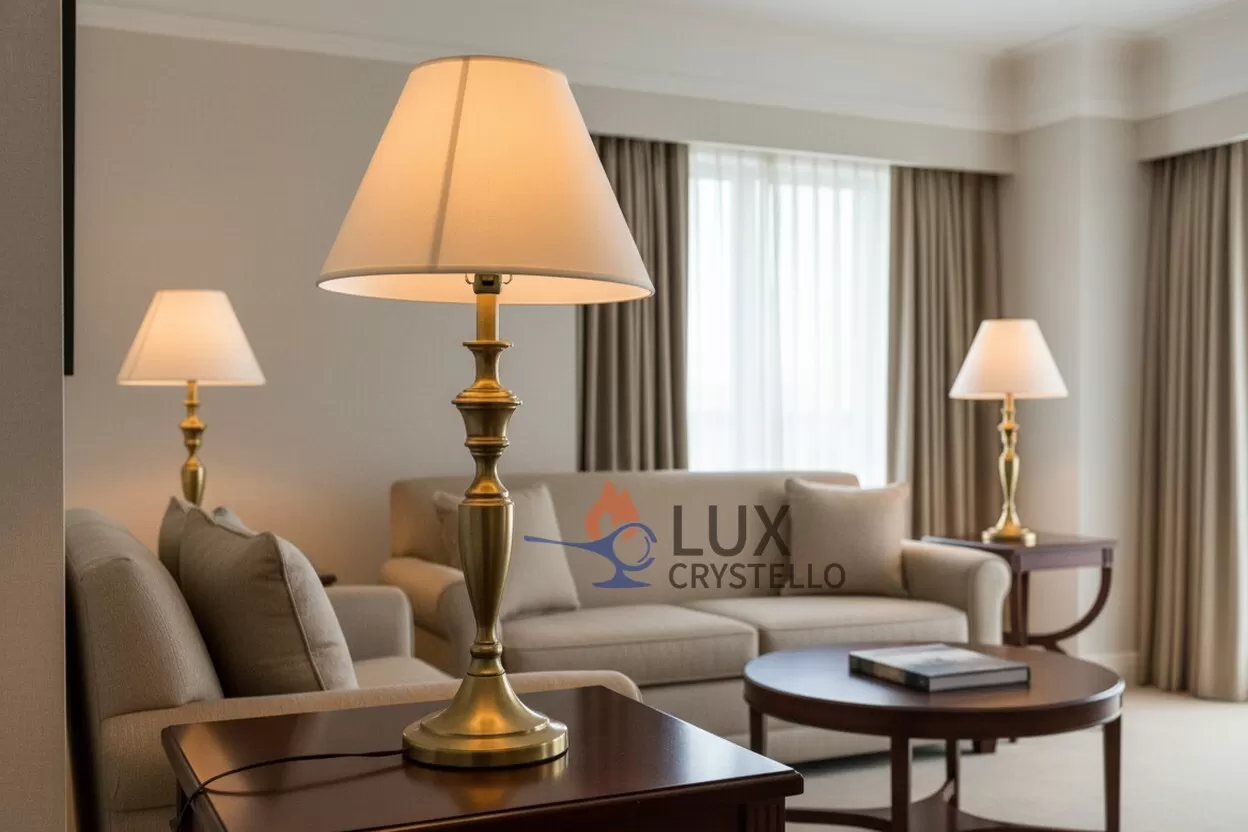
Why a Brass Floor Table Lamp Fits Hybrid Lighting Strategies
A brass floor table lamp appeals to modern B2B programs because it adapts to uncertainty. In many projects, final furniture placement is confirmed late, and lighting must adjust without redesign.
This hybrid lamp can be placed directly on the floor beside a sofa, or positioned on a console, cabinet, or oversized side table. Brass or brass-alloy construction adds visual weight and material continuity, helping the lamp feel intentional in both positions rather than like a temporary compromise.
For distributors, this dual-use logic simplifies product storytelling. One item can be presented as a flexible solution rather than a narrowly defined fixture, making it easier to sell across different customer needs.
Space Planning and Visual Balance in Real Interiors
Designers often struggle with vertical balance, especially in rooms where furniture heights vary significantly. A hybrid brass lamp helps bridge the gap between low seating and taller lighting elements.
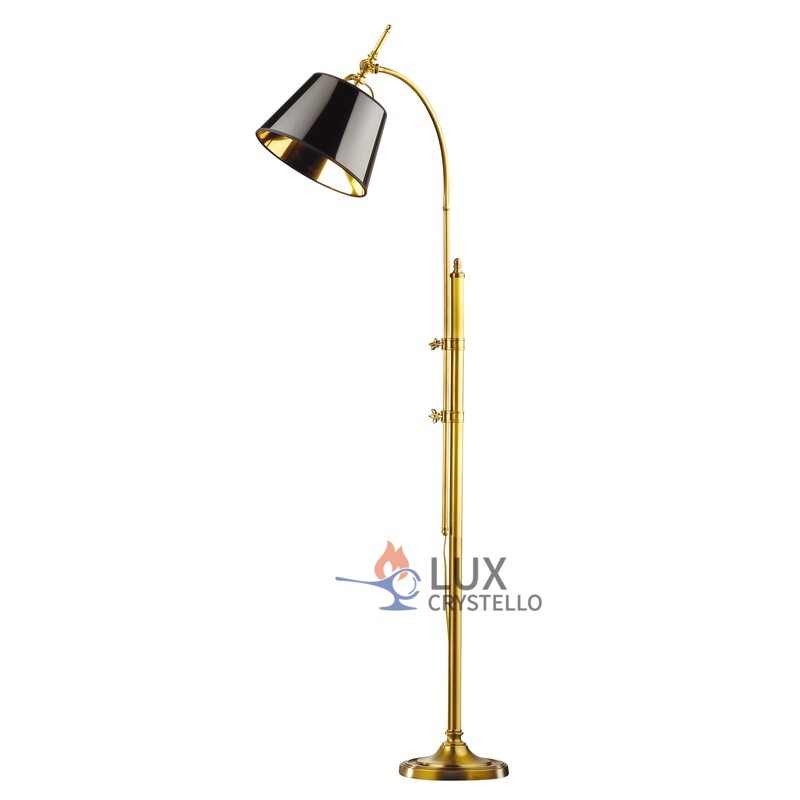
In hotel suites, it can replace a traditional floor lamp in compact layouts where space is limited. In residential interiors, it works well in corners where a full-height lamp would feel visually heavy. This adaptability makes the product particularly useful in mixed-use spaces where lighting must remain flexible over time.
Because the lamp does not dominate the room, it can support chandeliers, wall lights, or decorative accent lamps without competing for attention.
Material and Structural Expectations from B2B Buyers
Because a brass floor table lamp is used in more than one way, structural integrity becomes a primary concern for buyers.
Professional buyers typically expect:
-
A solid brass or brass-alloy base with sufficient weight
-
Balanced proportions that remain stable at different placement heights
-
Secure joints that do not loosen with repositioning
-
Clean internal wiring and discreet cable exits
Brass components provide both durability and mass, which is especially important in hospitality environments where lamps are moved, cleaned, and repositioned frequently. From an export perspective, buyers also look for designs aligned with common CE- or UL-related concepts, even when final certification is market-specific.
Inventory Efficiency and Repeat-Order Logic
From a commercial standpoint, hybrid products support leaner inventories. A brass floor table lamp can satisfy multiple customer requests without introducing additional models.
Distributors can position it as a flexible alternative to separate floor and table lamp lines, reducing complexity in catalogs and stock planning. For repeat orders, consistency becomes critical—especially when the same lamp appears across different rooms or project phases.
Stable brass tone, controlled height proportions, and repeatable assembly quality help ensure that later orders match earlier deliveries, protecting brand credibility and project continuity.
Where Hybrid Brass Lamps Perform Best
This type of lamp performs particularly well in hospitality lounges, serviced apartments, and premium residential projects. It is also widely used in showrooms, where a single product can demonstrate multiple styling options without changing fixtures.
Because it adapts easily, a decorative brass lighting piece in this hybrid format often serves as a supporting element—enhancing the overall lighting scheme without dominating the visual hierarchy.
Conclusion: A Practical Hybrid for Scalable B2B Programs
A brass floor table lamp combines flexibility in use with efficiency in sourcing. Its ability to function in multiple placements makes it especially valuable for distributors and project buyers managing diverse layouts and evolving requirements.
Whether supplied as a ready-to-ship model or adjusted through limited customization, this hybrid format supports scalable programs while reducing unnecessary complexity. For B2B buyers, it represents a thoughtful balance between design intent and operational practicality.
Sharing your target applications, expected order scale, and placement scenarios early helps determine whether a hybrid brass lamp is the right fit. Clear expectations from the start lead to smoother sourcing and more reliable long-term results.