
Blogpost keywords: lost wax copper floor lamp production, copper floor lamp manufacturing, lost wax casting lighting
Lost wax copper floor lamp production combines handcrafted casting, durable copper materials, and flexible customization for B2B lighting buyers.
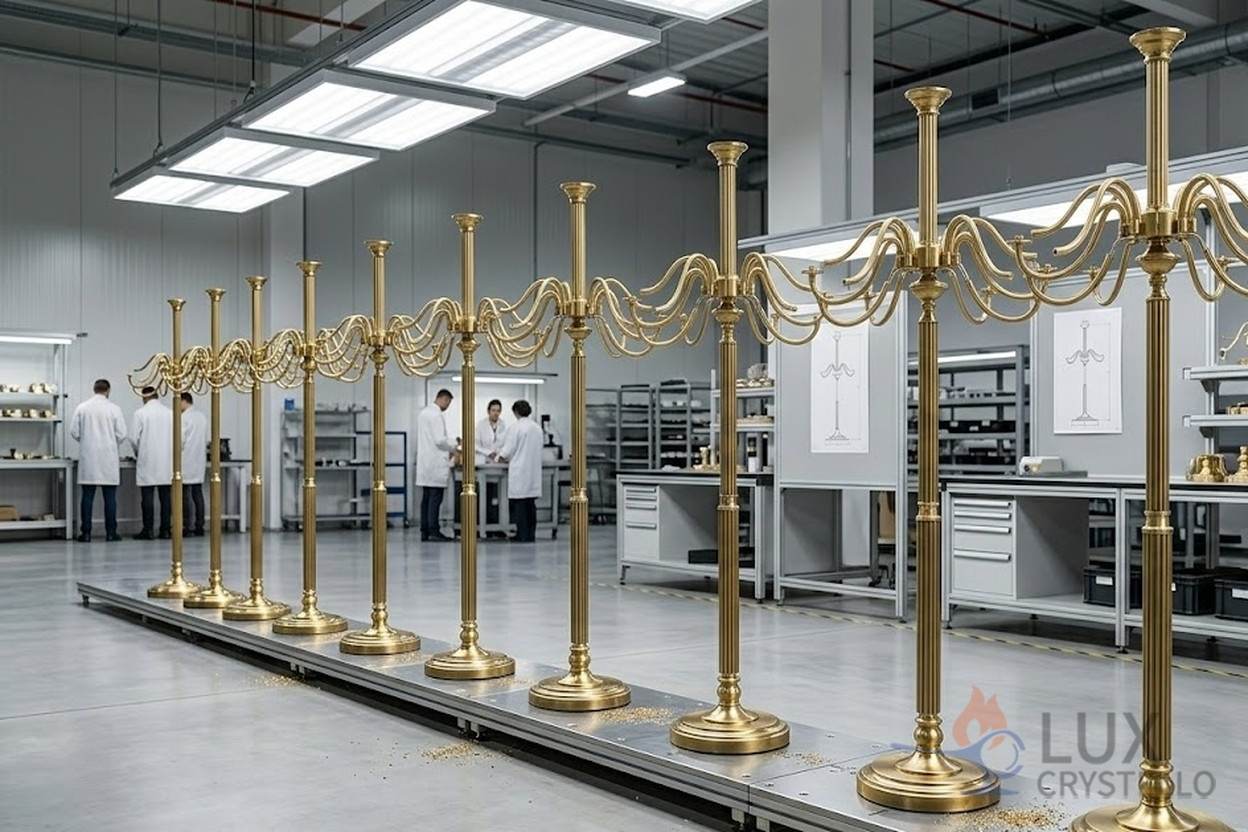
Lost Wax Copper Floor Lamp Production: From Craft Process to Market Value
Lost wax copper floor lamp production is more than a manufacturing method—it is a bridge between traditional craftsmanship and modern lighting demand. For B2B buyers, understanding how this process works helps explain why these lamps feel solid, detailed, and visually distinctive compared to mass-produced alternatives. In export markets focused on premium home décor, hospitality, and boutique retail, lost wax copper floor lamps often stand out for their sculptural quality and long-term value.
This article walks through the core process, design advantages, and key considerations buyers should know when sourcing products made through lost wax copper floor lamp production.
Lost Wax Copper Floor Lamp Production: Concept and Manufacturing Background
Lost wax copper floor lamp production originates from an ancient metal casting technique, sometimes called investment casting. The process begins with a wax model shaped exactly like the final lamp component. This wax form is coated with layers of ceramic slurry, creating a hard shell. Once heated, the wax melts away, leaving a hollow mold into which molten copper is poured.
For floor lamps, this technique is particularly useful because it allows complex forms—curved stems, organic textures, and decorative joints—to be produced as solid metal parts. Unlike welded or stamped structures, lost wax components are formed as one piece, improving both strength and visual continuity.
From a production perspective, this method requires skilled manual work at several stages, especially during wax modeling and surface finishing. That craftsmanship is what gives each copper floor lamp subtle variations, which many buyers see as a sign of authenticity rather than a flaw.
Why Lost Wax Casting Works for Copper Floor Lamps
One key reason lost wax casting is favored in copper floor lamp production is structural integrity. Floor lamps need weight and balance to remain stable, especially in hospitality or public settings. Solid cast copper provides a natural counterweight without the need for hidden ballast.
Another advantage is surface detail. Lost wax casting captures fine textures that would be difficult or expensive to achieve with machining. Whether the design calls for antique-inspired relief patterns or smooth, flowing lines, the process allows designers to maintain consistency across batches while still preserving a handcrafted feel.
From a quality standpoint, copper also performs well over time. It resists deformation, handles heat from light sources effectively, and develops a natural patina that many markets associate with premium materials. For buyers targeting long-term installations, these factors directly impact customer satisfaction and product lifespan.
Design Styles and Application Scenarios for Copper Floor Lamps
Lost wax copper floor lamp production supports a wide range of design styles. In European and North American markets, antique and vintage-inspired floor lamps remain popular for boutique hotels, classic interiors, and heritage-style renovations. The casting process allows designers to recreate historical motifs without relying on fragile decorative attachments.
At the same time, modern and transitional designs are increasingly common. Clean silhouettes combined with subtle handcrafted textures appeal to consumers who want warmth without overly ornate details. Copper floor lamps produced through lost wax casting can easily adapt to these trends by adjusting mold design and finishing techniques.
In terms of application, these lamps are often used in living rooms, hotel lobbies, reading corners, and high-end retail spaces. Their visual weight makes them ideal as statement pieces, while their durability suits commercial environments where stability and safety matter.
What B2B Buyers Should Know About Quality, Stability, and Production
When sourcing products made through lost wax copper floor lamp production, buyers should pay attention to more than just appearance. Internal structure matters. A well-designed lamp will balance solid copper elements with properly engineered internal wiring channels to meet safety standards such as CE or UL, depending on the target market.
Consistency is another concern. While lost wax casting involves handwork, experienced manufacturers control tolerances carefully to ensure stable assembly and uniform height across batches. Buyers should discuss quality inspection steps, including surface checks, balance testing, and electrical safety reviews.
From a production standpoint, lead times are usually longer than for mass-produced lamps. Mold preparation and finishing take time, especially for customized designs. However, many suppliers offer flexible MOQs and customization options, making this process suitable for mid-scale collections or project-based orders.
FAQ About Lost Wax Copper Floor Lamp Production
How does lost wax casting affect the structure of floor lamps?
Lost wax casting creates solid metal components with fewer joints, improving overall stability and reducing the risk of loosening over time.
What copper materials are commonly used in production?
Many manufacturers use high-purity copper or copper alloys selected for strength, castability, and surface finish, depending on design needs.
Which markets prefer handcrafted copper floor lamps?
Hospitality, boutique retail, and premium residential markets often favor handcrafted products for their perceived value and uniqueness.
What customization options are typically available?
Common options include height adjustments, surface finishes, lamp base design, and compatibility with different shades or light sources.
What should buyers consider regarding MOQ and lead time?
Lost wax copper floor lamp production usually involves moderate MOQs and longer lead times, so early planning is important for project delivery.
A Practical Sourcing Perspective for Buyers
For buyers evaluating lost wax copper floor lamp production, the key is alignment between design expectations and manufacturing capability. This process is best suited for collections that emphasize material quality, craftsmanship, and long-term use rather than fast turnover. Clear communication on specifications, finishing standards, and compliance requirements helps avoid surprises during production.
In summary, lost wax copper floor lamp production offers a balance of artistic flexibility and structural reliability that few other methods can match. What matters most to you when choosing this production method for your next lighting project or product line?