
Blogpost keywords: lighting prototyping process, European-style copper, brass home lighting
The lighting prototyping process is a critical stage in transforming design concepts into functional and visually refined lighting products. For brands and designers working with premium materials, early-stage prototypes help verify proportions, surface quality, and structural balance before committing to full-scale production, particularly in high-end brass home lighting collections.
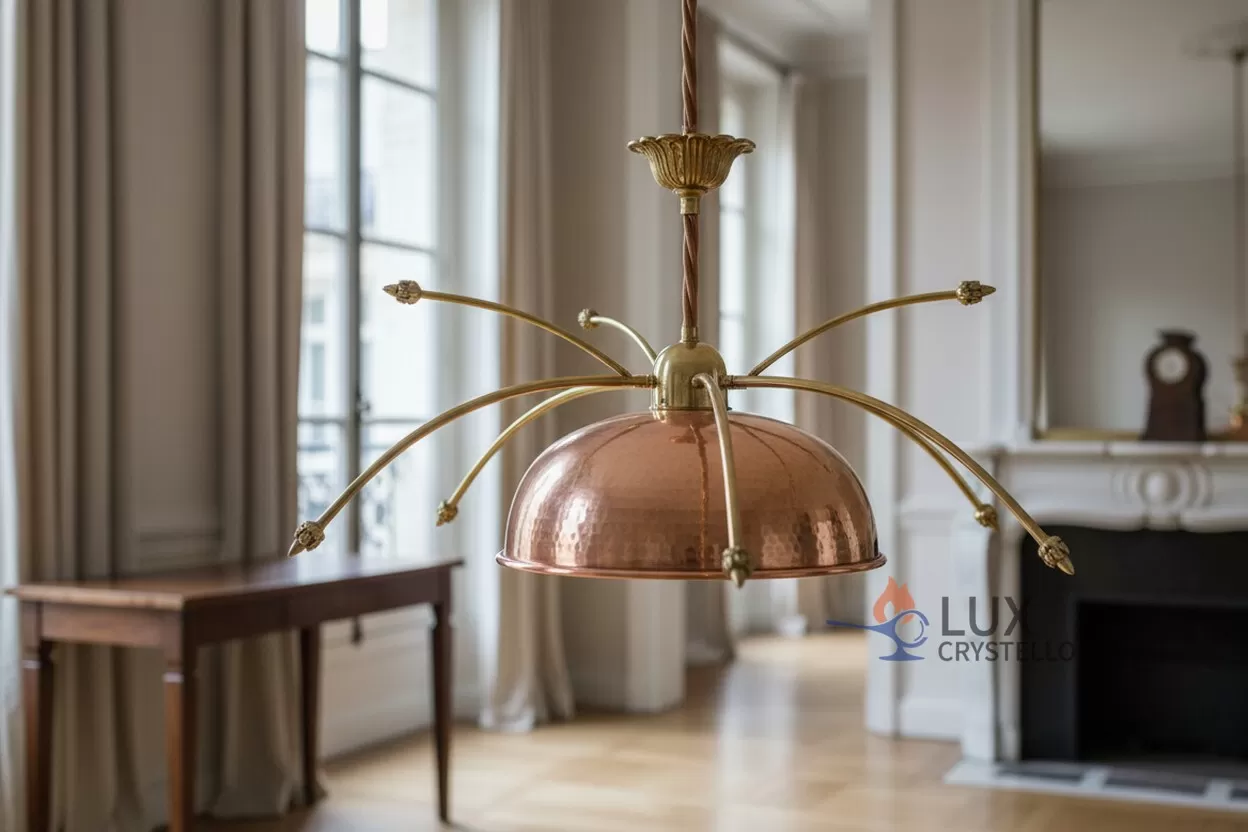
The Role of the Lighting Prototyping Process in Design Development
The lighting prototyping process allows designers and manufacturers to test form, scale, and assembly logic using physical samples. Unlike digital renders, prototypes reveal how materials behave under real conditions, including weight distribution, joinery strength, and surface interaction with light. This stage is especially important when working with European-style copper, where subtle curvature and edge definition directly influence visual elegance.
In practice, prototyping often involves multiple iterations. Adjustments to arm length, base thickness, or decorative relief are easier to implement before tooling is finalized, helping teams avoid costly revisions later in brass home lighting production.
Material Behavior and Craftsmanship Validation
Copper and brass respond differently during forming, casting, and finishing. Through the lighting prototyping process, teams can evaluate how European-style copper components reflect light, develop patina, or respond to polishing techniques. These observations guide decisions about wall thickness, reinforcement points, and surface treatments.
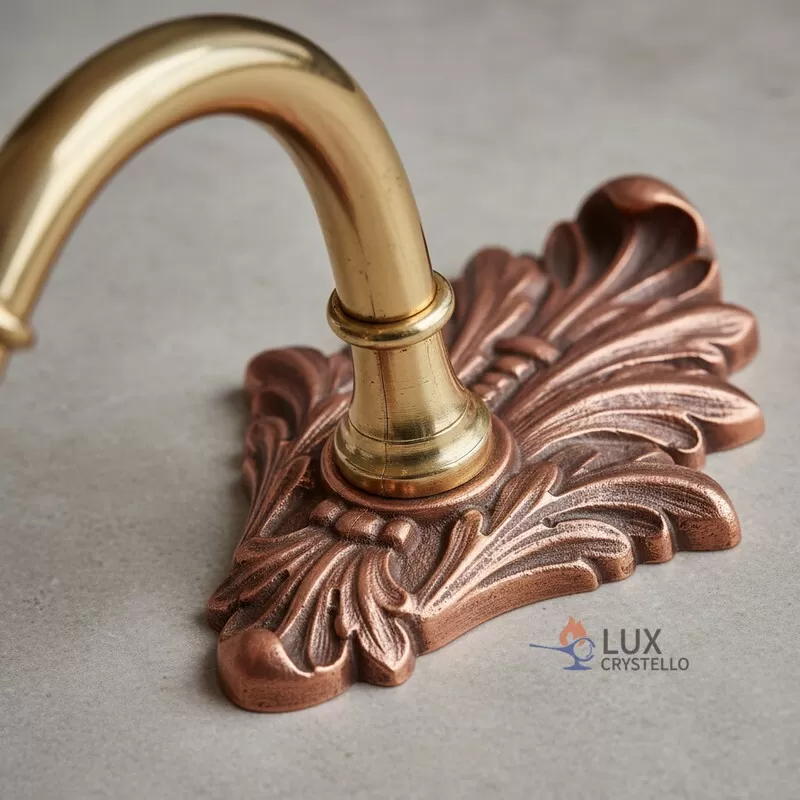
Prototypes also help confirm whether a fixture maintains visual balance once fully assembled. This is particularly relevant for multi-arm chandeliers or wall sconces where small dimensional changes can affect symmetry and perceived quality in brass home lighting applications.
Practical Use Scenarios for Prototyped Fixtures
Prototyped lighting is commonly reviewed in controlled studio environments, but many teams also test samples in real interiors. Installing a prototype in a hospitality or residential setting helps assess glare control, mounting stability, and how finishes interact with surrounding materials. For European-style copper designs, this step often reveals whether the fixture achieves the intended warmth and depth under ambient lighting.
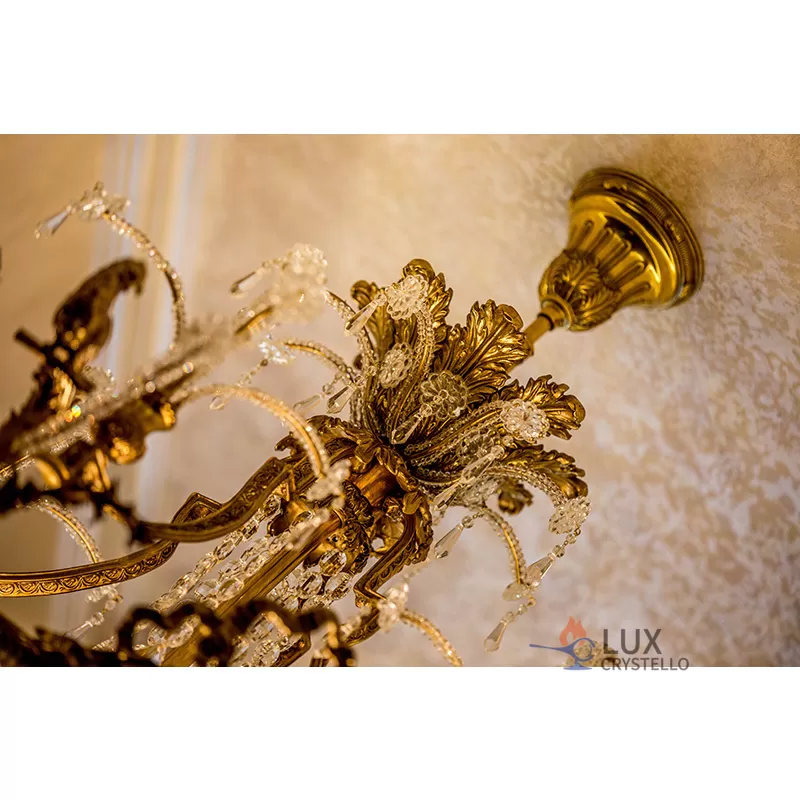
These evaluations reduce uncertainty and help align creative intent with functional performance before scaling production.
Common Misunderstandings About Prototyping
One common misconception is that prototyping only serves aesthetic review. In reality, the lighting prototyping process also exposes structural weaknesses, heat management issues, and assembly inefficiencies. Skipping or compressing this stage can lead to inconsistent tolerances and unexpected revisions once production begins.
Another misunderstanding is assuming that one prototype is sufficient. For complex brass home lighting designs, multiple prototype rounds are often necessary to refine details without compromising manufacturability.
Considerations for Designers and Procurement Teams
When reviewing prototypes, it is helpful to document feedback related to surface finish, joint precision, and overall proportion. Clear evaluation criteria allow suppliers to refine the lighting prototyping process efficiently. For collections using European-style copper, discussing acceptable variation levels in tone or texture is equally important.
From a procurement perspective, prototyping also clarifies lead times and cost structure, supporting more accurate planning for brass home lighting projects with tight delivery schedules.
In summary, the lighting prototyping process provides a structured way to balance artistic intent with technical feasibility. By validating materials, proportions, and performance early, it helps ensure that finished fixtures meet both visual and functional expectations.
Moving from Concept to Confident Production
For projects involving refined materials and complex forms, investing time in a disciplined lighting prototyping process can reduce long-term risk. Thoughtful prototype evaluation often leads to smoother production and more consistent outcomes in premium brass home lighting collections.