
Blogpost Keywords: vintage floor lamp, vintage floor lamp wholesale, antique style floor lamp
A vintage floor lamp is often seen as a statement piece, but for professional buyers, it is also a strategic product category. Floor lamps combine function and decoration in a single item, making them especially attractive for residential interiors, hospitality projects, and curated retail collections. Their scale and presence allow them to anchor a space while contributing to the overall lighting layer.
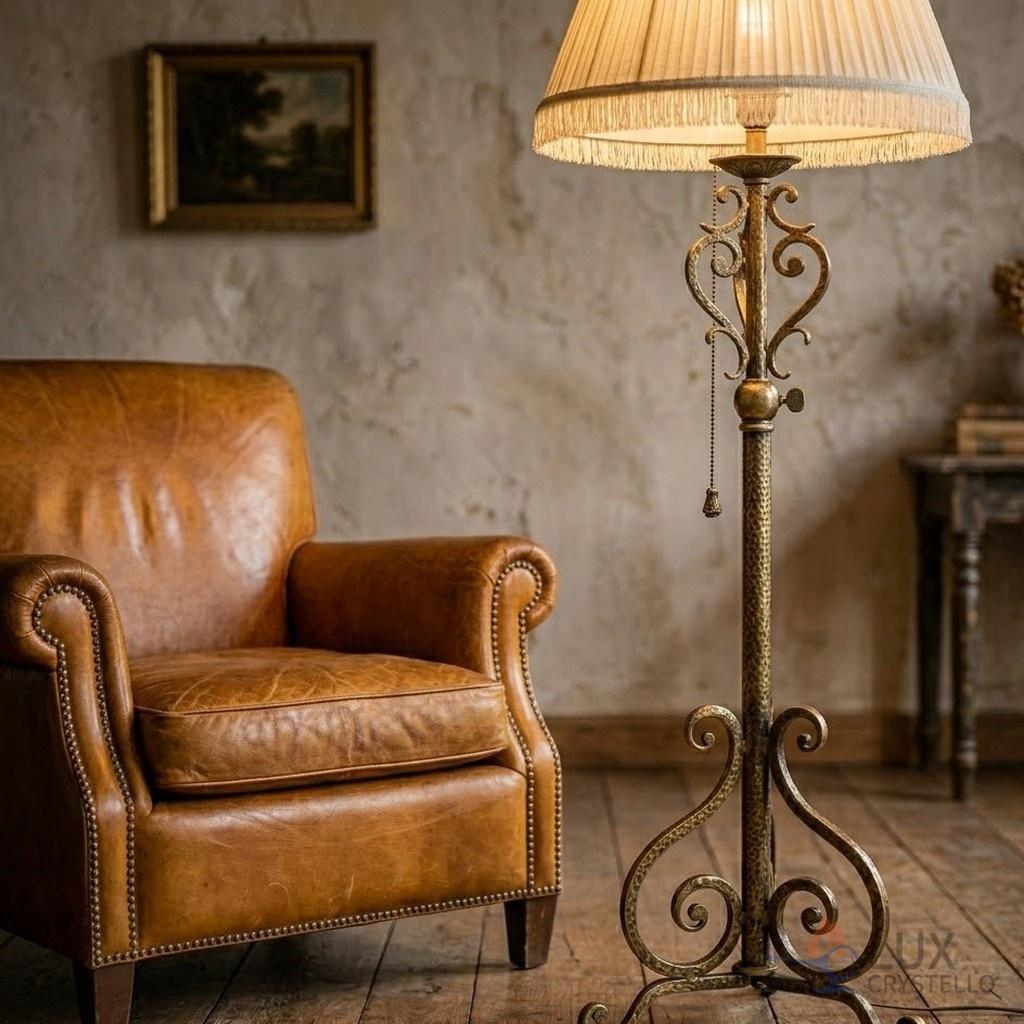
From a B2B standpoint, vintage floor lamps offer stable demand and clear positioning. This guide looks at how buyers can evaluate vintage floor lamps in terms of design origins, materials, quality standards, and wholesale potential—helping you make informed decisions for long-term product planning.
Vintage Floor Lamp Explained: Style Origins and Functional Role
In most commercial contexts, a vintage floor lamp refers to a newly produced lamp inspired by historical styles rather than a true antique. Common influences include early European interiors, mid-20th-century forms, and classic French or industrial aesthetics. These designs favor balanced proportions, visible materials, and warm, ambient light.
Functionally, floor lamps are used to supplement overhead lighting. They are often placed in living rooms, reading corners, hotel lounges, or bedrooms to create depth and comfort. For B2B buyers, this flexibility makes the classic floor lamp an easy addition to a wide range of interior concepts without requiring major layout changes.
Why Vintage Floor Lamps Remain a Strong Category in Lighting Collections
One reason vintage floor lamps continue to perform well is their resistance to short-term trends. While finishes and shades may evolve, the core silhouettes remain familiar to end customers. This stability allows distributors to carry models longer and reduce the pressure of constant redesign.
From a wholesale perspective, vintage floor lamp wholesale orders are often driven by repeat clients. Hospitality groups, residential developers, and retailers value designs that can be reordered consistently. In addition, vintage floor lamps pair naturally with other vintage lighting categories, such as table lamps and wall lights, supporting cohesive collections and higher average order values.
Materials, Structure, and Quality Considerations for Vintage Floor Lamps
Material choice plays a critical role in both durability and perceived value. Many higher-end designs use metal structures, particularly brass floor lamp frames, due to their strength, weight, and refined appearance. Marble or metal bases are also common to improve stability, especially for taller designs.
For B2B buyers, structural integrity is essential. A well-made floor lamp should feel balanced, with secure joints and a stable base. Wiring quality, switch placement, and shade attachment all affect user experience. While certification requirements vary by market, products should be engineered to meet general international safety expectations, especially for long-term commercial use.
Use Cases and Market Opportunities for Vintage Floor Lamp Wholesale
Vintage floor lamps are widely used in both residential and commercial environments. In homes, they serve as reading lights or decorative accents. In hotels, cafés, and offices, they help define seating areas and soften large spaces without permanent installation.
In terms of market opportunity, decorative floor lighting performs well in mid-range to premium segments. Buyers in Europe and North America, in particular, continue to favor designs that emphasize craftsmanship and material authenticity. Offering variations in height, finish, or shade style allows one core design to serve multiple customer profiles while keeping production manageable.
FAQ About Vintage Floor Lamps
What materials are commonly used in vintage floor lamps?
Metal frames are most common, often brass or iron, combined with fabric or glass shades. Heavy bases such as marble or cast metal are used for stability.
How does an antique style floor lamp differ from a true antique piece?
An antique style floor lamp is newly manufactured with vintage-inspired design. True antiques are original items and are rarely suitable for standardized wholesale supply.
What stability and safety factors should buyers consider?
Buyers should check base weight, balance, wiring quality, and heat management. Stable construction is especially important for taller floor lamps.
What are typical MOQ and customization options?
MOQ depends on design complexity and materials. Many suppliers allow customization of finishes, shades, or dimensions once minimum quantities are met.
What packaging and transport considerations apply?
Floor lamps often require sectional packaging. Secure protection for bases and shades helps reduce damage during international shipping.
Final Thoughts on Choosing a Vintage Floor Lamp
For professional buyers, a vintage floor lamp offers both visual impact and commercial reliability. Its ability to function as lighting and décor makes it a valuable category across residential, hospitality, and retail markets. When sourced with attention to structure, materials, and supplier consistency, vintage floor lamps can support long-term collections with minimal risk.
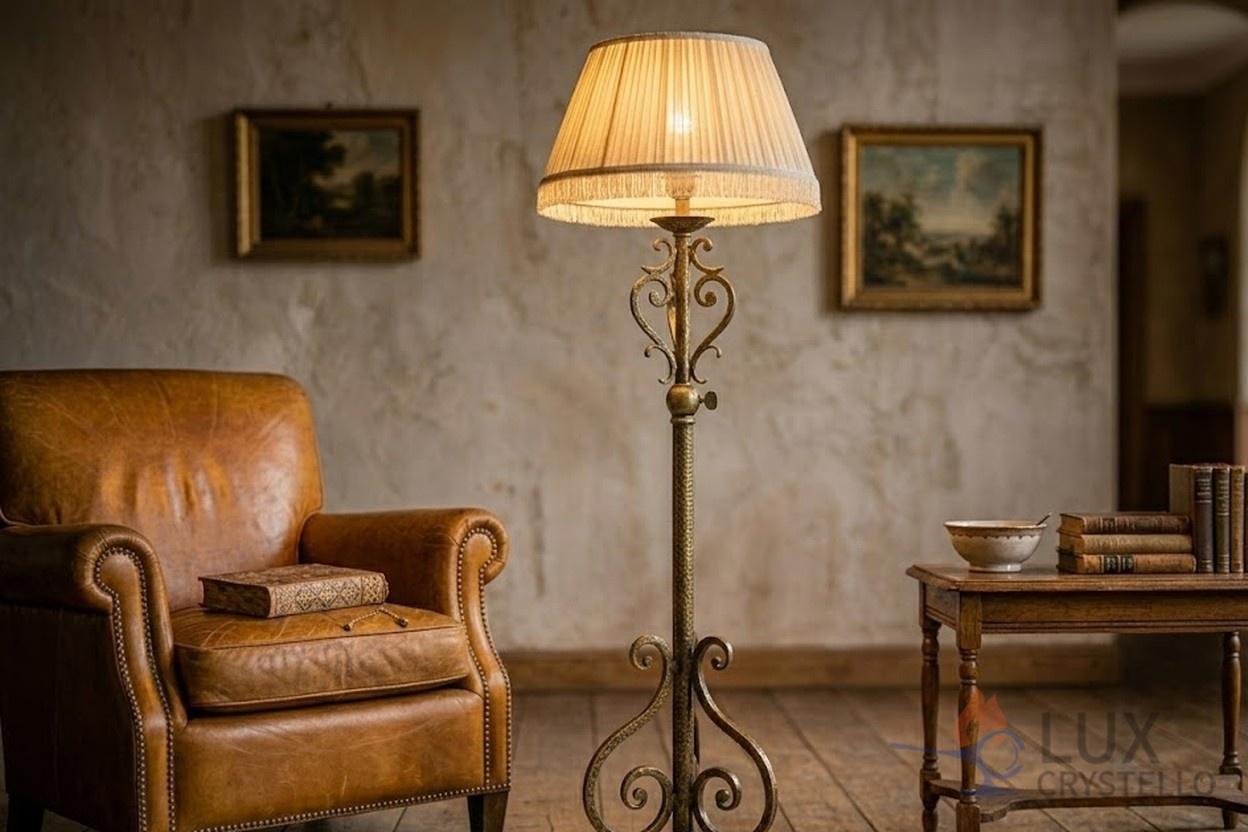
What matters most to you when selecting a vintage floor lamp for your next project or wholesale program?
A Practical Next Step for B2B Buyers
When expanding your lighting range, consider starting with one or two well-defined vintage floor lamp designs. Testing different finishes or shade options with key clients can provide clear feedback before scaling up production and inventory.