
Blogpost Keywords: vintage wall light, vintage wall light wholesale, antique style wall lamp
A vintage wall light is often chosen for its visual character, but for B2B buyers, it also represents a practical lighting solution with strong commercial value. Wall-mounted fixtures play a key role in shaping atmosphere while saving floor and table space, making them especially popular in hospitality, residential, and retail projects.
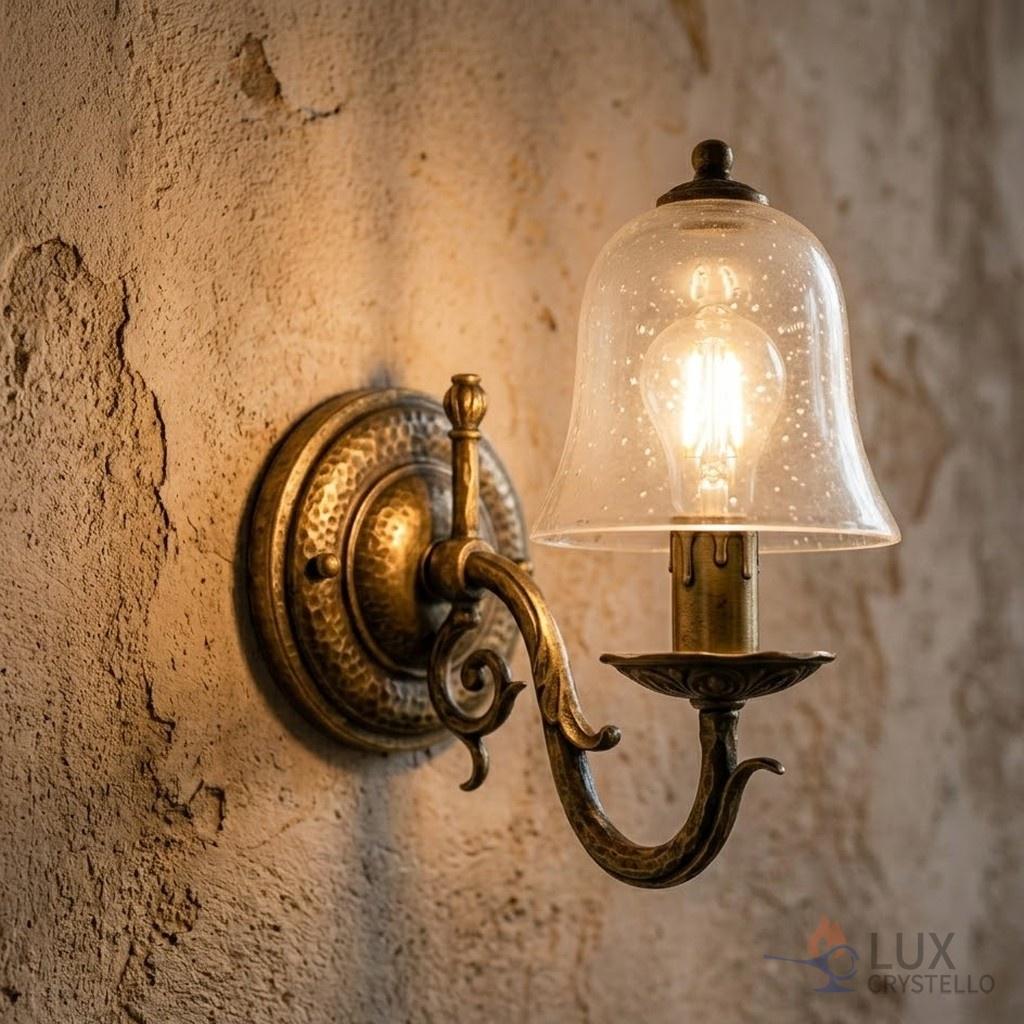
From a sourcing perspective, vintage wall lights combine stable demand, adaptable design language, and relatively efficient logistics. This guide looks at how professional buyers can evaluate vintage wall lighting in terms of style, materials, quality control, and wholesale potential.
Vintage Wall Light Explained: Style, Function, and Design Origins
In today’s market, a vintage wall light typically refers to a newly manufactured fixture inspired by historical or early-industrial designs. Common references include classic European interiors, early 20th-century wall sconces, and French or industrial-style detailing. These designs emphasize proportion, surface texture, and warm light output rather than sharp minimalism.
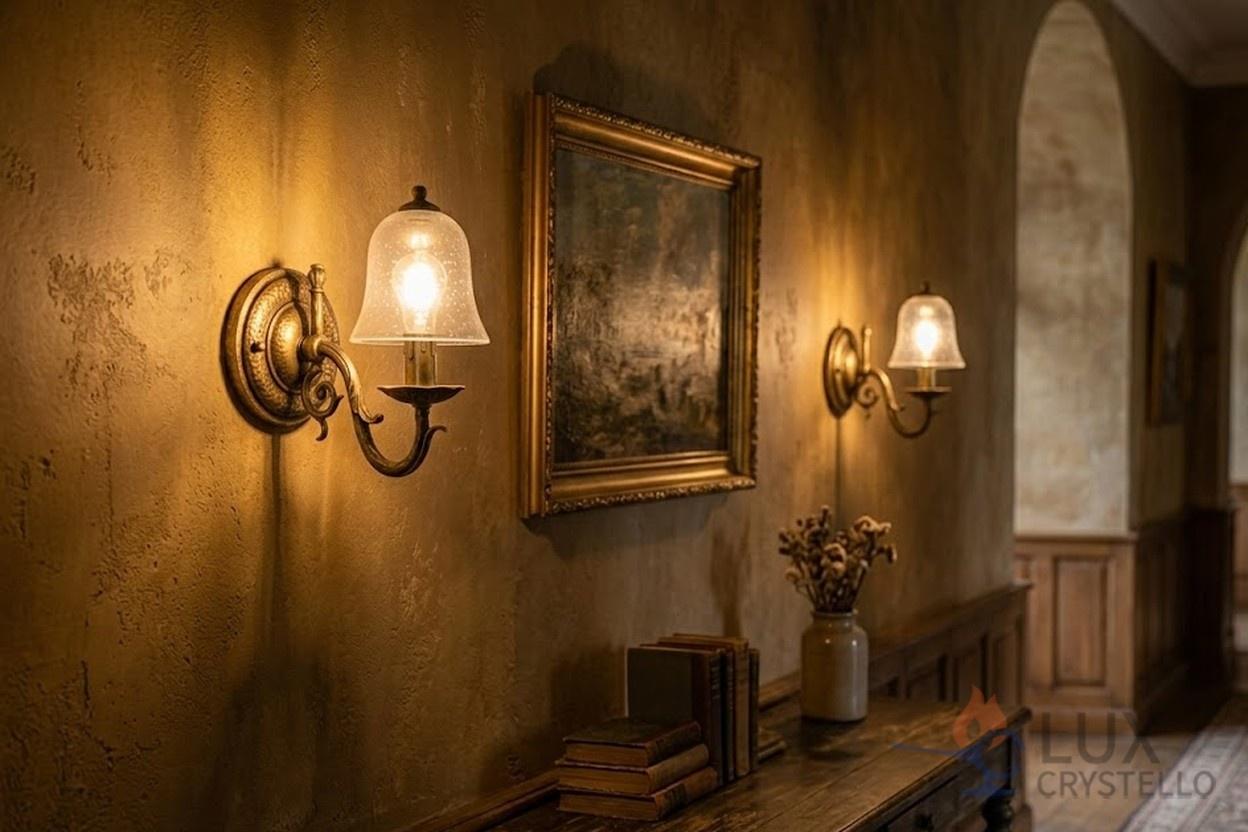
Functionally, wall lights are often used for ambient or accent lighting rather than primary illumination. For B2B buyers, this makes them highly versatile products. A well-designed vintage wall sconce can be used in corridors, bedrooms, dining areas, or decorative feature walls, allowing one model to serve multiple applications across different projects.
Why Vintage Wall Lights Work Well in Commercial and Residential Projects
One reason vintage wall lights remain popular is their ability to blend into both traditional and modern interiors. In contemporary spaces, they add warmth and contrast; in classic interiors, they reinforce the overall design language. This adaptability makes classic wall lighting a low-risk category for distributors and project suppliers.
From a commercial standpoint, vintage wall lights also support repeat sales. Hotels, restaurants, and multi-unit residential projects often require consistent fixtures across multiple locations. Buyers value designs that are visually distinctive yet not overly trend-driven, ensuring availability and relevance over longer product cycles.
Materials, Craftsmanship, and Quality Factors in Vintage Wall Lighting
Material choice is a key indicator of quality in vintage wall lighting. Many higher-end designs use metal bodies, particularly brass wall light constructions, due to their durability, weight, and ability to support refined detailing. Glass shades, fabric diffusers, or exposed bulbs are commonly used to shape light output.
For B2B buyers, craftsmanship details matter. Secure mounting structures, smooth arm joints, and consistent surface finishes all affect long-term performance. Electrical components should be designed to meet common international standards, and while certifications like CE or UL depend on target markets, fixtures should always be engineered with safety and compliance in mind.
Applications and Market Opportunities for Vintage Wall Light Wholesale
Vintage wall lights are widely used in hospitality settings such as hotels, cafés, and restaurants, where atmosphere is a key selling point. They are also popular in residential projects, particularly in bedrooms, stairways, and living areas where space-saving lighting is needed.
In wholesale terms, vintage wall light wholesale products tend to perform well in mid- to high-end segments. Markets in Europe and North America continue to show steady demand for decorative wall lighting, especially when designs emphasize craftsmanship and material authenticity. Offering multiple finishes or subtle design variations can further expand market reach without increasing product complexity.
FAQ About Vintage Wall Lights
What materials are commonly used in vintage wall lights?
Metal bases—often brass or iron—are widely used, paired with glass, fabric, or metal shades. These materials help achieve both durability and a classic appearance.
How does an antique style wall lamp differ from a true antique fixture?
An antique style wall lamp is newly produced but inspired by historical designs. True antiques are original pieces and are rarely suitable for standardized B2B supply.
What quality and safety standards should buyers consider?
Buyers should check wiring quality, mounting stability, heat management, and compatibility with local electrical standards. Safety-focused design is essential for export markets.
What are typical MOQ and customization options?
MOQ varies depending on design complexity and finishing requirements. Many suppliers offer customization in finishes, dimensions, or shade options once MOQ thresholds are met.
What installation and maintenance issues should be noted?
Clear installation instructions, secure wall mounting, and proper packaging help reduce on-site issues. Regular cleaning and appropriate finishes support long-term appearance.
Final Thoughts on Sourcing Vintage Wall Lights
For professional buyers, a vintage wall light offers a strong balance between design appeal and commercial practicality. Its versatility across projects, combined with relatively stable demand, makes it a reliable category within lighting collections. By focusing on material quality, craftsmanship, and supplier consistency, buyers can minimize risk while meeting diverse market expectations.
What matters most to you when selecting a vintage wall light for your next project or wholesale program?
A Thoughtful Next Step for B2B Buyers
When expanding your wall lighting range, consider testing a small selection of vintage wall light designs across different finishes and applications. Early feedback from projects or key clients can help refine specifications before scaling up for larger wholesale orders.