
Blogpost keywords:lost wax copper floor table lamp factory, copper floor table lamp manufacturer, lost wax casting floor table lamp
Lost wax copper floor table lamp factory insights for B2B buyers, covering lost wax casting floor table lamp quality and copper floor table lamp manufacturer sourcing.
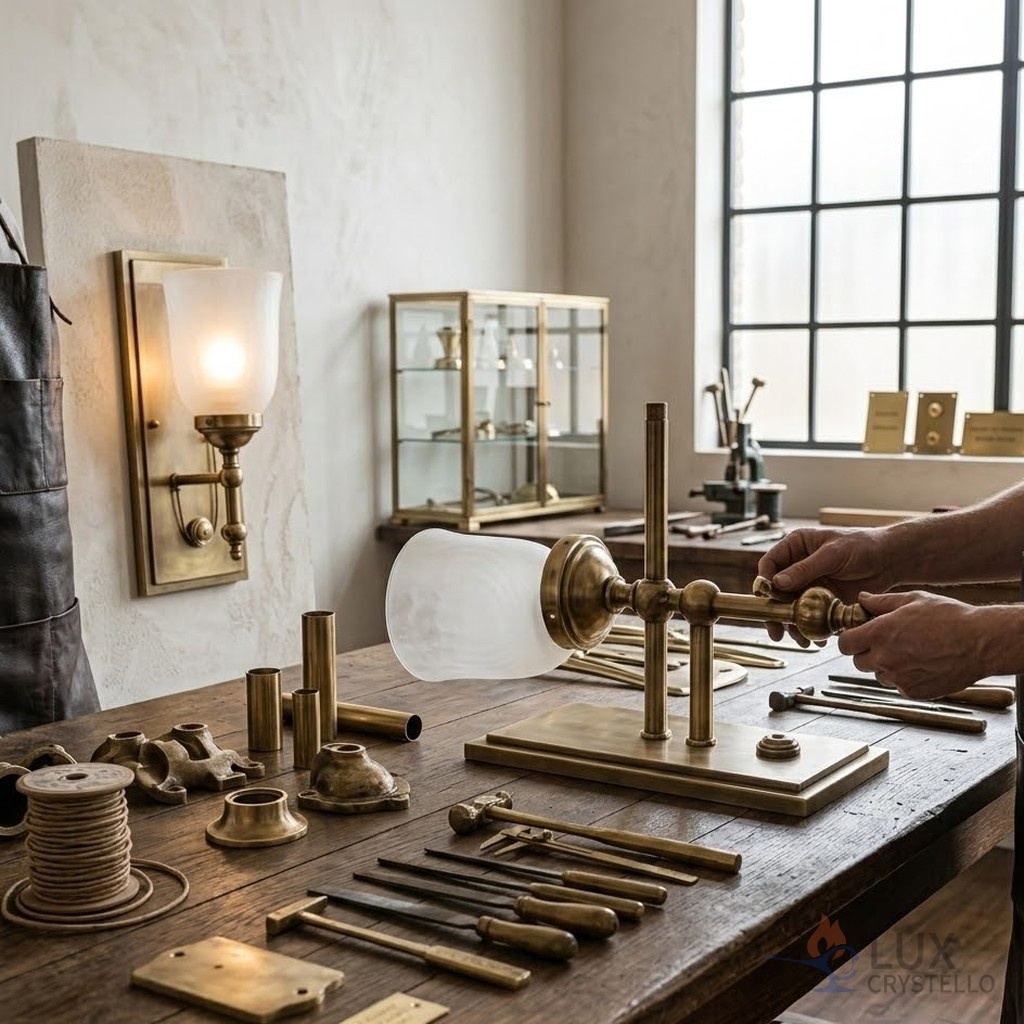
Lost Wax Copper Floor Table Lamp Factory: Craftsmanship, Design, and B2B Sourcing Insights
In decorative lighting collections, floor lamps and table lamps often define the tone of a space. They are close to the user, highly visible, and expected to feel solid and refined. For professional buyers, this makes the manufacturing process especially important. Working with a lost wax copper floor table lamp factory is often a deliberate choice to ensure both visual quality and long-term durability.
Unlike lightweight or mass-produced alternatives, copper lamps made through lost wax casting bring a sense of weight, balance, and craftsmanship that resonates with mid- to high-end markets. Understanding how these products are made helps B2B buyers source more confidently and position their collections more effectively.
What a Lost Wax Copper Floor Table Lamp Factory Means for Professional Buyers
A lost wax copper floor table lamp factory specializes in producing lamp bodies and key structural components using the lost wax casting method. Each part—such as the base, column, decorative joints, or lamp arms—is first sculpted in wax, then cast in molten copper to achieve precise shapes and consistent thickness.
For floor and table lamps, this process offers clear advantages. The base tends to be heavier and more stable, reducing tipping risks. Decorative details are sharper and more refined, which is important for lamps placed at eye level or within arm’s reach.
From a B2B perspective, this means fewer quality issues, better consistency across batches, and products that naturally fit into premium or design-led lighting ranges.
Why Lost Wax Casting Is Ideal for Copper Floor and Table Lamps
Lost wax casting floor table lamp production is particularly well suited to copper because it balances strength and design flexibility. Copper cast through this method has uniform density, which improves structural integrity—especially important for tall floor lamps or lamps with extended arms.
Another advantage lies in surface finishing. Lost wax casting creates a smooth, clean base that responds well to brushing, polishing, or antique patina treatments. This supports the handcrafted look associated with handmade copper lamps, even when produced in controlled volumes.
For copper floor table lamp manufacturers, the method also supports repeatability. Once molds are approved, designs can be reproduced reliably, helping distributors manage long-term supply and seasonal programs without visual inconsistency.
Design Applications and Market Positioning of Copper Floor Table Lamps
Copper floor and table lamps are widely used in residential interiors, boutique hotels, lounges, and lifestyle-focused commercial spaces. They work well beside sofas, beds, reading chairs, or consoles, where both function and appearance matter.
In export markets, demand is strong for French style copper lighting that feels timeless rather than trend-driven. Brass and copper lamp designs are often preferred for their warmth, durability, and ability to age gracefully over time.
For B2B buyers, these lamps are easy to position as statement pieces or as part of coordinated collections. Matching finishes across floor lamps, table lamps, and wall lights helps create a cohesive product story that appeals to distributors and project clients alike.
Common Sourcing Considerations When Choosing a Copper Floor Table Lamp Manufacturer
Despite their advantages, sourcing from a copper floor table lamp manufacturer requires careful planning. One key consideration is weight. Solid copper components improve stability but also affect shipping costs and packaging requirements. Buyers should confirm carton strength and internal protection early.
Customization is another common topic. While many factories offer custom lighting manufacturer services, changes to cast components usually require new molds. Understanding mold fees, ownership, MOQ, and development timelines helps avoid delays.
Electrical compliance should not be overlooked. Although the lamp body is decorative, wiring, sockets, and switches must meet the safety standards of the target market.
FAQ About Lost Wax Copper Floor Table Lamp Factory
What is the difference between lost wax casting and other metal lamp production methods?
Lost wax casting allows finer details, smoother surfaces, and more consistent thickness than stamping or basic casting methods.
How does copper material affect lamp stability and durability?
High-quality copper adds weight and strength, improving balance and reducing deformation over time.
Are lost wax copper floor and table lamps suitable for EU, UK, and US markets?
Yes, provided electrical components comply with standards such as CE or UL requirements.
What are typical MOQ and customization options?
MOQ varies by design complexity. Common custom options include finishes, base size, height, and decorative details.
What should buyers consider regarding lead time, packaging, and safety?
Lead times are longer due to casting and hand-finishing. Proper packaging and stability testing are essential for safe delivery and use.
Working with the Right Lost Wax Copper Floor Table Lamp Factory
Choosing the right lost wax copper floor table lamp factory is not just about sourcing a product—it’s about securing a reliable manufacturing partner. Experienced factories understand how to balance craftsmanship, consistency, and export requirements, making long-term cooperation smoother.
Clear specifications, early sampling, and realistic timelines help ensure that copper floor and table lamp collections meet market expectations and maintain stable quality.