
Blogpost keywords:lost wax copper crystal floor lamp factory, copper crystal floor lamp manufacturer, lost wax casting crystal floor lamp
Lost wax copper crystal floor lamp factory insights for B2B buyers, covering lost wax casting crystal floor lamp quality and copper crystal floor lamp manufacturer sourcing.
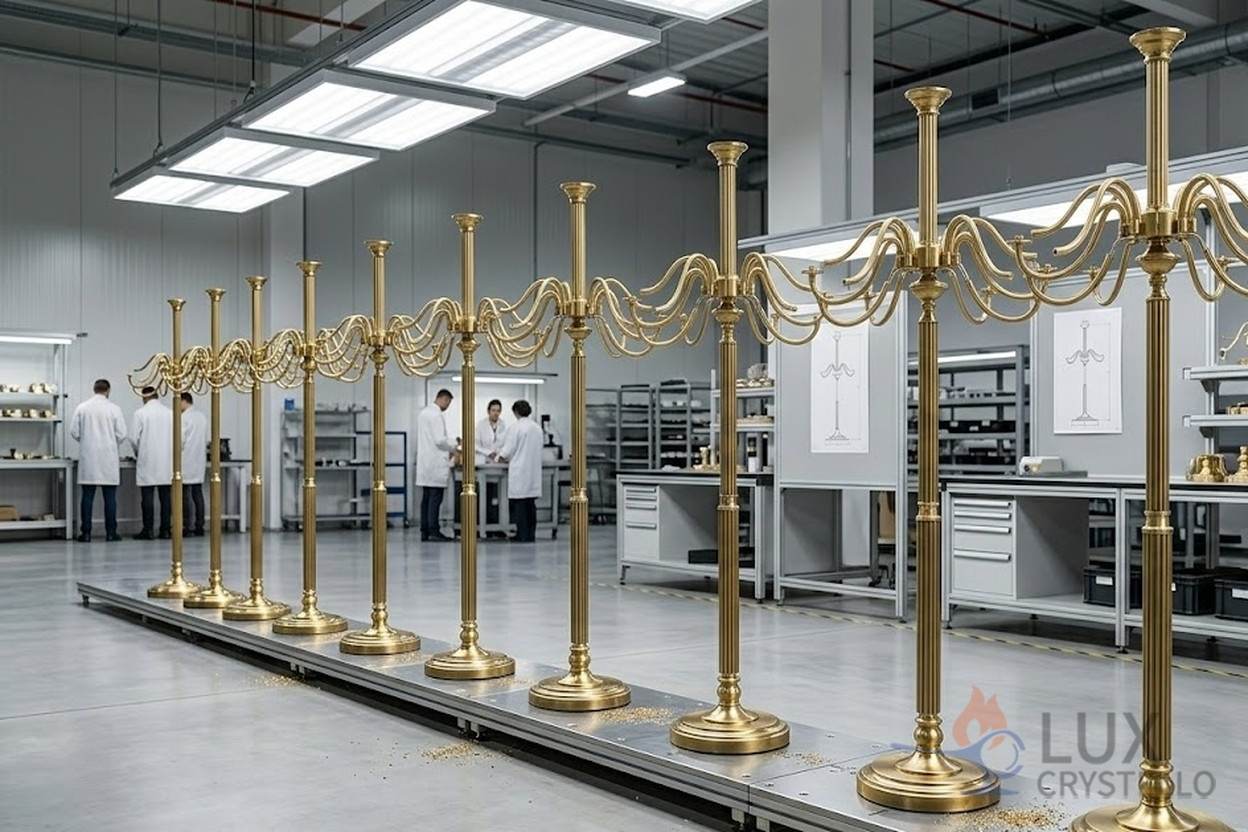
Lost Wax Copper Crystal Floor Lamp Factory: Craftsmanship, Materials, and B2B Sourcing Insights
Crystal floor lamps sit at the intersection of structure and sparkle. They need a solid metal foundation to support height and weight, while also presenting refined visual details that feel elegant rather than excessive. For professional buyers, this balance is not easy to achieve with standard production methods. That is why many importers and distributors choose to work with a lost wax copper crystal floor lamp factory when sourcing statement lighting for premium interiors.
By combining traditional lost wax casting with carefully selected crystal elements, these factories offer products that feel substantial, decorative, and reliable—key factors for B2B buyers serving design-driven markets.
What a Lost Wax Copper Crystal Floor Lamp Factory Means for Professional Buyers
A lost wax copper crystal floor lamp factory specializes in producing floor lamp structures using the lost wax casting process, while integrating crystal components into the final design. Core metal parts—such as the base, column, arms, or decorative connectors—are first modeled in wax and then cast in molten copper to achieve precise shapes and consistent thickness.
For crystal floor lamps, this process is especially important. The weight of crystal drops, columns, or accents places additional stress on the lamp structure. Lost wax casting produces dense, solid copper components that offer better load-bearing performance than hollow or welded alternatives.
From a B2B perspective, this means improved stability, reduced risk of deformation, and a finished product that feels premium when installed in living rooms, hotel lounges, or upscale commercial spaces.
Why Lost Wax Casting Is Essential for Copper Crystal Floor Lamp Structure
Structural integrity is one of the biggest concerns when sourcing crystal floor lamps. Lost wax casting crystal floor lamp production ensures that key load-bearing parts—especially the base and central column—have uniform density and strength. This is critical for tall lamps where balance and center of gravity affect safety.
Another advantage lies in detail control. Crystal floor lamps often feature decorative copper elements that frame or support crystal pieces. Lost wax casting allows these details to be formed cleanly, without sharp joints or visible welds, resulting in a smoother and more refined appearance.
For a copper crystal floor lamp manufacturer, this method also supports consistent finishing. Brushed, antique, or lightly polished copper surfaces provide an elegant contrast to crystal, reinforcing the handcrafted character expected in high-end lighting collections.
Design Applications and Market Positioning of Copper Crystal Floor Lamps
Copper crystal floor lamps are typically positioned as statement pieces rather than purely functional lighting. They are commonly used in living rooms, hotel lobbies, boutique retail spaces, and executive offices where decorative impact matters.
In export markets, demand is often driven by French style crystal lighting and classic European aesthetics. Buyers look for designs that feel timeless—where crystal adds lightness and brilliance, while copper brings warmth and structure. Brass and copper crystal lamp combinations are particularly popular for their ability to age gracefully and complement both traditional and transitional interiors.
For distributors and project buyers, these lamps are often sold as part of coordinated collections, paired with matching wall lights or chandeliers to create a cohesive lighting story.
Common Sourcing Challenges When Choosing a Copper Crystal Floor Lamp Manufacturer
Sourcing crystal floor lamps involves more complexity than sourcing metal-only products. One key challenge is material coordination. The quality of copper casting must match the clarity and consistency of the crystal components. Buyers should always review full samples, not just metal parts.
Packaging is another critical factor. Crystal elements are fragile, and solid copper components are heavy. A reliable copper crystal floor lamp manufacturer will design protective internal packaging that prevents movement and impact during transport.
Customization also requires careful planning. While many factories offer custom floor lamp supplier services, changes to cast copper parts may require new molds, affecting MOQ, cost, and lead time. Clear communication upfront helps avoid delays and misunderstandings.
FAQ About Lost Wax Copper Crystal Floor Lamp Factory
How does lost wax casting affect the stability of crystal floor lamps?
It creates solid, evenly weighted copper components that improve balance and safely support crystal elements.
What types of copper and crystal materials are commonly used?
High-purity copper or copper alloys are typically paired with glass crystal or lead-free crystal, depending on market requirements.
Are copper crystal floor lamps suitable for EU, UK, and US markets?
Yes, provided wiring, plugs, and grounding comply with local safety standards such as CE or UL requirements.
What are typical MOQ and customization options?
MOQ depends on design complexity. Customization often includes finishes, crystal shape, lamp height, and decorative details.
What should buyers consider regarding lead time, packaging, and maintenance?
Lead times are longer due to casting and hand assembly. Maintenance involves gentle dusting and careful handling of crystal parts.
Working with the Right Lost Wax Copper Crystal Floor Lamp Factory
Choosing the right lost wax copper crystal floor lamp factory is about more than design appeal. It is about finding a partner who understands structure, materials, and export requirements at the same time. Experienced factories know how to balance copper weight, crystal placement, and finishing details to deliver products that perform well in real environments.
For professional buyers, success comes from early sampling, clear specifications, and realistic production planning.