
Blogpost keywords:lost wax copper antique lamp factory, copper lamp manufacturer, lost wax casting lamps
Discover the advantages of sourcing copper antique lamps from a lost wax casting factory. Learn about customization, lead times, and design precision.
Lost Wax Copper Antique Lamp Factory: Crafting Timeless Elegance for B2B Buyers
Copper antique lamps are more than just lighting fixtures; they are pieces of art that bring sophistication, history, and a unique charm to any space. For professional buyers sourcing high-end lighting solutions, understanding the craftsmanship behind these lamps is essential. A lost wax copper antique lamp factory uses a traditional casting technique to create intricate, durable, and aesthetically captivating lamps. This article explores how sourcing from such a factory ensures exceptional quality and why this process is ideal for the production of antique-style lamps.
What a Lost Wax Copper Antique Lamp Factory Brings to Professional Buyers
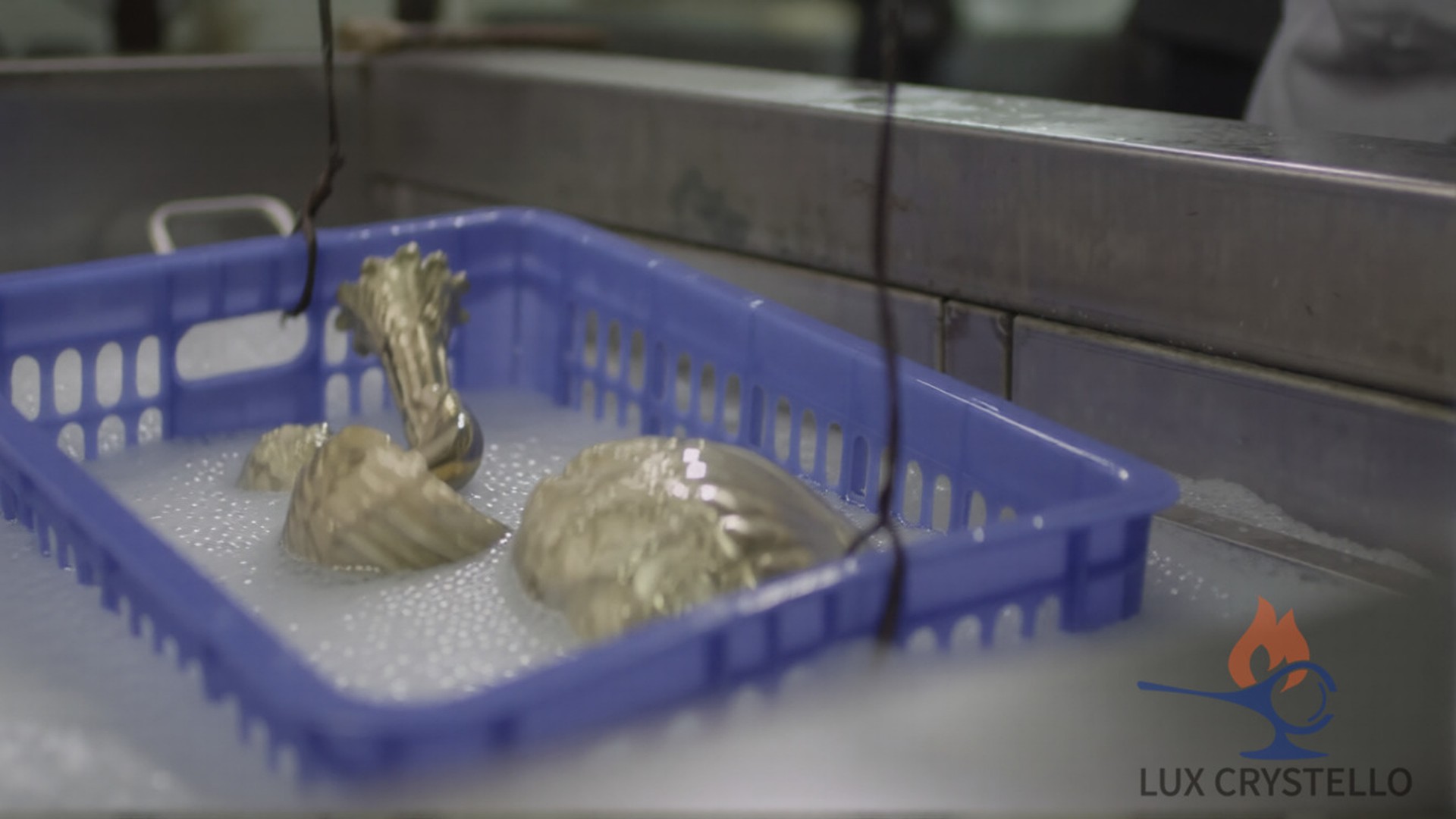
A lost wax copper antique lamp factory specializes in crafting lamps using the lost wax casting method. This process begins with creating a wax model of the lamp design, which is then coated with a heat-resistant mold. Once the mold hardens, the wax is melted away, and molten copper is poured into the mold, creating a highly detailed and solid lamp. This technique allows for the creation of exquisite antique designs with intricate detailing that cannot easily be achieved with other methods.
For professional buyers, the benefit of sourcing from such a factory lies in the fine craftsmanship and durability of the final product. Copper, known for its strength and timeless appeal, ensures that these lamps not only serve as decorative pieces but also stand the test of time. Lost wax casting guarantees consistency and precision, making it ideal for bulk orders that require uniformity in design and quality.
Why Lost Wax Casting Is Essential for Crafting High-Quality Copper Lamps
The lost wax casting process is crucial for creating high-quality copper lamps because it allows for detailed, complex designs. The intricate elements of antique-style lamps—whether it’s the ornate base, detailed figurines, or decorative filigree—can only be created with this precision technique. The casting process ensures that every piece is solid, without weak spots, and maintains its structural integrity.
Copper’s natural patina, which enhances over time, gives the lamps a vintage, timeless feel that appeals to buyers looking for both functionality and aesthetics. The casting process also allows for customization in finishes, from polished copper to an aged, antique look, catering to various interior design preferences.
Design Applications and Market Positioning of Copper Antique Lamps
Copper antique lamps are highly versatile and fit into a variety of settings, from residential homes to luxury hotels and boutiques. They are often used as statement pieces in living rooms, dining areas, and even outdoor spaces. The warm glow of copper combined with intricate designs makes these lamps ideal for French-style, vintage, or classical décor.
For B2B buyers, copper lamps created through lost wax casting are a valuable asset for their collections. They can position these lamps as part of a premium product line, highlighting their unique craftsmanship and long-lasting appeal. Antique-style lamps made from copper and created with precision casting are also perfect for interior designers, wholesalers, and hospitality projects seeking exclusive lighting solutions.
Common Sourcing Challenges When Choosing a Copper Antique Lamp Manufacturer
Sourcing copper antique lamps involves several important considerations. One of the main challenges is ensuring the consistency and quality of the casting. While lost wax casting is known for precision, it is essential to verify that the factory maintains quality control measures to avoid defects. Requesting samples or prototypes is recommended before committing to a bulk order.
Customization options are another key factor. Many buyers seek to customize the size, finish, or design of their lamps. Creating new molds for customized designs may result in higher minimum order quantities (MOQ) and longer lead times, so it’s important to clarify these aspects with the manufacturer before placing an order.
The weight of copper can also present shipping challenges. Buyers should ensure that the factory uses protective packaging to prevent damage during transit and discuss shipping costs for heavy products.
FAQ About Lost Wax Copper Antique Lamp Factory
What makes lost wax casting ideal for copper antique lamps?
Lost wax casting allows for intricate designs and ensures the lamp is solid and durable. The process produces highly detailed pieces that are perfect for antique-style lamps.
How do copper antique lamps compare to other materials in terms of quality and durability?
Copper is highly durable and resistant to corrosion, making it an excellent choice for long-lasting lamps. Its natural patina gives it a unique aesthetic, improving with age.
Are lost wax copper lamps suitable for European and North American markets?
Yes, as long as the copper lamps meet the necessary certifications, such as CE and UL, they are suitable for these markets.
What are typical MOQ and customization options?
MOQ varies depending on the complexity of the design. Customization options include changes in size, finish, and unique design features, but these may require additional molds and longer lead times.
What should buyers consider regarding lead time, packaging, and maintenance?
Lead times for lost wax casting can be longer due to the detailed process. Proper packaging is essential to protect the lamps during shipping. Copper lamps should be cleaned regularly with a soft cloth to maintain their finish and natural patina.
Working with the Right Lost Wax Copper Antique Lamp Factory
Choosing the right lost wax copper antique lamp factory is crucial for ensuring the lamps meet both aesthetic and functional expectations. Buyers should look for manufacturers with experience in precision casting and a commitment to quality control. Communication is key to ensuring that custom designs and production schedules align with the buyer’s needs.