
Blogpost keywords: lost wax copper table lamp manufacturing, custom copper table lamp manufacturing, lost wax table lamp casting
Lost wax copper table lamp manufacturing for B2B buyers, covering custom copper table lamp manufacturing and lost wax table lamp casting processes.
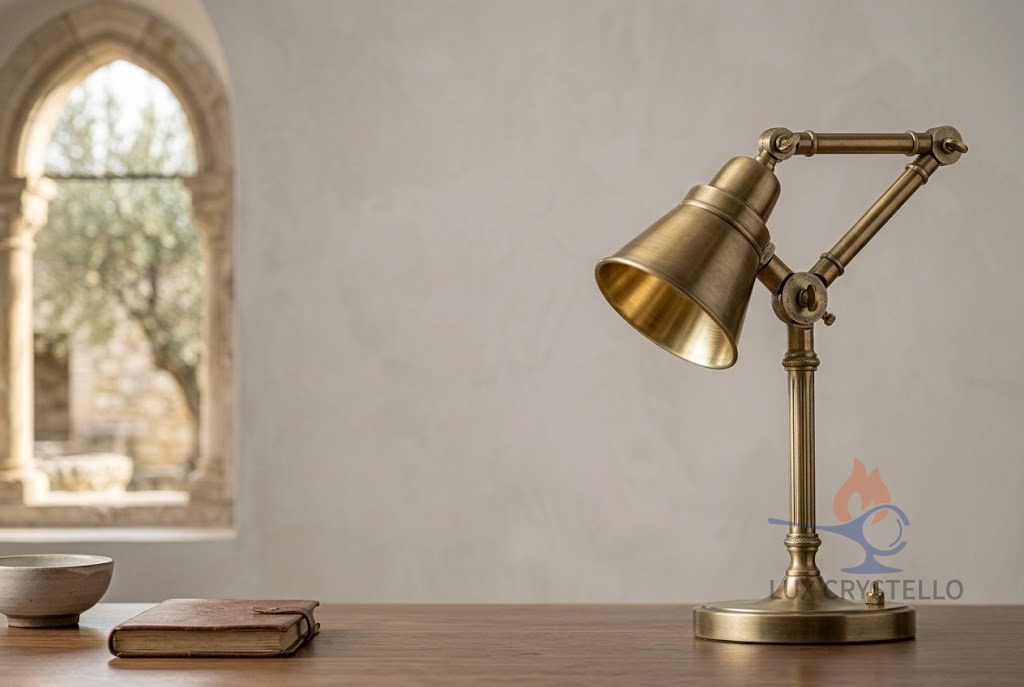
Lost Wax Copper Table Lamp Manufacturing: Process, Craft, and B2B Value
Lost wax copper table lamp manufacturing combines traditional metal casting with modern lighting production needs. For buyers sourcing decorative yet reliable table lamps, this method offers a balance between craftsmanship, consistency, and controlled customization. Unlike mass-produced stamped or welded lamps, lost wax casting allows copper to take on more refined forms while maintaining structural strength.
For B2B buyers, understanding how this manufacturing process works is not just about design appreciation. It directly affects product quality, lead time, pricing logic, and how well a lamp performs in real commercial or residential environments. Knowing the fundamentals helps buyers make more informed sourcing decisions and communicate more effectively with suppliers.
Lost Wax Copper Table Lamp Manufacturing: Concept and Background
Lost wax copper table lamp manufacturing originates from a casting technique historically used in sculpture and fine metal objects. The process begins with a wax model that defines the final shape of the lamp body or decorative components. This wax form is coated with a heat-resistant shell, which becomes the mold once the wax is melted away.
Molten copper is then poured into the cavity, capturing the exact details of the original wax model. After cooling, the mold is broken, and the copper part is cleaned, refined, and prepared for assembly. Because each mold is formed around the wax model, the process naturally supports detailed designs and smooth contours.
In modern lighting production, this traditional method is adapted to meet electrical safety standards and production planning needs, making it suitable for professional table lamp manufacturing rather than purely artistic objects.
Why Lost Wax Casting Is Ideal for Copper Table Lamps
Copper behaves especially well in lost wax casting. Its fluidity when heated allows it to fill intricate molds, producing curves, joints, and transitions that would be difficult or labor-intensive to fabricate by hand. This makes lost wax table lamp casting ideal for decorative copper lighting with sculptural or organic forms.
From a functional standpoint, cast copper components tend to be solid and stable. Table lamps require good weight distribution and balance, particularly when paired with fabric or glass shades. Lost wax casting produces thicker, more uniform structures that help prevent wobbling and improve durability.
Another advantage is surface versatility. After casting, copper can be polished, brushed, or aged to suit different market preferences. This flexibility supports handcrafted table lamps that appeal to classic, vintage, or contemporary interiors without changing the core manufacturing process.
Manufacturing Logic: From Design to Small Batch Production
In custom copper table lamp manufacturing, the design phase plays a crucial role. Dimensions, proportions, and internal space for wiring must be planned before the wax model is made. Unlike fabricated lamps that can be adjusted during assembly, changes after casting are limited and often costly.
One key strength of lost wax copper table lamp manufacturing is its suitability for small batch lighting production. While each design requires initial mold preparation, it does not rely on high-volume tooling like stamping dies. This allows buyers to order limited quantities for project-based needs or curated collections.
However, buyers should factor in lead time. Casting, finishing, and assembly are labor-intensive steps, and electrical integration must be handled carefully to meet safety expectations. Clear communication about specifications, finishes, and packaging helps suppliers maintain quality while keeping production schedules realistic.
Common Applications and Market Scenarios for B2B Buyers
Lost wax copper table lamps are often used where lighting serves both functional and decorative roles. Hospitality projects such as boutique hotels, restaurants, and lounges favor these lamps for their tactile quality and visual presence. In residential markets, they are commonly positioned as accent pieces rather than basic lighting.
For distributors and retailers, handcrafted copper table lamps fit well into premium or niche product lines. Instead of competing on price, these products emphasize material authenticity and craftsmanship, which supports higher perceived value.
Because small batch lighting production is feasible, buyers can test designs or respond to project demand without committing to excessive inventory. This flexibility is particularly attractive in markets where trends evolve quickly or customization is expected.
FAQ About Lost Wax Copper Table Lamp Manufacturing
What is the difference between lost wax table lamp casting and fabricated metal lamps?
Lost wax casting forms solid copper components from molds, allowing more detailed shapes and smoother surfaces than bending or welding metal sheets.
What copper materials are commonly used in table lamp manufacturing?
Most manufacturers use refined copper alloys selected for casting stability, strength, and compatibility with different finishes.
Is lost wax copper table lamp manufacturing suitable for small batch orders?
Yes. This process is well suited to small batch lighting production, as it does not require high-volume tooling.
What is the typical lead time for custom copper table lamps?
Lead time varies by design complexity and finishing requirements, often ranging from several weeks to a few months.
What quality and safety factors should buyers pay attention to?
Structural stability, secure wiring paths, and compliance with electrical standards are critical for safe and reliable use.
Balancing Craftsmanship and Commercial Value
Lost wax copper table lamp manufacturing allows buyers to offer products that stand out without sacrificing consistency or practicality. It bridges traditional metalworking with modern supply expectations, making it a valuable option for design-focused lighting collections.
What matters most to you when choosing lost wax copper table lamp manufacturing for your next project or product line?
Exploring the Right Manufacturing Partner
When working with suppliers experienced in lost wax copper table lamp manufacturing, clear expectations and realistic timelines are key. Understanding the process helps buyers collaborate more effectively and achieve results that align with both design goals and commercial requirements.