
Blogpost keywords: lost wax copper wall light manufacturing, custom copper wall lights, lost wax casting lighting
Lost wax copper wall light manufacturing explained for B2B buyers, covering custom copper wall lights, lost wax casting lighting, and architectural wall lighting use.
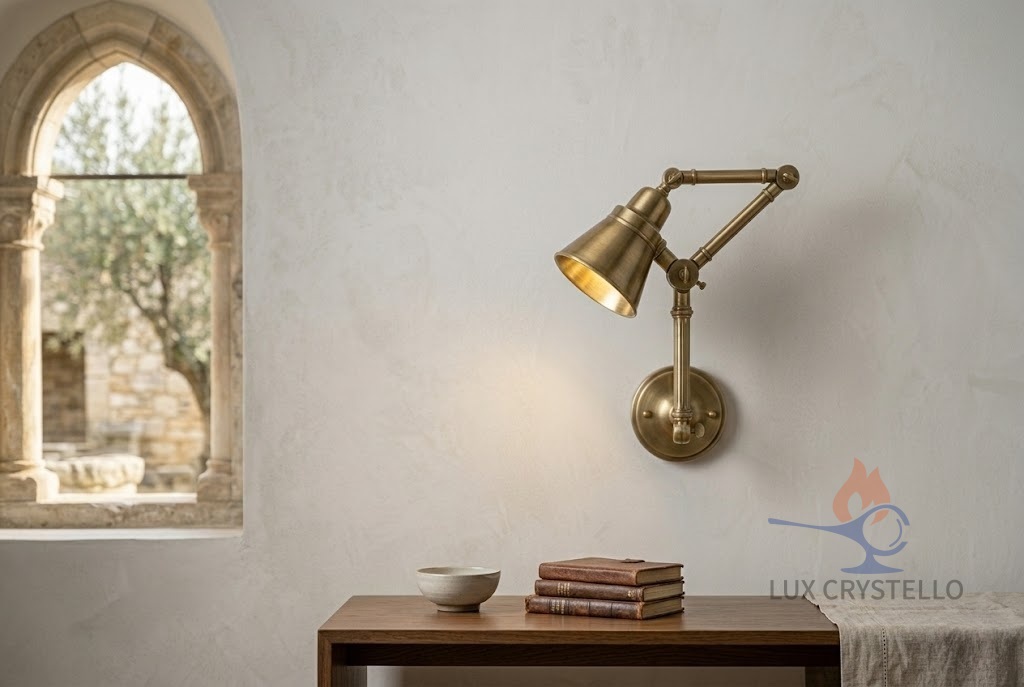
Lost Wax Copper Wall Light Manufacturing: Process, Craftsmanship, and B2B Sourcing Insights
When buyers look for wall lighting that balances durability, character, and design flexibility, lost wax copper wall light manufacturing often stands out as a preferred solution. This traditional casting technique allows manufacturers to create wall lights with rich textures, complex forms, and a handcrafted feel that mass-produced fixtures rarely match. For B2B buyers, understanding how these lights are made is not just a matter of curiosity—it directly affects quality consistency, customization potential, and long-term project reliability.
In this article, we’ll break down the manufacturing process, explain why lost wax casting works so well for copper wall lights, and highlight what professional buyers should consider when sourcing for wholesale or contract projects.
Lost Wax Copper Wall Light Manufacturing: Process Overview and Background
Lost wax casting is one of the oldest metal-forming techniques, and its application in lost wax copper wall light manufacturing remains highly relevant today. The process starts with a wax model shaped exactly like the final wall light component. This wax model is coated with layers of refractory material to form a mold. Once hardened, the wax is melted out, leaving a cavity into which molten copper is poured.
After cooling, the mold is broken away, revealing a raw copper wall lamp body that closely matches the original wax design. Each piece then goes through trimming, surface finishing, and sometimes hand detailing. This method allows for subtle variations that give each decorative wall light a unique character while still maintaining controlled dimensions suitable for architectural wall lighting projects.
For B2B buyers, this process explains why lost wax products are often produced in small batches rather than high-volume automated lines. The trade-off is greater design freedom and a higher perceived value in the finished product.
Why Lost Wax Casting Is Ideal for Copper Wall Lights
Copper is particularly well suited to lost wax casting. Its fluidity when molten allows it to capture fine details such as curves, branches, or textured surfaces that are common in handcrafted lighting designs. Compared with stamped or spun metal parts, lost wax casting produces thicker, more solid components that feel substantial and durable.
In practical terms, this means a copper wall lamp made with lost wax casting can support more complex structures, heavier shades, or decorative elements without compromising stability. The technique also pairs well with natural finishes—aged copper, hand-applied patinas, or brushed surfaces—that are popular in hospitality and high-end residential projects.
From a sourcing perspective, lost wax casting lighting often appeals to buyers who want differentiation. While unit costs may be higher than standard fixtures, the resulting visual impact and long service life often justify the investment in architectural wall lighting applications.
Design Flexibility and Applications in Architectural Wall Lighting
One of the strongest advantages of lost wax manufacturing is design flexibility. Because each mold starts from a wax model, manufacturers can adjust proportions, arm lengths, mounting plates, or decorative details without retooling expensive machinery. This makes custom copper wall lights practical even at relatively low order quantities.
These fixtures are commonly used in boutique hotels, luxury residences, heritage renovations, and upscale retail spaces. Designers favor them for corridors, bedside lighting, feature walls, and accent areas where lighting doubles as décor. The handcrafted nature of the product aligns well with projects that emphasize authenticity and material honesty.
For distributors and project buyers, this flexibility means wall lights can be tailored to different markets—traditional, transitional, or contemporary—while still relying on the same core manufacturing process.
Key Manufacturing and Sourcing Considerations for B2B Buyers
When evaluating suppliers, B2B buyers should look beyond appearance. Ask how consistency is managed in small-batch production and how critical dimensions are controlled during casting and finishing. Experienced manufacturers usually rely on master wax models and standardized inspection points to reduce variation.
Lead time is another key factor. Lost wax copper wall light manufacturing typically involves multiple manual steps, so production cycles are longer than mass-produced items. Buyers should clarify timelines early, especially for large architectural wall lighting projects.
Packaging and transport also deserve attention. Solid copper fixtures are heavy, and proper internal protection is essential to prevent surface damage during shipping. Reputable suppliers will offer reinforced packaging and clear guidance on installation and maintenance to support long-term performance.
FAQ About Lost Wax Copper Wall Light Manufacturing
What type of copper is typically used in lost wax wall lights?
Most manufacturers use high-purity copper or copper alloys chosen for casting stability and surface finish. The exact composition may vary depending on strength and patina requirements.
How consistent is quality in small-batch production?
While each piece may show minor handcrafted variation, professional workshops use standardized molds, gauges, and finishing checks to maintain consistent dimensions and performance.
What customization options are usually available?
Common options include size adjustments, arm shape changes, surface finishes, patina tones, and mounting configurations for different wall conditions.
What are typical MOQ and lead times?
MOQs are often lower than mass-produced lighting, but lead times are longer. Buyers should expect several weeks depending on complexity and order size.
Are there any special maintenance considerations?
Copper wall lamps benefit from gentle cleaning and, if desired, periodic surface treatment to preserve or stabilize the finish, especially in humid environments.
A Practical Approach to Sourcing Lost Wax Copper Wall Lights
For buyers considering lost wax copper wall light manufacturing as part of their product lineup or project specification, the key is alignment. Choose suppliers whose craftsmanship level, production capacity, and communication style match your expectations. A well-made decorative wall light is not just a fixture—it’s a long-term design element that reflects both material quality and manufacturing discipline.