
Blogpost keywords:lost wax copper floor table lamp, copper floor table lamp, lost wax casting copper lamp
Lost wax copper floor table lamp for B2B buyers, detailing copper floor table lamp craftsmanship, lost wax casting benefits, and sourcing tips for project reliability.
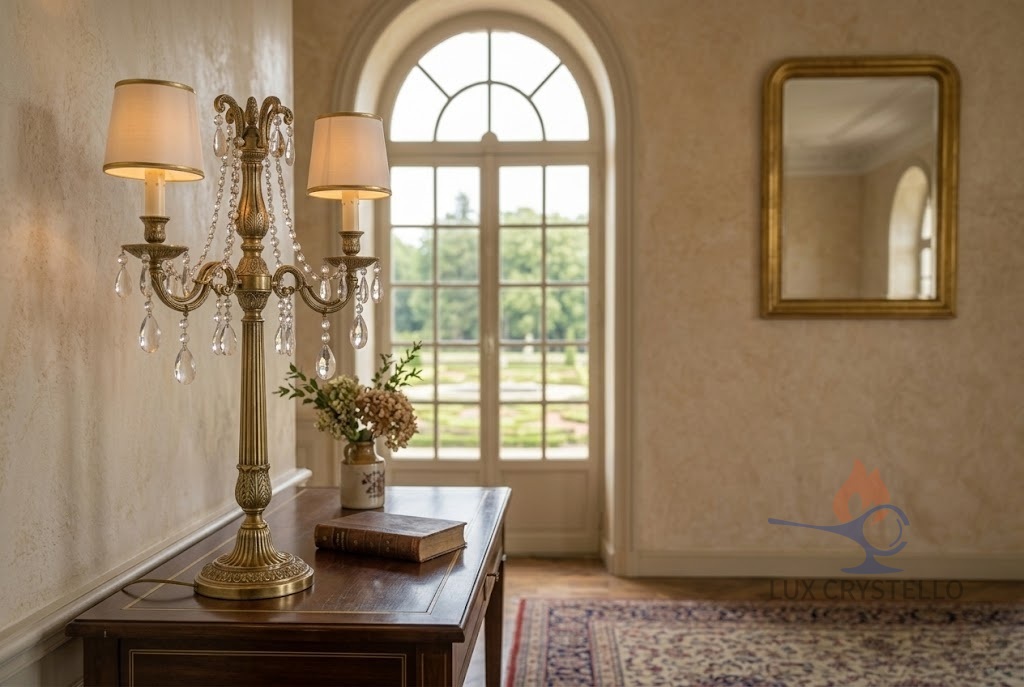
Lost Wax Copper Floor Table Lamp: Craftsmanship and Versatility for B2B Buyers
A lost wax copper floor table lamp represents the intersection of artisanal metalwork and functional interior lighting. For B2B buyers and distributors, it is not merely a source of illumination but a statement piece that adds warmth, texture, and a sculptural element to both residential and commercial spaces. Unlike mass-produced lamps, these pieces showcase the intricate detail and material authenticity that discerning clients value.
As interiors increasingly favor tactile, high-quality materials, copper floor and table lamps made through lost wax casting have gained popularity. For professional buyers, understanding the production process, application versatility, and sourcing nuances ensures these lamps meet both aesthetic and commercial expectations.
What Is a Lost Wax Copper Floor Table Lamp
A lost wax copper floor table lamp is produced through a centuries-old lost wax casting method. In this process, an artist sculpts a wax model of the lamp, which is then encased in a mold. Once the mold hardens, the wax is melted away and replaced with molten copper, preserving intricate details and allowing for complex textures. This method creates a lamp that combines solidity, fine craftsmanship, and unique visual appeal.
Functionally, the lamp serves dual roles: as a floor lamp providing ambient or task lighting and as a table lamp offering accent illumination. This hybrid form makes it suitable for versatile applications, giving designers and B2B buyers the flexibility to position it in multiple settings, from hotel suites to living rooms and retail displays.
Why Lost Wax Casting Enhances Copper Floor Table Lamps
Lost wax casting elevates copper floor table lamps in both form and function. Copper, when cast, retains a natural weight and density, ensuring stability and a sense of premium quality. The handcrafted process allows for subtle surface variations that create depth and character, distinguishing each lamp as a unique artisan piece.
These lamps also benefit from durability and longevity. The casting process ensures that details like twisted stems, ornate bases, or decorative elements maintain their integrity over time. For distributors and project managers, this means a reliable product that meets both design and practical requirements, enhancing the value proposition for high-end clients.
Applications and Styling Ideas for Copper Floor Table Lamps
A lost wax copper floor table lamp fits naturally into multiple interior environments. In hospitality settings, such as hotel lobbies, lounges, and suites, these lamps offer warm ambient light while complementing wood, stone, and textile finishes. Their sculptural presence elevates corridors and seating areas alike.
In residential applications, these lamps work well on side tables, console surfaces, or as statement floor lamps beside reading chairs. Retail and boutique environments also benefit from their decorative appeal, using them to highlight merchandise or create intimate, inviting zones. For B2B buyers, the combination of aesthetic versatility and artisan quality makes these lamps appealing across diverse markets.
FAQ About Lost Wax Copper Floor Table Lamps
How does a lost wax copper floor table lamp differ from standard lamps?
Lost wax casting allows for intricate textures and unique sculptural details, which standard stamped or machined lamps often lack. Each lamp carries slight variations, giving it a handcrafted character.
What copper materials and finishes are commonly used?
Manufacturers typically use high-quality copper or copper alloys, finished in antique, brushed, or lightly polished styles to highlight texture and warmth.
Are these lamps suitable for contract, hospitality, or multi-location projects?
Yes, when sourced from reliable manufacturers, they meet durability, stability, and safety requirements for commercial applications.
What customization options exist for B2B buyers?
Options often include different finishes, adjustable heights, shade styles, base designs, and compatible light sources, allowing tailored solutions for project needs.
What are key considerations for MOQ, lead time, and shipping?
Due to the labor-intensive casting process, MOQs and lead times are higher than mass-produced lamps. Protective packaging is crucial to prevent surface damage during transit, and clear installation instructions help ensure smooth project deployment.
Key Sourcing Considerations for B2B Buyers
Consistency is essential when sourcing lost wax copper floor table lamps for multiple locations or bulk orders. Buyers should review samples to confirm finish, dimensions, and quality standards. Working with suppliers who understand B2B needs ensures predictable delivery schedules, repeatable quality, and clear communication on specifications.
Logistics is another critical factor. These lamps are heavier than typical lighting products, requiring secure packaging and careful handling. B2B buyers should verify supplier experience in shipping delicate artisan items and confirm ongoing supply capabilities to support phased projects or larger collections.
A Versatile Choice for Discerning Interiors
In conclusion, a lost wax copper floor table lamp offers B2B buyers a combination of craftsmanship, versatility, and aesthetic appeal. Its sculptural form, rich material, and hybrid functionality make it suitable for hospitality, residential, and retail projects that prioritize quality and design depth. By partnering with experienced suppliers, buyers can confidently introduce these artisan lamps into diverse interior settings.
What matters most to you when selecting a lost wax copper floor table lamp for your next project—design uniqueness, material quality, or sourcing reliability?
Soft CTA: Partnering with Skilled Manufacturers
When sourcing a lost wax copper floor table lamp, collaborating with manufacturers who balance traditional craftsmanship with B2B project requirements simplifies the process. Clear communication on specifications, realistic lead times, and customizable options ensures successful outcomes and long-term satisfaction.