
Blogpost keywords:lost wax copper floor lamp factory, copper floor lamp manufacturer, lost wax casting floor lamp
Lost wax copper floor lamp factory insights for B2B buyers, covering lost wax casting floor lamp quality and copper floor lamp manufacturer sourcing tips.
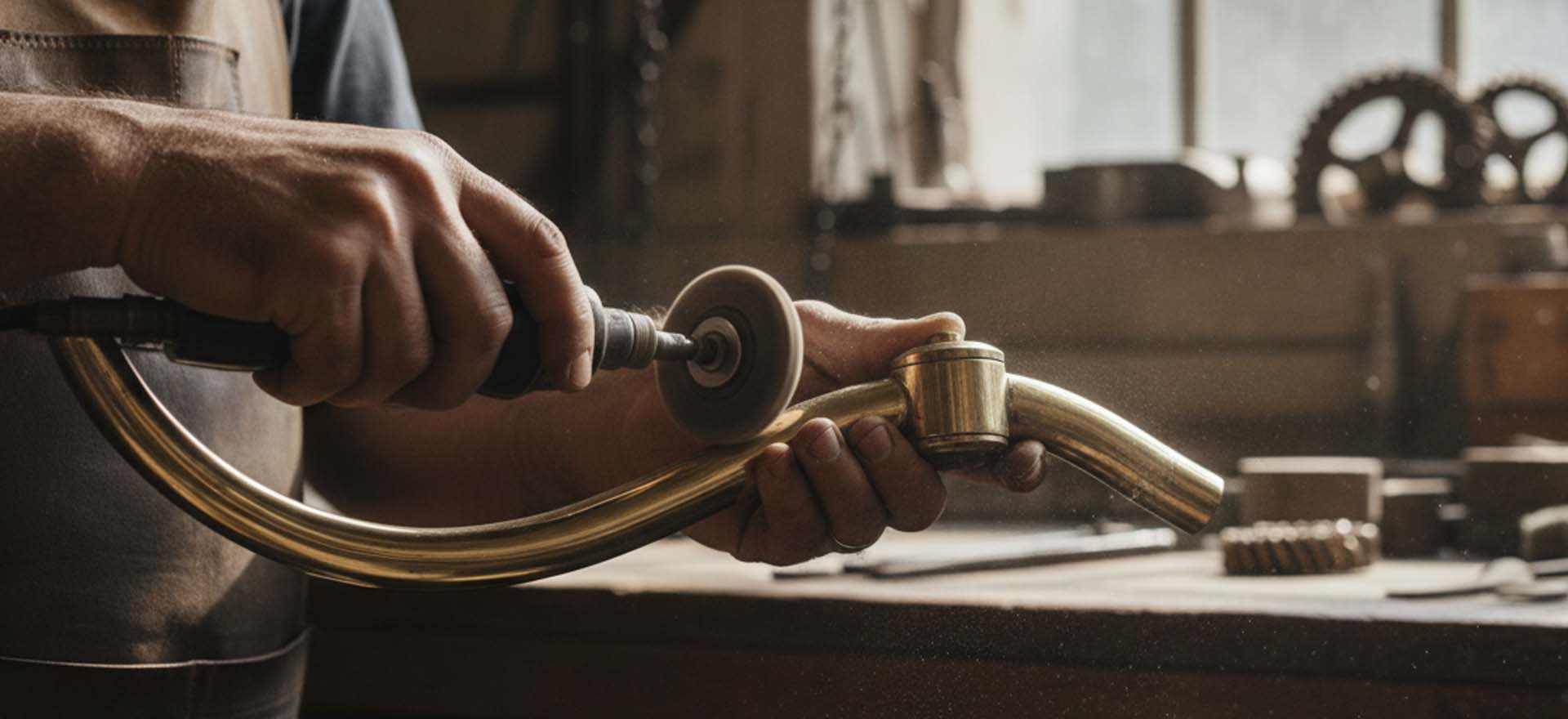
Lost Wax Copper Floor Lamp Factory: Craftsmanship, Structure, and B2B Sourcing Insights
Floor lamps play a unique role in interior lighting. They are not only functional light sources but also visual anchors in living spaces, hotels, and commercial interiors. For professional buyers, this makes manufacturing quality especially important. Choosing a lost wax copper floor lamp factory is often a strategic decision aimed at achieving both design sophistication and long-term structural reliability.
Unlike small décor items, floor lamps must balance height, weight, and stability. Understanding how lost wax casting supports these requirements can help buyers source products that perform well in real-world applications.
What a Lost Wax Copper Floor Lamp Factory Means for Professional Buyers
A lost wax copper floor lamp factory produces lamp bodies using the lost wax casting process, a traditional metal technique known for precision and strength. Each main component—such as the base, column, or decorative joints—is formed from a wax model before being cast in molten copper.
For floor lamps, this process offers clear advantages. Structural parts are more solid and evenly weighted, which improves balance and reduces the risk of tipping. Compared to welded or hollow metal structures, lost wax cast components tend to feel heavier and more refined.
From a B2B perspective, this means fewer quality complaints, better installation experiences, and products that align with mid- to high-end positioning in export markets.
Why Lost Wax Casting Is Important for Copper Floor Lamp Quality and Stability
Stability is one of the most critical factors in floor lamp design. A lost wax casting floor lamp benefits from consistent wall thickness and dense metal structure, especially in the base and load-bearing sections. This is essential for meeting safety expectations in residential and hospitality environments.
Another key benefit is surface integrity. Lost wax casting produces smooth transitions and clean details, which respond well to finishing techniques such as brushing, hand-polishing, or antique treatments. This is why many buyers associate these products with handmade copper floor lamp aesthetics.
For copper floor lamp manufacturers, the method also allows repeatable production once molds are finalized. This helps distributors maintain consistent quality across multiple orders and seasonal collections.
Typical Applications and Design Positioning of Copper Floor Lamps
Copper floor lamps produced with lost wax casting are commonly used in living rooms, hotel lounges, reading corners, and boutique commercial spaces. They work particularly well in interiors that emphasize warmth, texture, and timeless materials.
In international markets, demand often comes from buyers seeking alternatives to mass-produced steel or aluminum lamps. Brass and copper floor lamp designs offer a softer, more natural appearance that fits well with French, European classic, or transitional interior styles.
For distributors and project buyers, these lamps are often positioned as statement pieces. They may be paired with fabric or linen shades to adapt to local tastes while keeping the metal structure consistent across markets.
Common Sourcing Challenges When Working with a Copper Floor Lamp Manufacturer
Despite their advantages, sourcing from a copper floor lamp manufacturer requires careful planning. One common challenge is managing weight. Solid copper components increase stability but also affect shipping costs and packaging requirements. Buyers should confirm carton design and internal protection early.
Customization is another consideration. While many factories offer design adjustments, changes to cast components usually require new molds. Understanding mold costs, ownership, and MOQ helps avoid delays during development.
Lead time is also important. Lost wax casting involves multiple steps, including mold preparation and hand-finishing. Buyers should plan longer production cycles compared to simpler metal floor lamps, especially for large orders.
FAQ About Lost Wax Copper Floor Lamp Factory
How does lost wax casting affect the structure of floor lamps?
It creates denser, more balanced components, improving stability and reducing structural weak points.
What copper materials are commonly used for floor lamp bodies?
High-purity copper or copper-based alloys are typically used to balance strength, finish quality, and durability.
Are lost wax copper floor lamps suitable for EU, UK, and US markets?
Yes, provided electrical components, wiring, and grounding comply with local standards such as CE or UL.
What are typical MOQ and customization options for floor lamps?
MOQ varies by design complexity. Common custom options include finishes, height adjustments, and decorative details.
What should buyers consider regarding lead time, packaging, and safety?
Expect longer lead times due to casting and finishing. Proper packaging and base weight testing are essential for safe delivery and use.
Working with the Right Lost Wax Copper Floor Lamp Factory
Choosing the right lost wax copper floor lamp factory is about more than aesthetics. It involves evaluating manufacturing expertise, quality control, and communication efficiency. Factories experienced in lost wax casting understand the balance between craftsmanship and production scalability.
For professional buyers, clear specifications, early sampling, and realistic timelines help build long-term partnerships and consistent product lines.