
Blogpost keywords:lost wax copper wall light factory, lost wax copper wall light, copper wall light manufacturer
Lost wax copper wall light factory insights for B2B buyers, covering lost wax copper wall light production and copper wall light manufacturer sourcing tips.
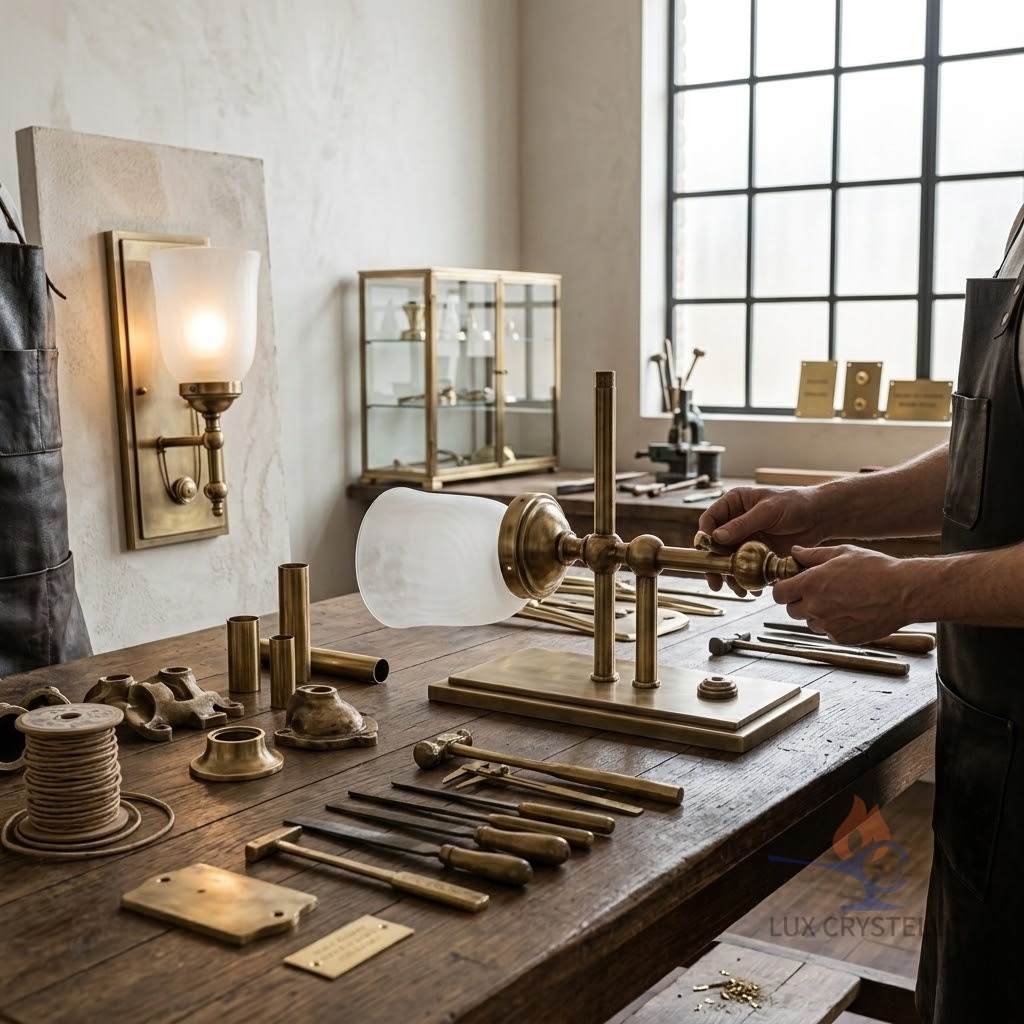
Lost Wax Copper Wall Light Factory: Craftsmanship, Quality, and B2B Sourcing Insights
In decorative wall lighting, details matter more than many buyers expect. From the thickness of the metal arm to the way light reflects off the surface, manufacturing choices directly affect both appearance and long-term performance. This is why many professional buyers turn to a lost wax copper wall light factory when sourcing mid- to high-end wall lighting for retail, hospitality, or project use.
For importers and distributors, understanding what happens behind the product—especially the casting method—helps reduce sourcing risks and improves product positioning across different markets.
What a Lost Wax Copper Wall Light Factory Means for Professional Buyers
A lost wax copper wall light factory produces wall lights using the lost wax casting process, a traditional metalworking technique known for precision and detail. Each component begins as a wax model, which is coated, fired, and replaced by molten copper. This allows complex shapes to be formed with clean edges and balanced proportions.
For wall lights, this process is especially valuable. Unlike table lamps, wall-mounted fixtures rely heavily on structural accuracy. A well-cast copper arm ensures proper wall alignment, weight distribution, and long-term stability. Many factories also combine casting with hand-finishing, giving each piece a subtle artisanal character without sacrificing consistency.
From a B2B perspective, this means fewer installation issues, better batch consistency, and products that feel more refined compared to stamped or welded alternatives.
Advantages of Lost Wax Copper Wall Lights in Decorative Lighting Projects
One of the main advantages of lost wax copper wall lights is design flexibility. Curved arms, sculpted backplates, and decorative details are easier to achieve with this method than with simpler manufacturing techniques. This is why lost wax casting is often associated with handmade copper wall lighting and classic European-inspired designs.
Another benefit is durability. Copper cast through lost wax methods typically has uniform density, reducing the risk of weak points. This is important for wall lights that may be installed in high-traffic environments such as hotels, corridors, or public spaces.
For buyers targeting premium segments, these products also carry strong visual value. The natural warmth of copper, combined with controlled surface finishes, makes decorative wall lights more appealing in lifestyle-focused collections.
Typical Applications and Market Demand for Copper Wall Lights
Copper wall lights produced by lost wax casting are commonly used in residential interiors, boutique hotels, restaurants, and heritage-style renovation projects. They work well as bedside lights, hallway accents, or ambient lighting in living spaces.
In export markets, demand is often driven by trends toward natural materials and timeless design. Buyers in Europe and North America frequently look for brass and copper wall lamp options that feel authentic rather than mass-produced. Lost wax copper wall lights fit this demand well, especially when paired with fabric or glass shades.
For distributors, these products are easier to position as part of a curated collection, where craftsmanship and material story support higher perceived value.
Common Sourcing Concerns When Working with a Copper Wall Light Manufacturer
Despite the advantages, sourcing from a copper wall light manufacturer still requires careful evaluation. One common concern is finish consistency. Copper reacts differently depending on polishing, coating, or patina treatment, so buyers should confirm finishing samples before mass production.
Another issue is customization expectations. While many suppliers offer design adjustments, changes to cast components may involve new molds. Understanding mold costs, MOQ, and development timelines upfront helps avoid misunderstandings.
Packaging and transport also matter. Copper surfaces can scratch if not properly protected, so professional packaging solutions are essential for export orders.
FAQ About Lost Wax Copper Wall Light Factory
How is lost wax casting different from other wall light manufacturing methods?
Lost wax casting allows finer details and smoother transitions compared to sand casting or welded assemblies. It is better suited for decorative and complex designs.
What copper materials are commonly used for wall lights?
Most factories use high-purity copper or copper-based alloys to balance strength and finish quality, depending on design and market requirements.
Are lost wax copper wall lights suitable for EU, UK, and US markets?
Yes, as long as wiring components, sockets, and grounding meet local safety standards such as CE or UL requirements.
What are the usual MOQ and customization options?
MOQ varies by design complexity. Common customizations include finish, size adjustments, and minor design details after mold confirmation.
What should buyers know about lead time, installation, and maintenance?
Lead times are generally longer due to casting and hand-finishing. Installation should follow standard wall-mount guidelines, and maintenance involves gentle cleaning without harsh chemicals.
Choosing the Right Lost Wax Copper Wall Light Factory for Long-Term Cooperation
Selecting a lost wax copper wall light factory is not just about sourcing a single product. It’s about finding a manufacturing partner who understands design intent, quality expectations, and the realities of international trade. Factories with experience in lost wax copper wall light production are better equipped to support stable supply, consistent quality, and future customization needs.
Before placing bulk orders, professional buyers should review samples carefully, discuss production processes openly, and confirm logistics details.