
Blogpost keywords:lost wax copper table lamp factory, lost wax casting table lamp, copper table lamp manufacturer
Lost wax copper table lamp factory insights for B2B buyers, covering lost wax casting table lamp quality, sourcing tips, and copper table lamp manufacturer selection.
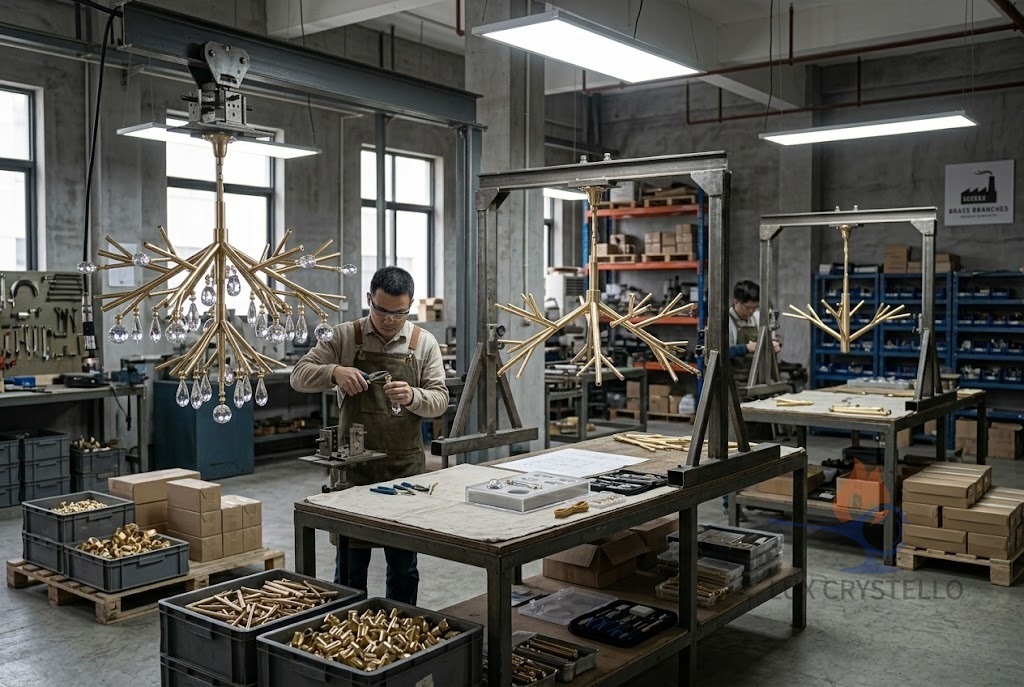
Lost Wax Copper Table Lamp Factory: Craftsmanship, Quality, and What B2B Buyers Should Know
When professional buyers look for lighting products that balance aesthetics, durability, and long-term value, the manufacturing process matters as much as the design. Choosing a lost wax copper table lamp factory is often about more than style—it’s about consistency, craftsmanship, and how well the product performs across different markets.
For importers, distributors, and project buyers, understanding how lost wax casting works and why it is used in copper table lamps can help avoid common sourcing mistakes and improve product positioning in competitive home décor and hospitality segments.
What a Lost Wax Copper Table Lamp Factory Really Means
A lost wax copper table lamp factory specializes in producing lamp bodies using the lost wax casting method, also known as investment casting. This process involves creating a wax model of the lamp component, coating it in a ceramic shell, melting the wax away, and then pouring molten copper into the mold. The result is a highly detailed metal form with smooth lines and precise proportions.
Compared to simpler casting or stamped metal processes, lost wax casting allows for more complex shapes and finer surface details. This is particularly important for decorative table lamps where curves, relief patterns, and balanced silhouettes define the product’s visual appeal. Many factories using this method also emphasize hand-finishing, which further enhances texture and consistency.
For B2B buyers, working with a lost wax copper table lamp factory usually means access to higher design flexibility and better control over product quality, especially for mid-range to premium collections.
Why Lost Wax Casting Matters for Copper Table Lamps in the B2B Market
From a sourcing perspective, lost wax casting offers several practical advantages. First, copper parts produced this way tend to have uniform thickness and structural stability, which is critical for table lamps that must meet safety standards and remain stable during everyday use.
Second, the surface finish achieved through lost wax casting is ideal for decorative treatments. Whether the final product requires a brushed, antique, or lightly polished look, the base casting provides a clean foundation. This is why many buyers associate lost wax casting table lamps with handmade copper lighting and higher perceived value.
Finally, for brands targeting hotels, villas, or boutique retail channels, consistency matters. A reliable copper table lamp manufacturer using lost wax techniques can reproduce the same design across multiple batches with minimal variation, making it easier to manage inventory and brand image.
Applications and Market Positioning of Lost Wax Copper Table Lamps
Lost wax copper table lamps are commonly positioned in markets where design storytelling and material authenticity are important. They are often used in living rooms, bedrooms, hotel suites, and upscale commercial interiors where decorative table lamps serve both functional and aesthetic roles.
In export markets, these lamps are frequently marketed as artisanal or heritage-inspired products, even when produced at scale. The combination of copper material and traditional metal casting appeals to buyers seeking alternatives to mass-produced steel or aluminum lighting.
For distributors, these products work well in curated collections that highlight craftsmanship, sustainability, or timeless design. They can also be paired with fabric, linen, or glass shades to adapt to different regional tastes without changing the core metal structure.
Common Challenges When Sourcing from a Copper Table Lamp Manufacturer
While lost wax casting offers clear advantages, buyers should still evaluate suppliers carefully. One common challenge is inconsistency in finishing. Even with good castings, poor polishing or uneven patina treatment can affect the final appearance.
Another issue is communication around customization. Some copper table lamp manufacturers offer design changes but may have limitations on mold adjustments or minimum order quantities. Clarifying these details early helps avoid delays during sampling and production.
Lead time is also a factor. Lost wax casting involves multiple steps, including mold preparation and hand-finishing, which can extend production cycles. Professional buyers should plan accordingly, especially for large orders or seasonal launches.
FAQ About Lost Wax Copper Table Lamp Factory
What is the difference between lost wax casting and other metal casting methods?
Lost wax casting allows for finer details and smoother surfaces compared to sand or die casting. It is especially suitable for decorative lamp designs with complex shapes.
How does copper quality affect lamp durability and finish?
High-purity copper improves structural strength and ensures more even surface treatment. Lower-quality copper may lead to surface defects or inconsistent color after finishing.
Are lost wax copper table lamps suitable for different international markets?
Yes. They are commonly adapted for EU, UK, and US markets, as long as wiring, sockets, and safety standards are handled correctly.
What are typical MOQ and customization options?
MOQ varies by factory and design complexity. Many suppliers offer customization in finishes, sizes, or minor design details once the mold is established.
What should buyers know about lead time, safety, and maintenance?
Lead times are generally longer than mass-produced lamps. Regular maintenance includes gentle cleaning and avoiding harsh chemicals that may damage copper finishes.
Choosing the Right Lost Wax Copper Table Lamp Factory
Selecting the right lost wax copper table lamp factory is not just about price. It involves evaluating craftsmanship, quality control, communication efficiency, and the factory’s ability to support long-term cooperation. For B2B buyers, a reliable partner can help maintain product consistency, support customization needs, and adapt to evolving market trends.
Before finalizing your next supplier, consider how manufacturing methods align with your brand positioning and customer expectations.