
Blogpost Keywords: brass table lamp fittings, lamp hardware brass, brass socket and harp
Brass table lamp fittings are the components that determine whether a lamp looks polished or amateur, and most buyers overlook them entirely. The socket, harp, base nipple, and switch mechanism may be invisible in the finished lamp, but they dictate the fixture’s durability, safety, and ease of use. Understanding what these fittings do and how to select quality versions will improve every lamp you build or repair.
Why Fittings Matter More Than You Think
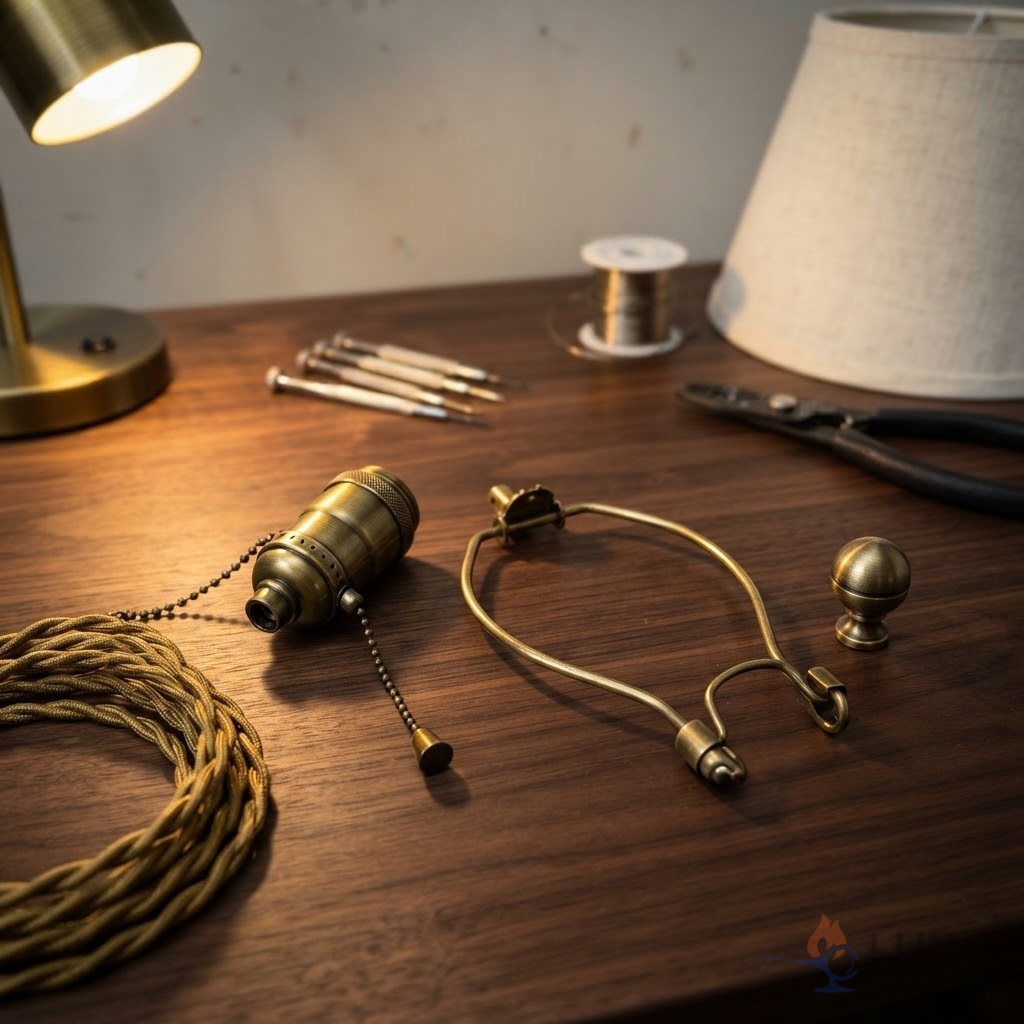
A brass socket and harp set should match in finish for a cohesive appearance. The brass table lamp fittings the difference between a lamp that lasts twenty years and one that fails in two often comes down to the fittings. Cheap brass-plated sockets corrode at the terminals, causing flickering or intermittent power. Thin harps bend under the weight of heavy shades, creating an unbalanced appearance. Solid brass fittings resist these problems and maintain their function across thousands of switch cycles.
The brass table lamp fittings in practice, the socket is the most critical component. It must conduct electricity safely, support the bulb’s weight, and survive repeated on-off cycles. A socket with poor contact points creates arcing, which damages the bulb and poses a fire risk. Investing in quality lamp hardware brass components is an investment in safety.
Essential Fittings for Table Lamps
| Fitting | Function | What to Look For |
| Socket | Holds bulb, connects to power | UL-listed, solid brass contacts |
| Harp | Supports shade above socket | Gauge thickness, finish match |
| Base Nipple | Connects socket to lamp body | Thread quality, length |
| Switch | Controls on/off or dimming | Click quality, dimmer compatibility |
The brass socket and harp are the most visible fittings in a finished lamp. The brass table lamp fittings the harp is the U-shaped wire that sits on either side of the socket and holds the shade. Brass harps come in different heights, and the height determines what shade sizes fit. A 6-inch harp works for small shades, while a 10-inch harp accommodates taller drum or empire shades. Matching the harp height to the shade is essential for proper proportions.
The lamp hardware brass category includes sockets, harps, nipples, and switches. The brass table lamp fittings base nipples are threaded brass tubes that connect the socket to the lamp body. They come in various lengths and thread sizes, and using the wrong one creates a loose or wobbly socket. Always verify the thread compatibility between the nipple, socket, and lamp body before assembling.
Solid Brass vs Brass-Plated Hardware
A quality brass socket and harp set lasts for thousands of switch cycles. The brass table lamp fittings solid brass fittings cost more but resist tarnishing, conduct electricity more reliably, and maintain their appearance longer. Generic lamp hardware typically uses brass-plated steel or zinc alloy, which is cheaper but less durable. The plating wears off at contact points, exposing the base metal to corrosion.
When shopping for lamp hardware brass, verify the thread compatibility before purchasing. For buyers building or repairing a lamp they intend to keep, solid brass is the practical choice. For temporary projects or budget-conscious builds, brass-plated fittings work adequately but should be inspected periodically for wear. The cost difference between solid and plated brass is typically 30 to 50 percent, which is modest relative to the total lamp cost.
How to Match Fittings to Your Lamp Design
The finish on your fittings should match or complement the lamp body. If the lamp has a polished brass body, polished brass fittings create a seamless look. If the body is brushed brass, using polished fittings creates a visible contrast that may look intentional or may look like a mistake.
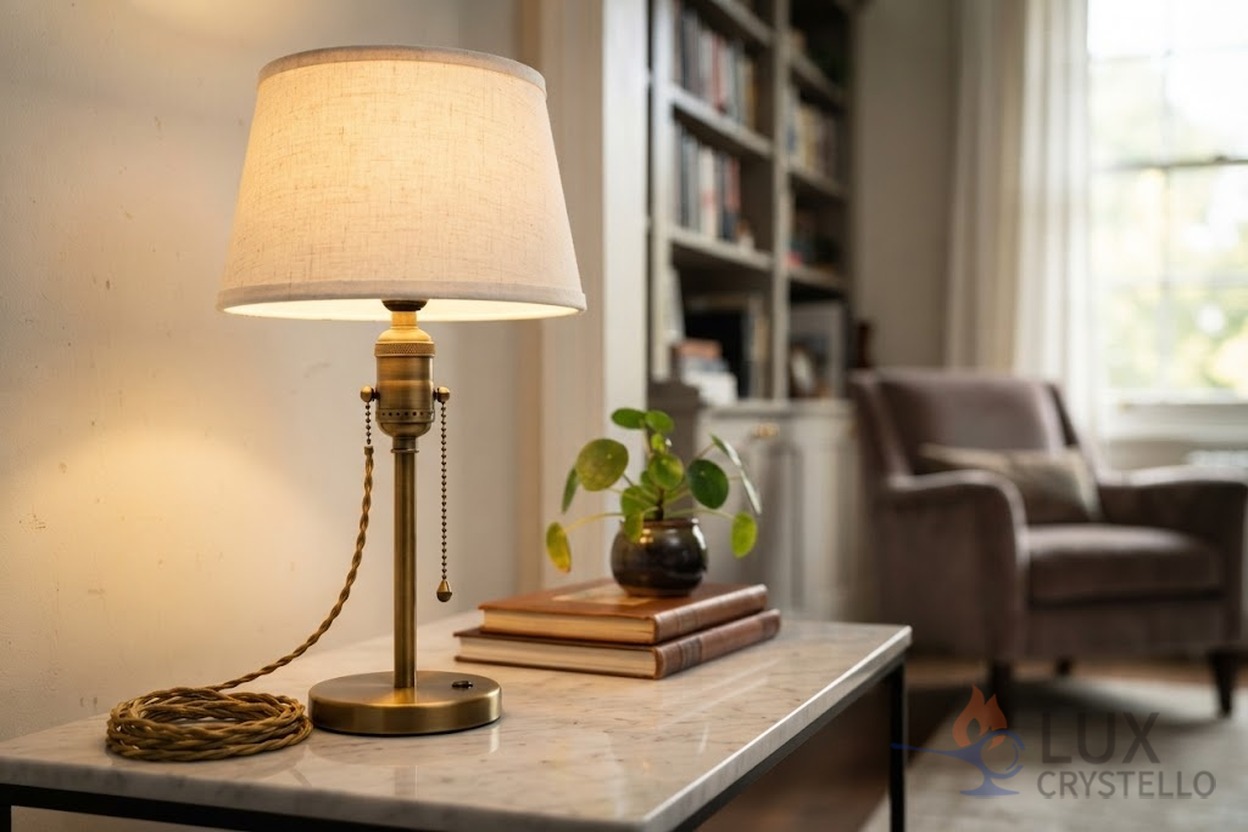
A practical consideration is how the fittings interact with the shade. A brass socket visible beneath a translucent shade becomes part of the design. A hidden socket inside an opaque shade matters less aesthetically but more functionally. For visible sockets, the finish quality directly affects the lamp’s perceived value.
Common Mistakes with Lamp Fittings
The most frequent error is mixing thread sizes. Brass fittings come in different thread standards, and a socket that fits one nipple may not fit another. Buying all fittings from the same manufacturer or supplier eliminates compatibility issues.
Another mistake is ignoring the switch quality. A cheap switch may feel fine initially but degrade after a few hundred uses. The click should feel firm and consistent, not mushy or loose. For dimmable lamps, verify the switch supports the dimmer type you plan to use — not all switches are compatible with all dimmer circuits.
FAQ
Can I replace just the socket on my existing lamp?
Yes, replacing a socket is one of the most common lamp repairs. Ensure the new socket’s thread size matches the existing base nipple. Turn off the power before working on any electrical connections, and verify the wiring with a multimeter after reassembly.
What is the difference between a standard and medium socket?
A standard socket fits candelabra-base bulbs (E12), while a medium socket fits standard-base bulbs (E26). Most table lamps use medium sockets, but smaller accent lamps may use standard. Always check what bulb type your lamp requires before purchasing a replacement socket.
Do brass harps come in different finishes?
Yes, brass harps are available in polished, brushed, and antique finishes. The finish should match the socket and other brass components for a cohesive look. Some manufacturers offer matching fitting sets that include the socket, harp, and finial in the same finish.
How do I know what size harp I need?
Measure from the base of the harp (where it sits on the socket) to the top of the shade’s fitter ring. The harp should extend approximately one inch above the shade’s fitter to allow the finial to secure properly. Common sizes range from 6 to 10 inches.
Are brass fittings safe for outdoor use?
Standard brass fittings are designed for indoor use. Outdoor applications require weatherproof sockets and sealed connections. If you are building an outdoor lamp, look for fittings specifically rated for damp or wet locations.
Conclusion
Brass table lamp fittings are the foundation of a well-built lamp. The quality of the socket, harp, and switch determines the lamp’s safety, longevity, and daily usability. Choose solid brass components, verify thread compatibility, and invest in quality switches — the small upfront cost pays dividends in years of reliable service.
Browse Our Lamp Fittings Collection
Looking for quality lamp hardware brass components? Our collection includes UL-listed sockets, matching harps, base nipples, and switches in polished, brushed, and antique finishes. Each component is designed for easy assembly and long-term durability. Find the fittings that match your next lamp project.