
Blogpost Keywords: metal light chandelier, industrial chandelier, metal ceiling light
A metal light chandelier does more than illuminate a room — it defines the room’s character. The raw material presence of exposed metal frameworks creates a focal point that fabric or glass shades cannot replicate. Whether the design leans industrial, farmhouse, or contemporary, understanding how these chandeliers are constructed and how they interact with light helps you choose one that feels intentional rather than decorative.
Why Metal Chandeliers Dominate Modern Interiors
A metal ceiling light in a flush-mount configuration works well in rooms with low ceilings. Metal chandeliers have surged in popularity because they bridge design styles that would otherwise conflict. A geometric metal frame works in a mid-century modern living room, an industrial loft, and a transitional dining space. The material’s versatility means it does not lock you into a single aesthetic — it adapts.
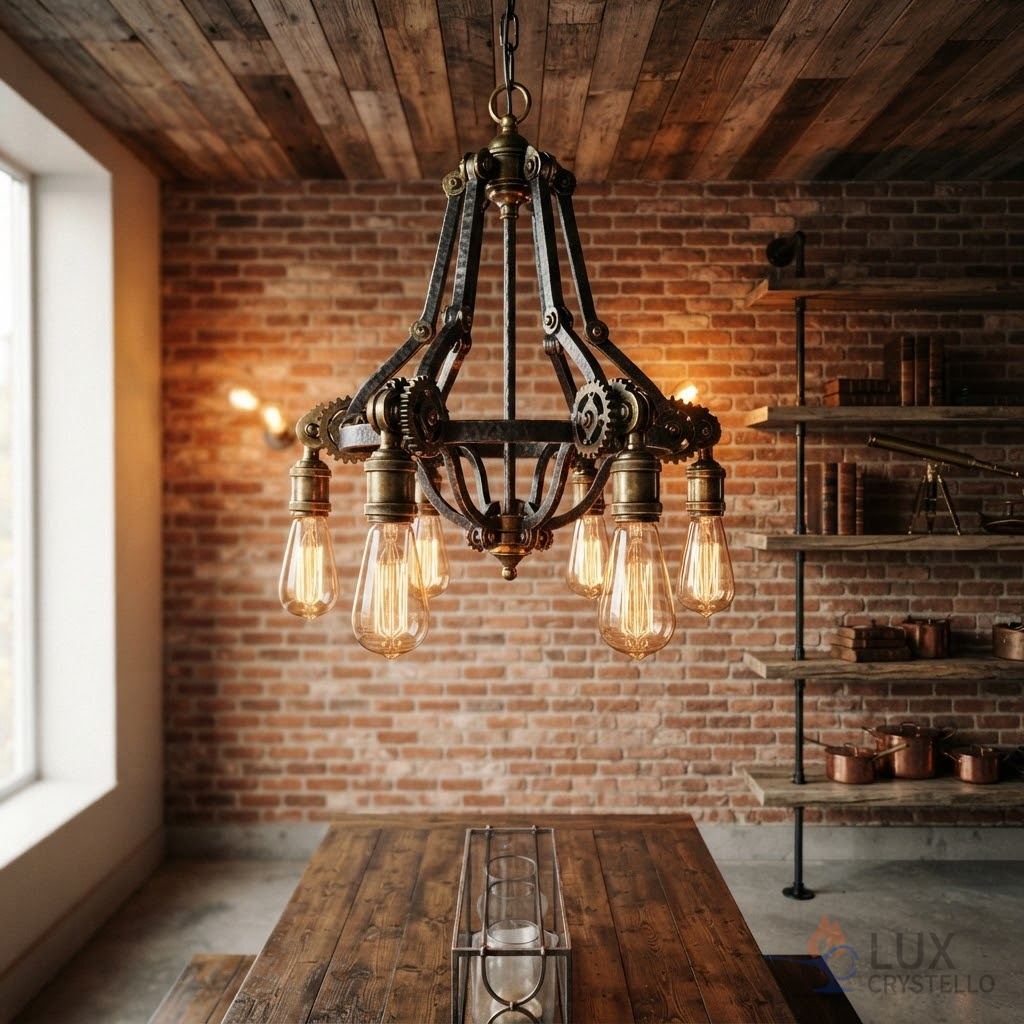
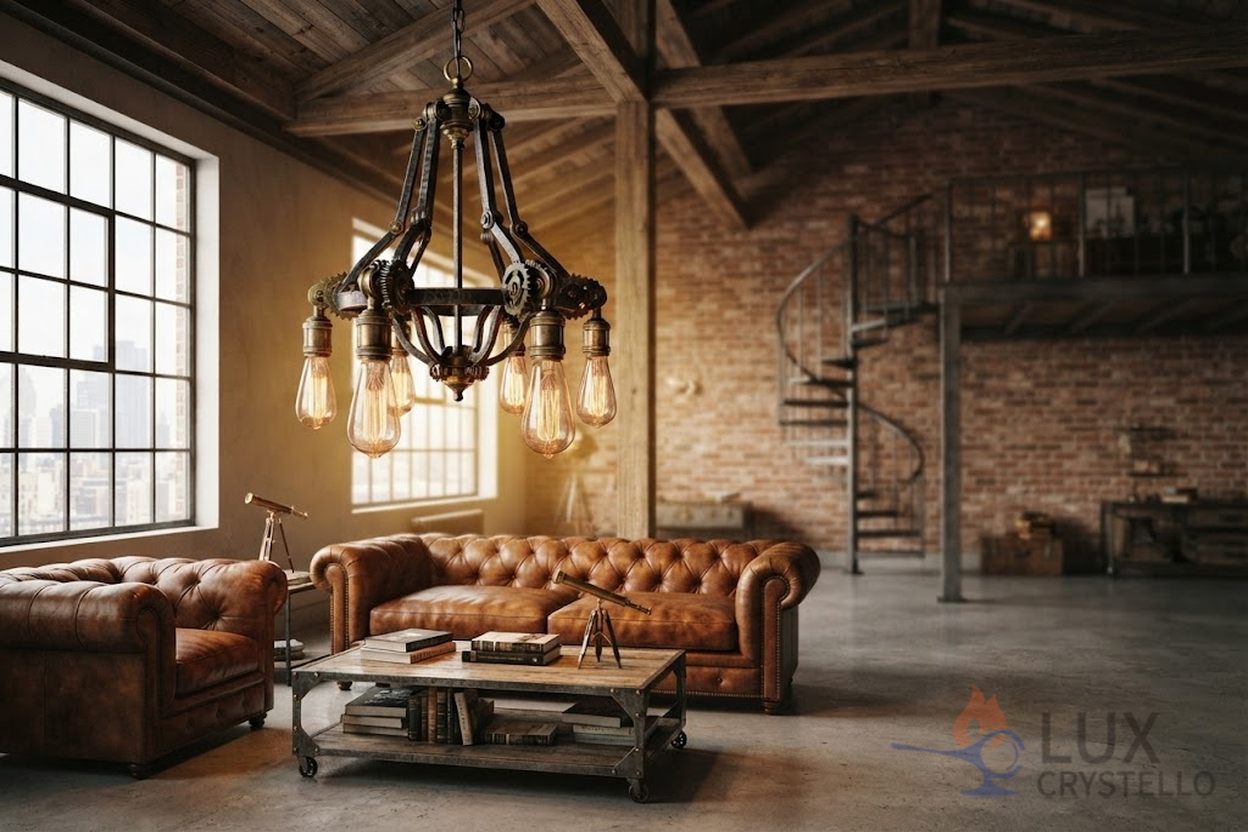
An industrial chandelier with exposed hardware creates a utilitarian aesthetic that works in lofts and modern kitchens. The other advantage is durability. Metal frames withstand the temperature fluctuations that can warp wood or crack glass, and they handle the vibrations of busy households better than fragile alternatives. A well-made metal light chandelier lasts decades without losing its structural integrity.
Metal Finishes and Their Visual Impact
| Finish | Tone | Best Style Match |
| Brushed Nickel | Cool, muted silver | Contemporary, minimalist |
| Oil-Rubbed Bronze | Dark, warm brown | Rustic, farmhouse |
| Matte Black | Neutral, dramatic | Industrial, modern |
| Polished Brass | Warm, golden | Traditional, Art Deco |
The metal ceiling light category includes pendants, chandeliers, and flush-mount fixtures. The finish on a metal chandelier changes how it reads in a room. Brushed nickel recedes into the background, letting the shape do the talking. Matte black makes a bold statement and pairs well with white or light-colored ceilings. Oil-rubbed bronze adds warmth without the brightness of brass.
The industrial chandelier style pairs well with exposed brick and concrete floors. A practical consideration is the room’s existing hardware. Matching the chandelier finish to cabinet pulls, door handles, or faucet fixtures creates visual cohesion. Mixing finishes works intentionally, but it requires a deliberate design strategy rather than a random selection.
Metal Light Chandelier vs Industrial Chandelier
This design principle applies equally to a metal ceiling light and a wall-mounted fixture. The terms overlap significantly but are not identical. A metal light chandelier is a broad category that includes any chandelier where metal is the dominant material. An industrial chandelier is a specific style within that category, characterized by exposed hardware, cage-like structures, and raw or unfinished metal surfaces.
For buyers, the distinction matters when shopping. Searching specifically for an industrial chandelier will return designs with a grittier, more utilitarian aesthetic. A metal light chandelier search includes those designs plus more refined options with polished or brushed finishes. Knowing which term describes your preference saves time during the selection process.
Room-Specific Guidance
Dining rooms benefit from chandeliers positioned 30 to 36 inches above the table surface. The metal frame should not obstruct sightlines across the table, so open or linear designs work better than dense, multi-tiered models. Living rooms can handle larger, more dramatic pieces, especially in spaces with high ceilings.
Bedrooms are an underused location for this style. A small, understated metal light chandelier above the bed replaces the need for multiple table lamps and creates a cleaner nightstand surface. The key is choosing a design with dimmable capability, as bedroom lighting needs vary significantly between reading and winding down.
What Sellers Do Not Tell You
The weight of a metal chandelier is a factor that surprises many buyers. Large metal fixtures can weigh 30 pounds or more, requiring reinforced ceiling mounting. Standard ceiling boxes support only 50 pounds, and a heavy chandelier near that limit may need additional bracing. Always verify the fixture’s weight and your ceiling’s capacity before purchasing.
Another hidden factor is assembly complexity. Many metal light chandeliers arrive in pieces and require 30 to 60 minutes of assembly. Multi-arm designs with individual light sockets can take longer. Planning for installation time — and potentially hiring an electrician — prevents frustration on delivery day.
FAQ
How do I choose the right size for my dining room?
Measure the width of your dining table and add 12 inches to determine the ideal chandelier diameter. For a 48-inch table, a 60-inch chandelier provides balanced proportions. The chandelier should hang 30 to 36 inches above the table surface.
Can metal light chandeliers work with a dimmer switch?
Most support dimmable bulbs, but the dimmer switch itself must be rated for the chandelier’s total wattage. LED dimmers and incandescent dimmers are not always interchangeable, so verify compatibility with the specific bulb type you plan to use.
What maintenance does this style require?
Dust the frame with a microfiber cloth every few weeks. For metal finishes that tarnish, such as brass, a gentle metal polish restores shine. Painted or powder-coated finishes need only occasional wiping. Avoid harsh chemicals that can strip protective coatings.
Are metal chandeliers suitable for low ceilings?
Yes, flush-mount or semi-flush designs sit close to the ceiling and work well in rooms with eight-foot or lower ceilings. Pendant-style designs that hang down more than 12 inches may feel oppressive in tight spaces.
How many bulbs should a metal chandelier have?
A general rule is one bulb per 200 to 300 watts equivalent for ambient lighting. A dining room chandelier typically uses four to six bulbs, while a larger living room fixture may need eight or more. Always distribute bulbs evenly to avoid uneven light output.
Conclusion
A metal light chandelier is one of the few fixtures that can anchor a room’s entire design direction. The material’s durability, combined with the range of available finishes, means you can find a chandelier that fits both your aesthetic preferences and your practical needs. Take the time to match the scale, finish, and bulb type to your space, and the chandelier will become the defining element of the room.
Browse Our Metal Chandelier Collection
If you are ready to make a statement, explore our curated selection of industrial, modern, and transitional designs. Each chandelier is built for lasting durability and designed to complement a range of interior styles. Find the piece that transforms your room from ordinary to unforgettable.