
Blogpost Keywords:Lost Wax Brass Ornament Production,What B2B Buyers Should Know, lost wax casting brass, brass ornament manufacturing
Lost wax brass ornament production is often associated with craftsmanship, detail, and a premium feel—but for B2B buyers, it is much more than an artistic technique. It directly affects product consistency, sourcing reliability, customization feasibility, and long-term value in commercial projects. Whether you are sourcing decorative components for lighting, furniture, or home décor collections, understanding how this process works can help you make more informed purchasing decisions.
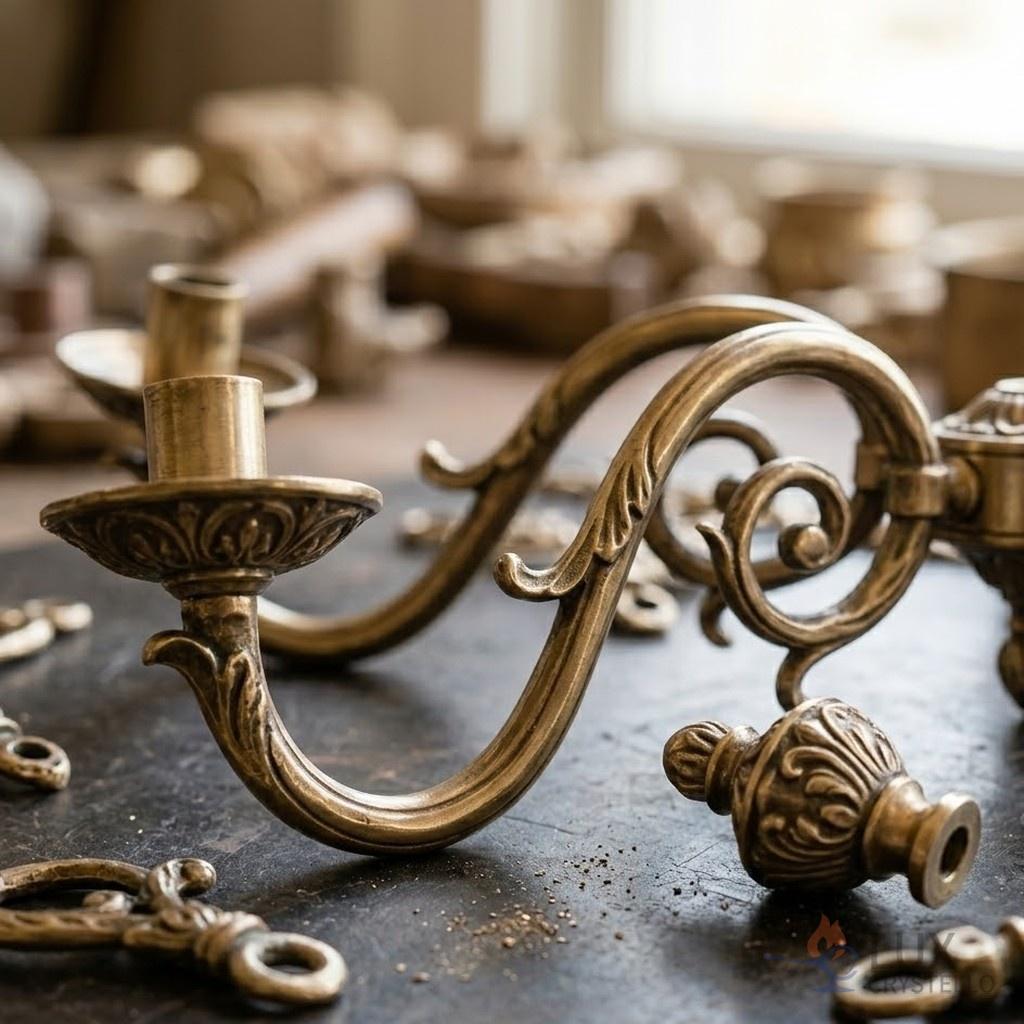
This article breaks down lost wax brass ornament production from a practical B2B perspective, focusing on what truly matters when selecting suppliers and planning bulk orders.
Lost Wax Brass Ornament Production Explained for B2B Buyers
Lost wax brass ornament production—also known as the lost wax casting process—is a method where a wax model is created first, then coated with a ceramic shell. Once the wax is melted away, molten brass is poured into the cavity to form the final ornament. This process allows for complex shapes, fine details, and smooth surface transitions that are difficult to achieve with other casting methods.
For B2B buyers, the key advantage lies in design accuracy and repeatability. When molds are properly managed, lost wax casting brass can deliver consistent results across medium to large batches. This is especially valuable for brands or distributors that need uniform decorative brass components across multiple product lines or projects.
Why Lost Wax Casting Brass Matters for Quality and Design
Compared with sand casting or die casting, lost wax casting brass excels in detail control. Fine textures, thin walls, and intricate curves can be reproduced with minimal post-processing. This directly impacts perceived quality—an important factor in mid-to-high-end lighting and home décor markets.
From a design standpoint, this method supports greater flexibility. Many buyers use it to develop custom brass ornaments that align with specific brand aesthetics, whether that’s classic French-inspired detailing or modern sculptural forms. For manufacturers, fewer visible seams and reduced machining also help maintain structural integrity, which is crucial for functional decorative parts used in lighting fixtures.
Applications of Brass Ornament Manufacturing in Lighting and Home Décor
In brass ornament manufacturing, lost wax casting is widely used for decorative elements such as lamp arms, bases, connectors, finials, and accent details. These components are common in chandeliers, wall lamps, table lamps, and even furniture hardware where visual impact matters.
Beyond lighting, handcrafted brass decor produced through this process is also used in mirrors, wall art, and lifestyle accessories. For B2B buyers serving hospitality, residential, or retail projects, the process supports both small-batch customization and scalable production—provided the supplier has stable process control and finishing capabilities.
Common Challenges and Misunderstandings in Brass Ornament Manufacturing
One common misconception is that lost wax brass ornament production is always slow or unsuitable for bulk orders. In reality, lead time depends more on mold preparation, production planning, and finishing capacity than the casting method itself. Experienced suppliers can manage stable timelines even for repeat orders.
Another challenge lies in finishing consistency. While the casting itself may be precise, surface treatments such as polishing, plating, or antiquing require clear standards and communication. For B2B buyers, setting expectations early—especially regarding color tolerance and texture variation—is critical to avoiding disputes during large-scale procurement.
FAQ About Lost Wax Brass Ornament Production
What is the difference between lost wax casting brass and other brass casting methods?
Lost wax casting allows for finer details and more complex shapes than sand casting, with fewer visible imperfections. It is especially suitable for decorative and design-driven components.
How consistent is quality in large-scale brass ornament manufacturing?
Consistency depends on mold control, alloy stability, and finishing processes. With experienced manufacturers, quality can remain stable across multiple batches.
What customization options are typically available for B2B buyers?
Most suppliers support custom molds, size adjustments, surface finishes, and sometimes alloy variations, depending on order volume and project scope.
What should buyers know about MOQ, lead time, and bulk orders?
MOQ often reflects mold and setup costs. Lead times vary based on complexity and finishing requirements, so early planning is essential for bulk orders.
How should brass ornaments be handled and maintained for long-term use?
Proper packaging during transport, controlled humidity storage, and suitable surface treatments help reduce oxidation and maintain appearance over time.
Final Thoughts on Lost Wax Brass Ornament Production
For professional buyers, Lost Wax Brass Ornament Production: What B2B Buyers Should Know is not just about understanding a technique—it’s about aligning craftsmanship with commercial reality. When evaluated correctly, this process offers a strong balance between design freedom, perceived quality, and scalable manufacturing.
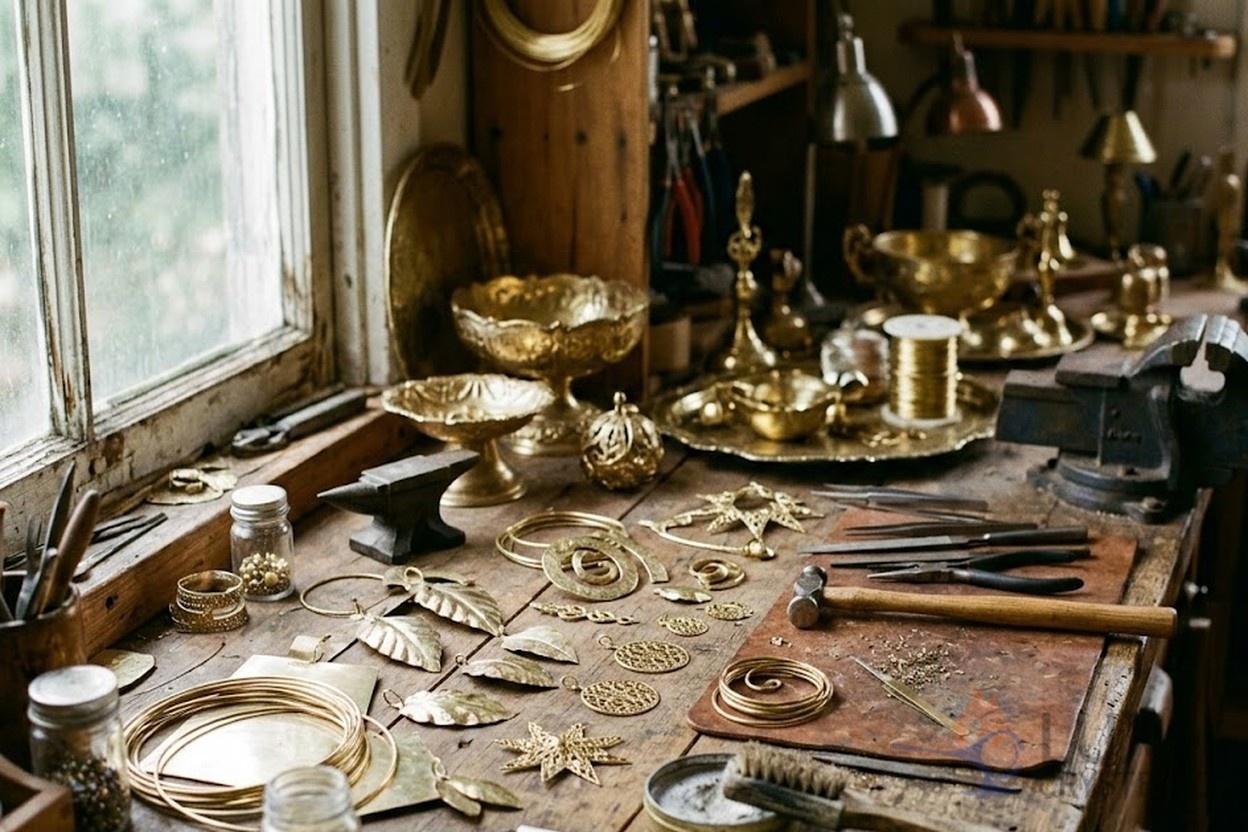
Choosing the right production approach ultimately comes down to how well it supports your market positioning, product lifespan expectations, and supply chain strategy. What matters most to you when selecting lost wax brass ornament production for your next collection or project?
A Practical Next Step for B2B Buyers
If you are considering new suppliers or expanding your use of lost wax brass ornament production, it can be helpful to review sample consistency, finishing standards, and communication practices before committing to large orders. Clear technical discussions early on often lead to smoother collaboration and better long-term results.